Budget Categories: How Many to Use and What to Call Them
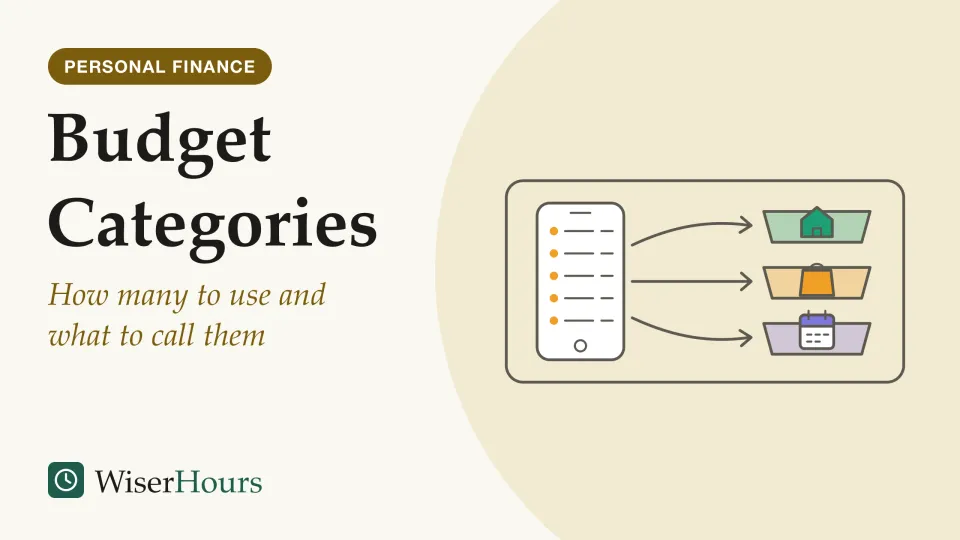
Budget categories that hold up: a 9-line starter set in 3 groups, why fewer lines may be easier to keep, when to split one, and names that sort spending.
Budget methods, saving strategies and building an emergency fund.
Budget categories that hold up: a 9-line starter set in 3 groups, why fewer lines may be easier to keep, when to split one, and names that sort spending.
How to track spending in 5 steps, from government money guides and from research linking regular progress checks to reaching goals.
Needs vs wants for grey areas like a car, phone, gym or childcare: 4 honest tests drawn from consumer finance guides in Canada, the US, the UK and Australia.
Gross vs net income: gross is pay before deductions, net is take-home pay. Why the US CFPB builds budgets and 50/30/20 on net, and when gross counts.
How to make a budget in 6 steps from US, Canadian and Australian government guides, plus what 2022 research shows about why spending estimates run low.
How to save money on groceries: 7 moves ranked by effort, from checking the fridge to unit prices, and when coupons and bulk buys backfire.
Zero-based budgeting gives every unit of pay a job: 5 steps, a worked month in any currency, and what to do when a category runs dry. Evidence is thin.
Cash stuffing puts spending money in labelled envelopes. A 2024 review of 71 papers finds people spend only slightly less with cash, and the gap is shrinking.
Sinking funds set money aside each month for bills you can see coming. How they differ from an emergency fund, and a 4-step setup with a worked example.
In a 2025 Fed survey, 58% of self-employed US adults said their income varied month to month. How to budget around a lean month, a buffer and tax.
An emergency fund keeps a shock from becoming debt. Why 3 to 6 months is a rule of thumb, a smaller first target, and where the cash is protected.