Loss Aversion: Do Losses Really Loom Larger Than Gains?
Loss aversion makes a loss sting more than an equal gain pleases. Evidence since 1979 says it is real on average, but weak or absent when stakes are small.
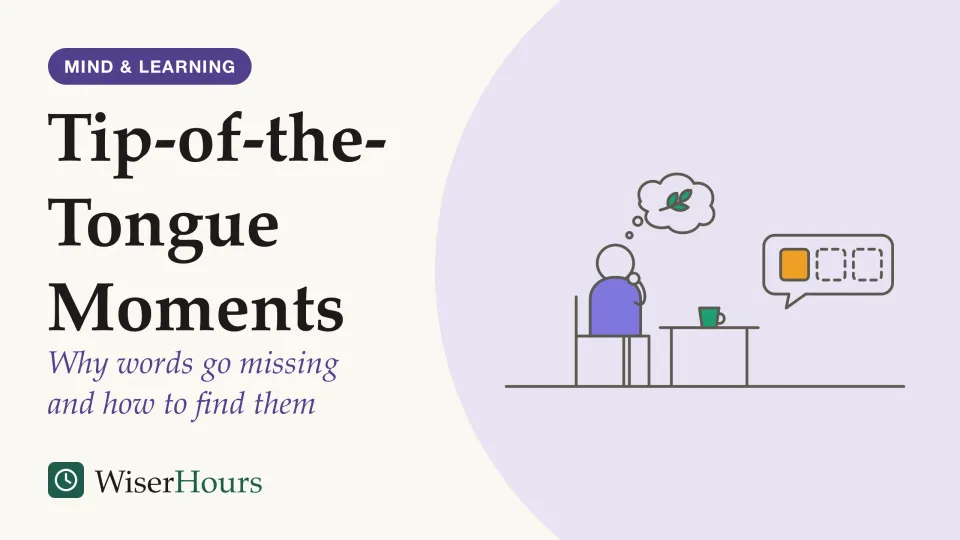
Most adults get a word stuck on the tip of the tongue about once a week, more often with age. Why words hide, 4 ways to find them, when to get it checked.
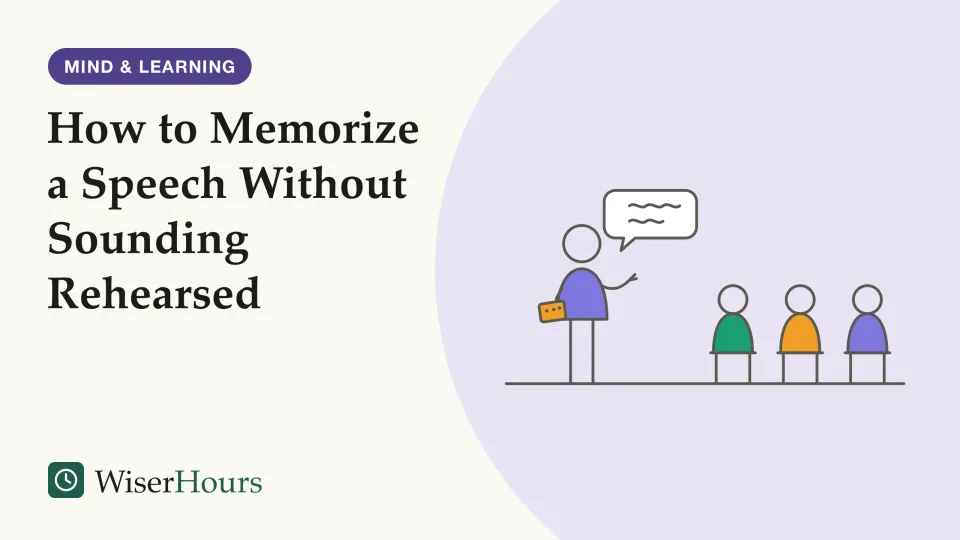
How to memorize a speech: learn the opening and close word for word, the middle as 3 to 5 points, and recite from memory on separate days instead of rereading.
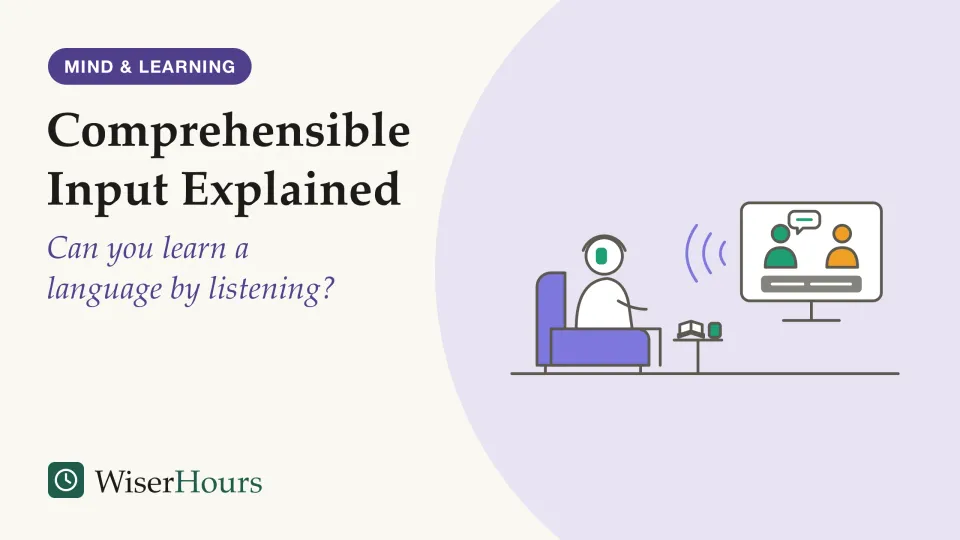
Comprehensible input, Krashen's 1982 idea, builds vocabulary and listening skill, but speaking with feedback adds what input alone rarely gives.
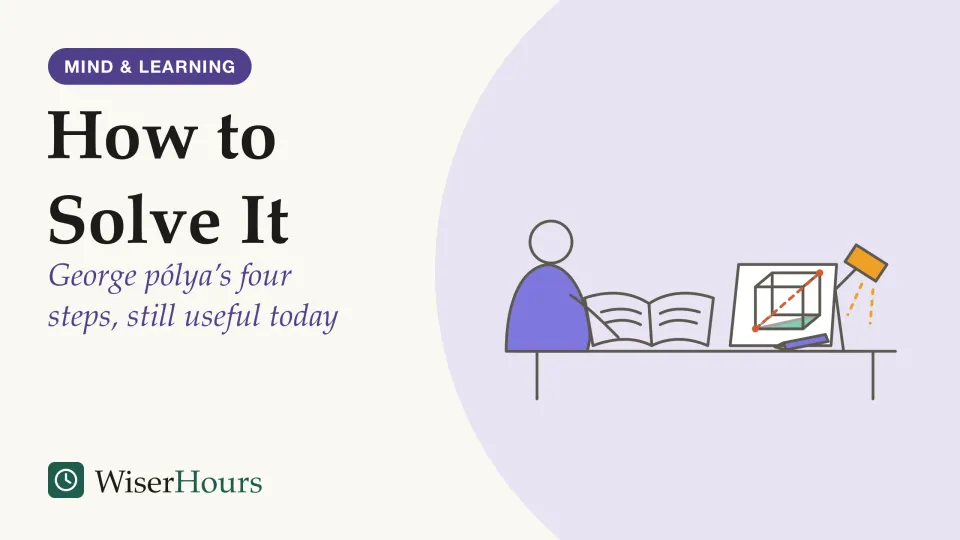
Pólya's How to Solve It in 4 steps: understand, plan, carry out, look back. The key questions, two worked examples and what later research adds.
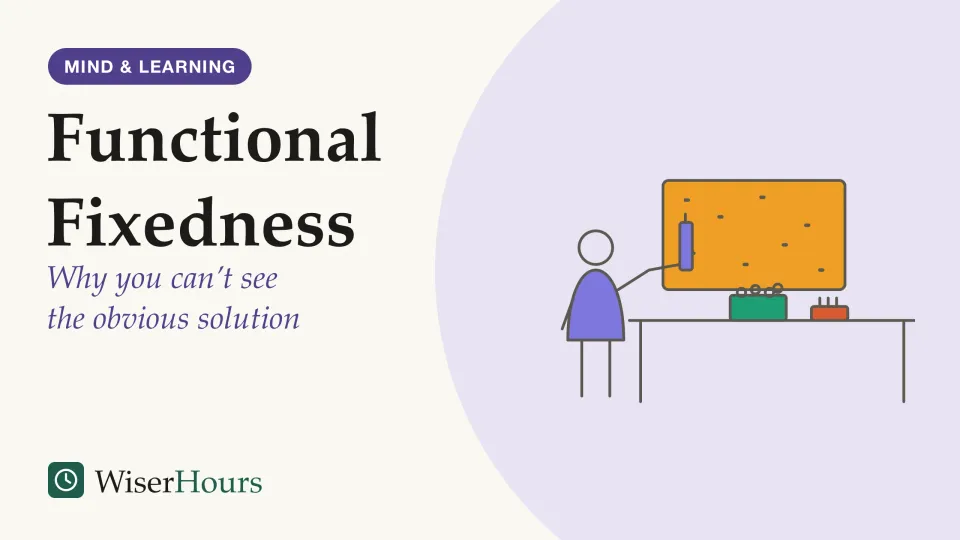
Functional fixedness explained: Duncker's candle problem step by step, 4 classic follow-up studies, everyday examples and ways to loosen it.
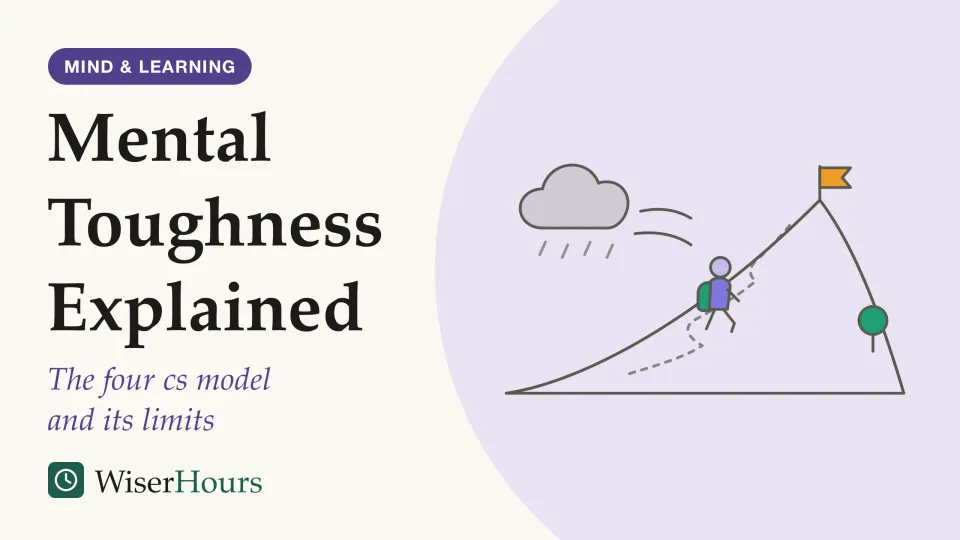
The 4 Cs of mental toughness are control, commitment, challenge and confidence. Where the model came from, how it is measured and what critics found.
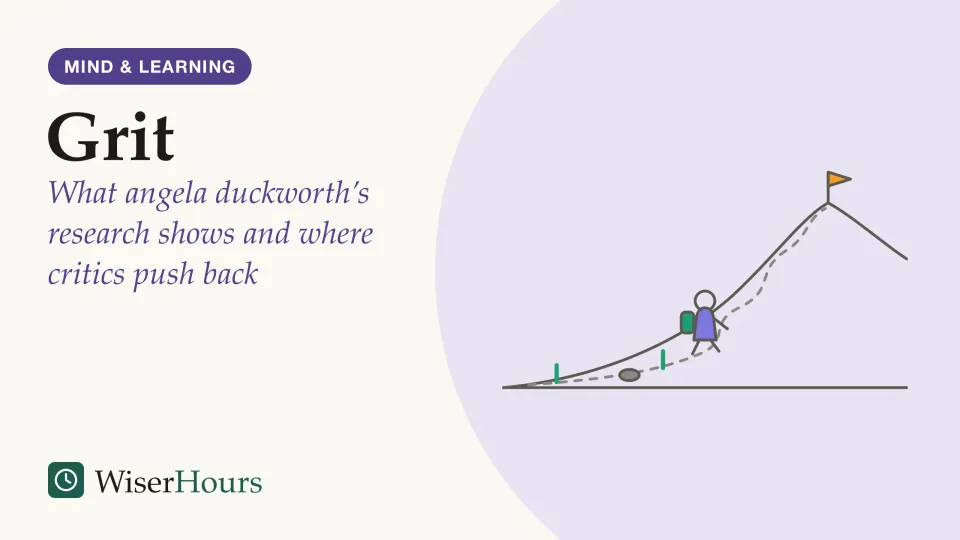
Angela Duckworth's grit is passion and perseverance for long-term goals. What her studies found, and why a 2017 review judged the effect modest.
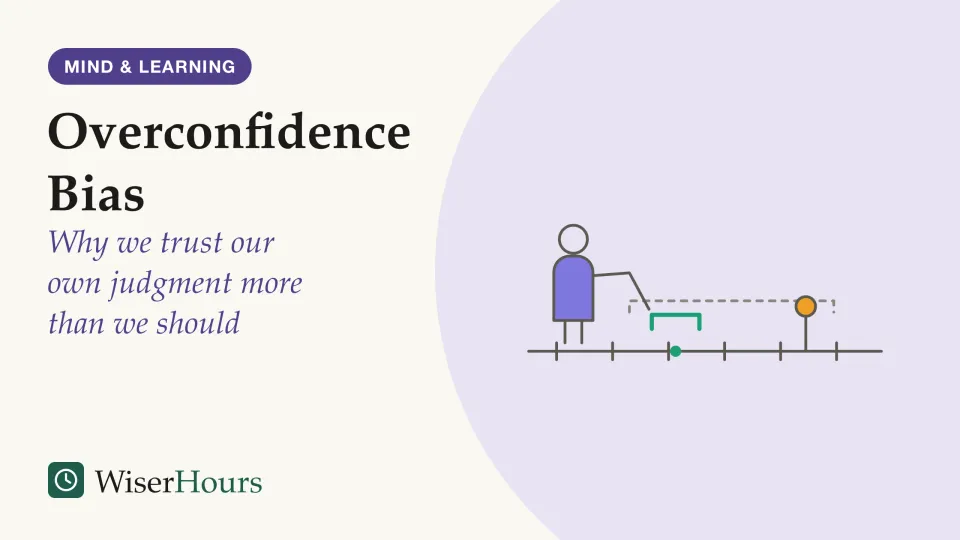
Overconfidence bias has 3 forms. In studies reviewed in 2008, ranges people were 90% sure of held the answer under half the time. What helps.
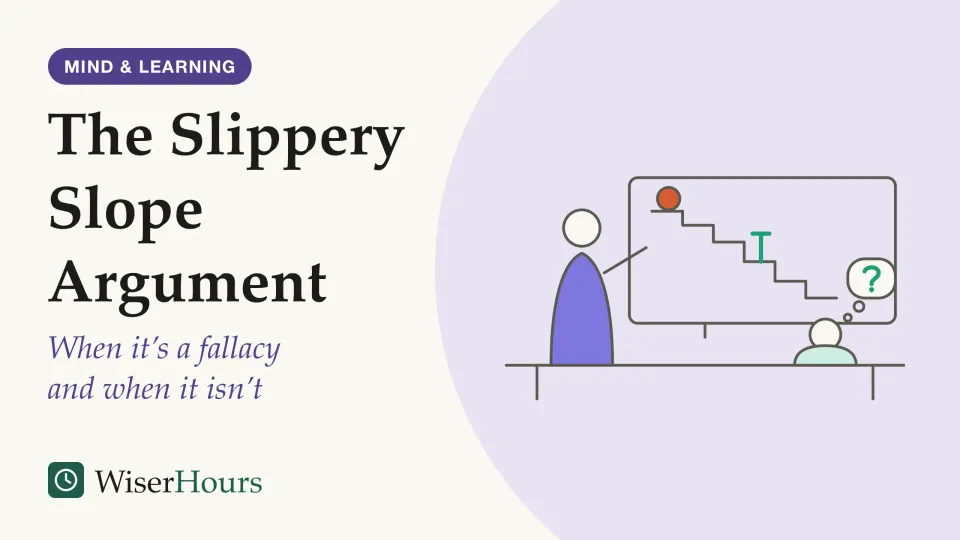
The slippery slope fallacy explained: 3 kinds of slope argument, everyday and work examples, and 3 questions that separate a weak chain from a fair warning.
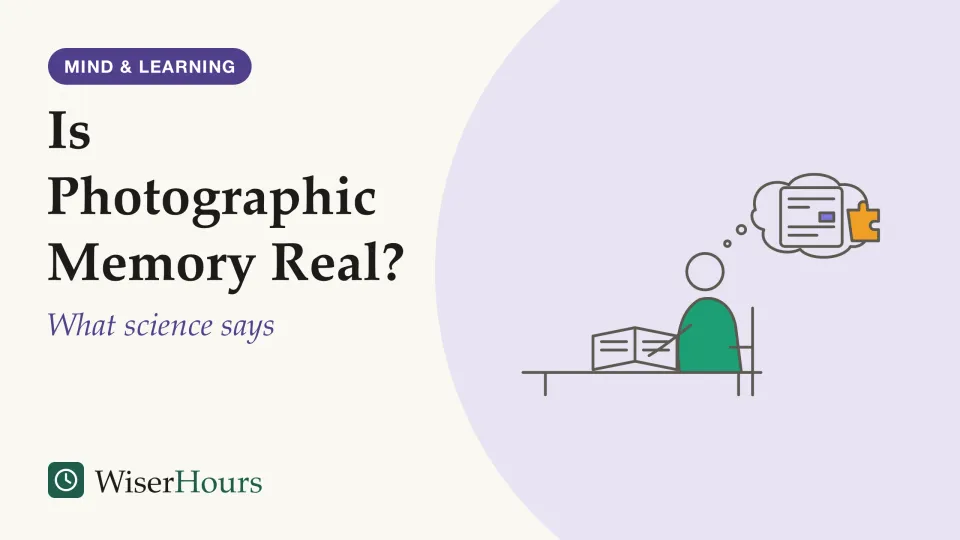
Is photographic memory real? No adult has passed repeated tests. Eidetic images appear in an estimated 2 to 10% of children; trained and rare memories are real.
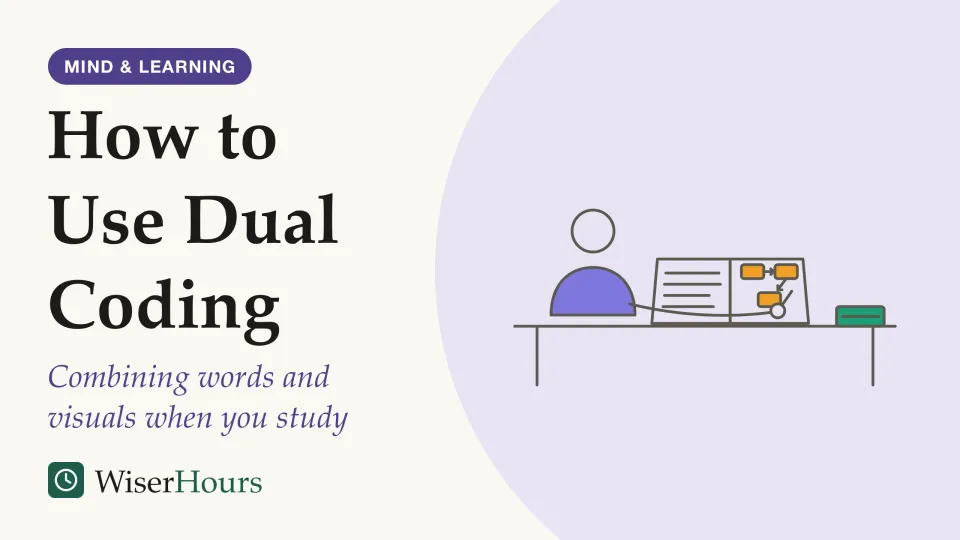
Dual coding pairs words with a visual of the same idea, giving a memory two routes back. 5 steps to use it when you study, and when pictures backfire.
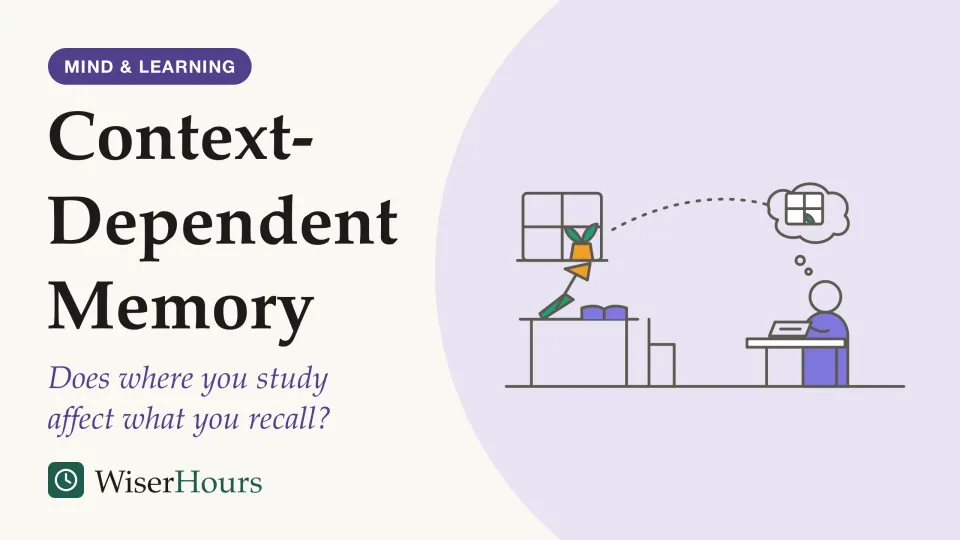
Context dependent memory is real but small: a 2001 meta-analysis of 93 results found a modest recall edge where you learned, and ways to work around it.
Get curious, keep learning
Evidence-based study techniques and how to pick up new skills faster.
Understand how ideas stay
How memory works, what helps cognitive performance and what is just hype.
Grow through the challenge
Growth mindset, self-discipline, confidence and bouncing back from setbacks.
Weigh your options
Mental models, cognitive biases and better ways to decide.
Make room for new ideas
Generating ideas, solving hard problems and getting past creative blocks.
Find your next big idea
The key ideas from the best books on productivity, money, work and life, and whether they hold up.