Informational Interviews: How to Ask for One and What to Ask
How to ask for an informational interview, with 3 request templates, 10 questions grouped by purpose, and how to run 20-30 minutes and follow up.
Table Topics practice: how a one-to-two-minute turn is timed, 30 original questions sorted by type, and 4 timed drills for practicing alone or in a club.
Email subject lines for work, not marketing: 5 rules, before-and-after examples for 6 common emails, and what a UK field experiment found about deadlines.
Answer 'why do you want to work here?' in 3 parts: something specific about the employer, how it fits your skills, what you'd add. With sample answers.
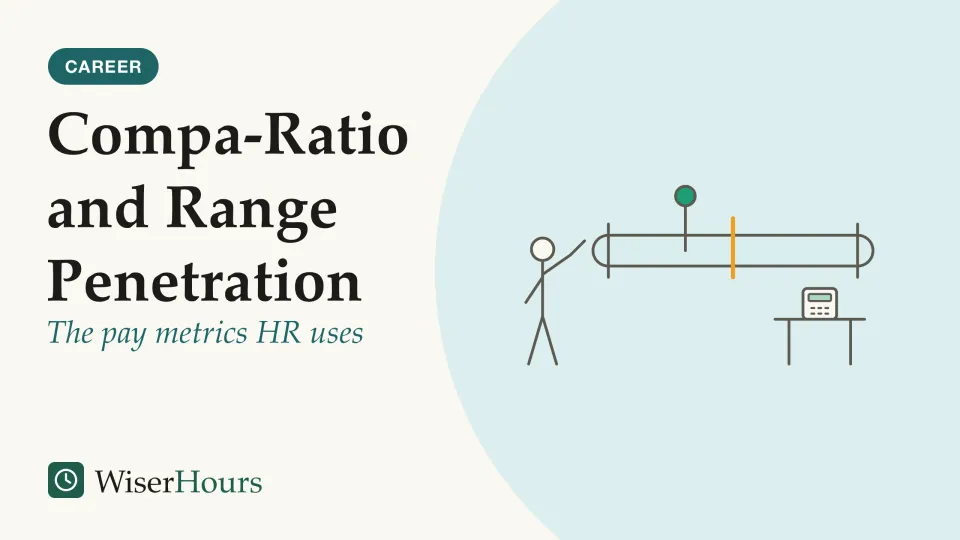
A compa ratio of 1.0 means pay at the midpoint of its range. How compa ratio and range penetration are worked out, why they disagree and how they shape raises.
Work friendships go with engagement and staying, yet a study of 168 insurance staff tied more work friends to exhaustion too. What research shows.
How to become a data analyst in 8 steps: spreadsheets, SQL, a BI tool, statistics, then Python or R, plus projects drawn from the work you already do.
A career change at 40 is not too late: OECD retirement ages leave about 25 working years. What changes with age, money and hiring, and a plan to test first.
The Culture Map's 8 scales, from feedback to scheduling, why relative position matters, what the research behind it shows, and a team mapping exercise.
Impromptu speaking without rambling: 6 frameworks matched to real moments, a short spoken example of each, ways to buy time and a weekly practice drill.
Canva for presentations: what it does well, where it falls short (offline, data, PowerPoint export), when to use it, and 7 steps to present without surprises.
Job references explained: who to ask, a script for asking, 9 sample questions from a US guide, and what former employers may say in the UK, US and Germany.
How long should a resume be? One page early in a career, 2 once relevant experience fills them; academic, medical and some senior roles run longer.
Shape your next step
Getting promoted, negotiating pay and building a career deliberately.
Find your next opportunity
Resumes, interviews, LinkedIn profiles and landing the job.
Find your voice
Presenting with confidence, telling stories and designing clear slides.
Connect with understanding
Working well with colleagues, managers and difficult people.
Build meaningful connections
Building relationships and a professional reputation, online and off.
Explore a new direction
Changing direction, reskilling and staying employable as work changes.
Work well from anywhere
Doing great work from anywhere and making hybrid arrangements succeed.
Ask for a better deal
Negotiating everyday deals, work requests and business terms with less stress and better results.