Unlimited PTO From the Employee's Side: How to Use It Without Penalty
Unlimited PTO has no fixed allowance, so you set the number. How it works, payout rules by country, and 5 steps to take enough leave without penalty.
Hustle culture glorifies nonstop work. Its roots, from Weber to grindset memes, and what research on 55-hour weeks and workaholism says about the cost.
A one line a day journal takes a minute: 1 sentence per date for 5 years. How the format works, what to write on busy days and what to do after a gap.
Vitamin B12 and energy: B12 ends tiredness caused by a deficiency but adds none at normal levels. Who is at risk, the signs, and whether shots are worth it.
Where does energy come from? Sunlight stored in food, which your cells burn with oxygen to make ATP. The 3 energy systems, and why you can still feel tired.
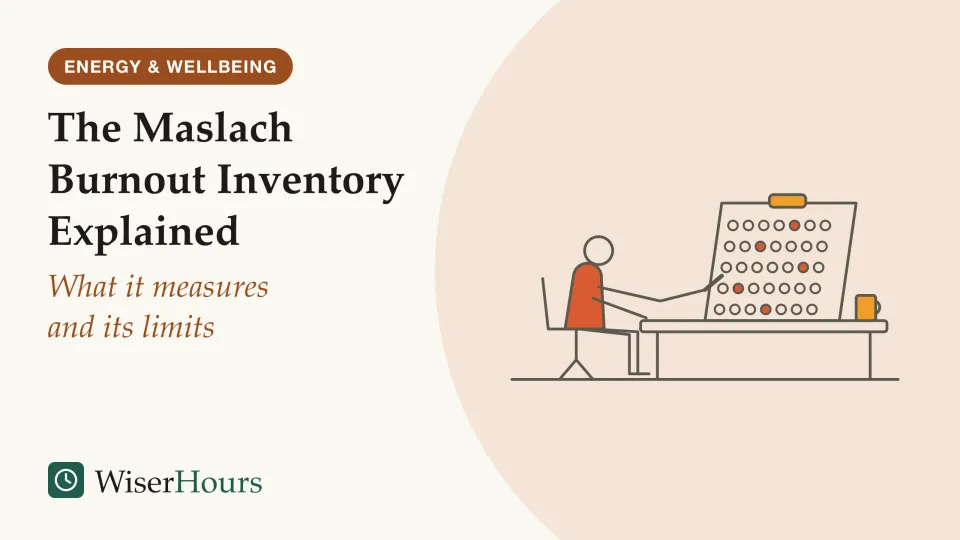
The Maslach Burnout Inventory scores 3 parts of burnout separately. How scoring works, which of 5 versions fits, and why no score is a diagnosis.
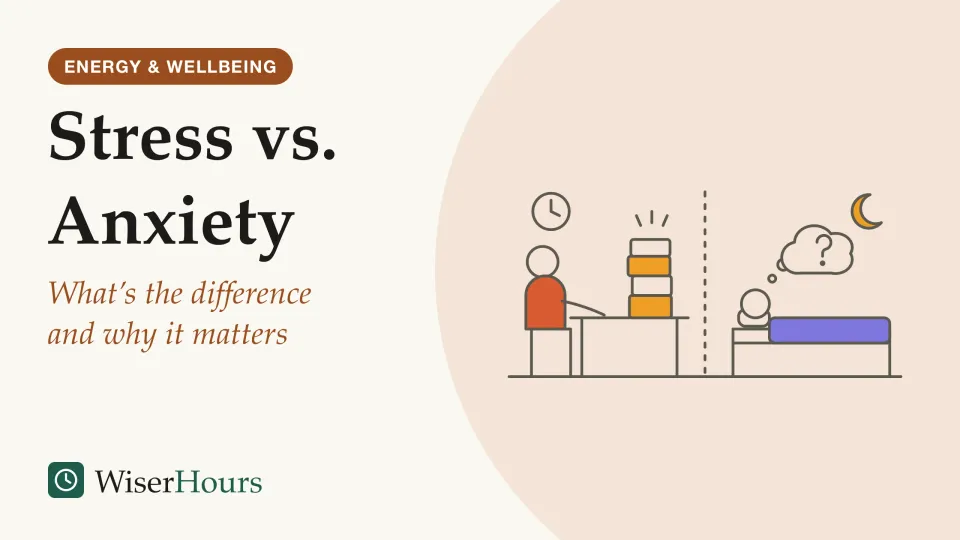
Stress vs anxiety: stress follows a cause and eases when it ends; anxiety can last with no threat. When worry lasting 6 months or more may be a disorder.
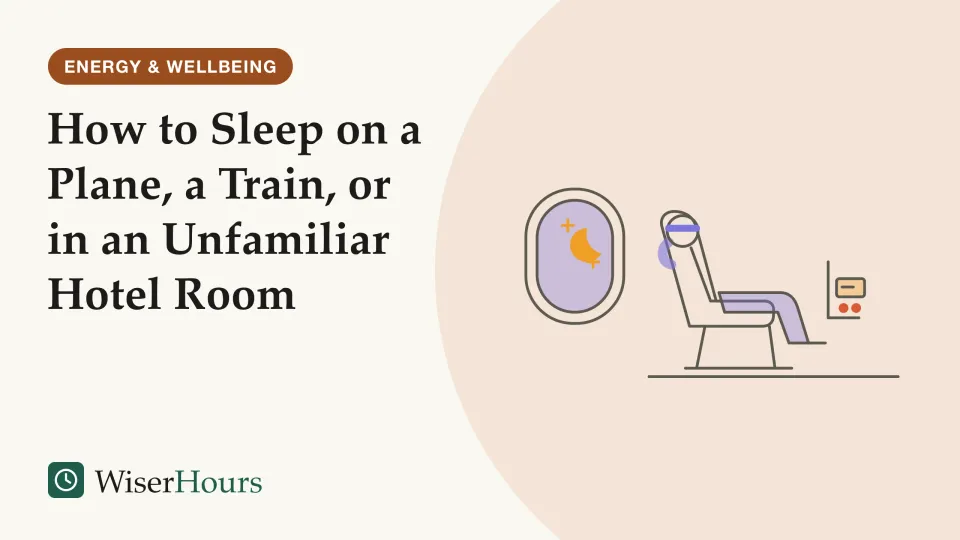
How to sleep on a plane, train or hotel: 6 steps on timing, light, noise, seats and alcohol, plus why long seated trips raise clot risk and what to do.
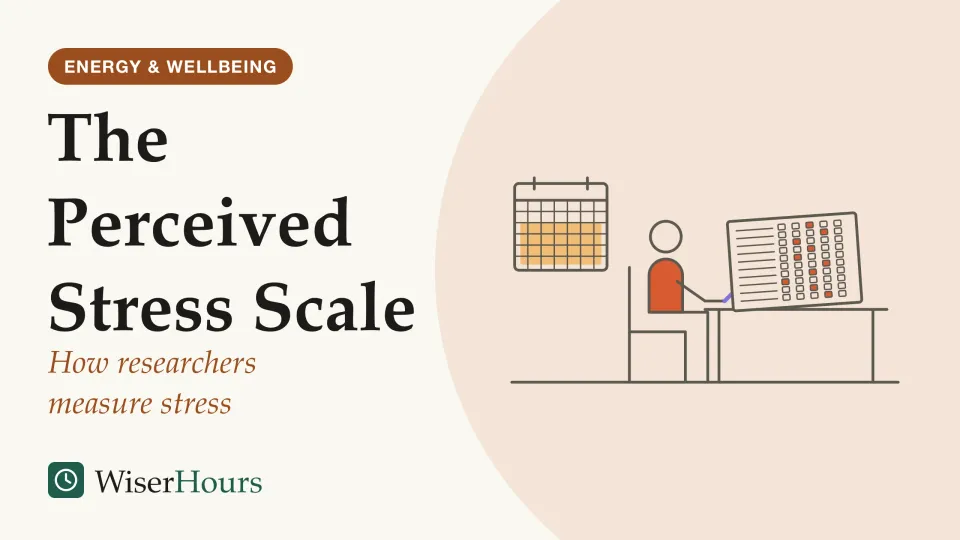
The perceived stress scale explained: what its 10 questions ask, how the 0-40 score works, what typical scores look like, and why it has no official cut-offs.
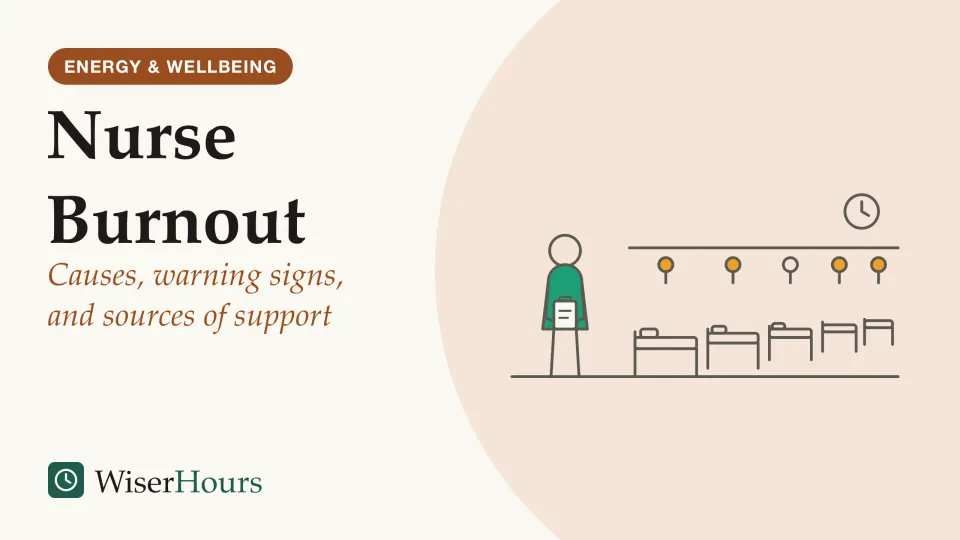
Nurse burnout tracks heavy workloads, low staffing and long shifts, a review of 91 studies found. The warning signs, what helps, and support by country.
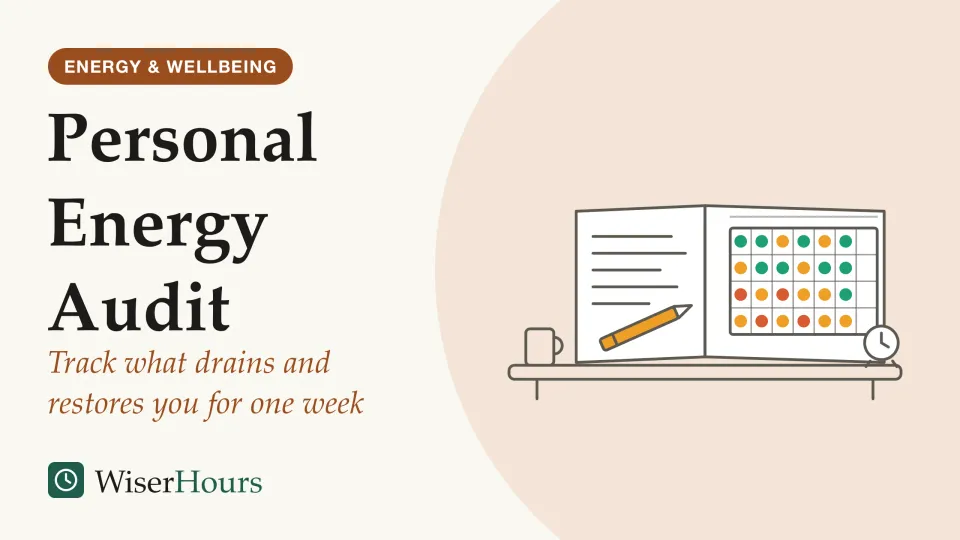
A personal energy audit: rate your energy 3 or 4 times a day for 7 days, note what you were doing, then sort drains from restorers. With a log and an example.
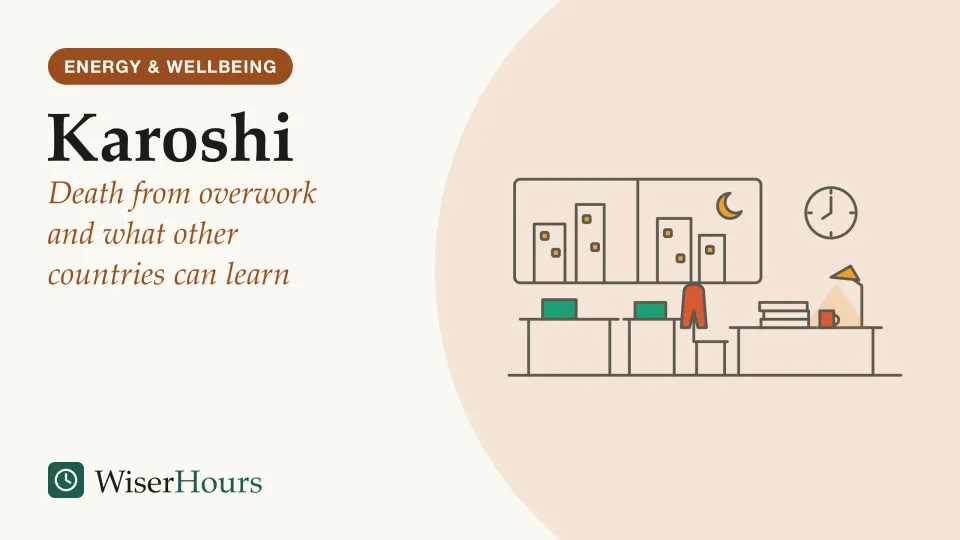
Karoshi is Japan's word for death from overwork. How Japan counts it, why its mental-disorder cases tripled after 2010, and what other countries can learn.
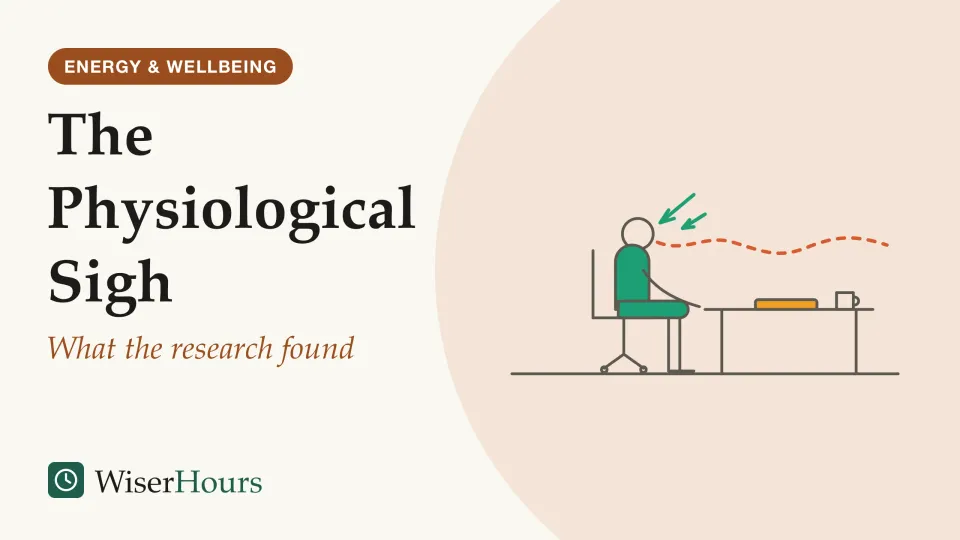
The physiological sigh is two breaths in and one long breath out. Done 5 minutes a day it lifted mood in one trial; the one-sigh quick fix is untested.
Make time to recharge
Sleeping better, resting properly and why recovery is a productivity strategy.
Find a little breathing room
Understanding stress and practical, evidence-based ways to manage it.
Notice when you need rest
Recognizing burnout early, recovering from it and building work that does not cause it.
Support your everyday energy
Food, movement, caffeine and ergonomics for steady energy through the day.
Come back to the present
Meditation, breathwork and journaling for a calmer, clearer mind.
Make room for life
Setting boundaries, switching off and making room for life outside work.
Find what matters to you
Finding direction, defining your values and designing a life that fits them.