How to Run a Pre-Mortem: Finding Failure Before It Happens
How to run a pre mortem in 45 minutes: assume the project failed, list reasons alone, rank them and give the top fixes owners. Agenda, script and evidence.
A 30-60-90 day plan template both sides can use: what the new hire writes, what the manager approves, 3 filled-in examples and a monthly review rhythm.
How to manage managers: 5 changes for skip-level leaders, from delegating problems to judging yourself by your managers' teams. Practitioner evidence.
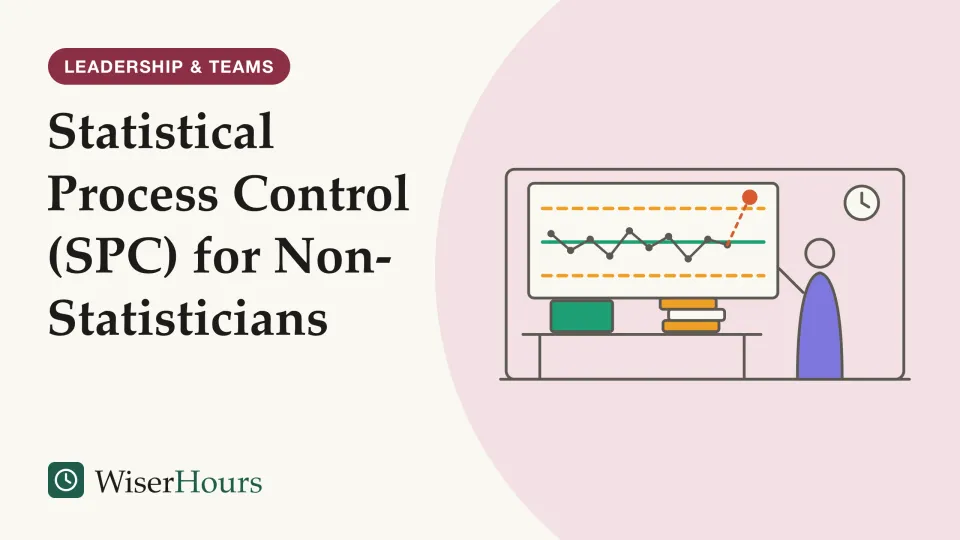
Statistical process control for managers: common and special causes, a run chart, then an XmR chart with limits worked out on 21 days of help-desk data.
How to run a kaizen event: two to four weeks of preparation, a five-day agenda for a team of 6 to 12, and the 30-day follow-up that decides if gains last.
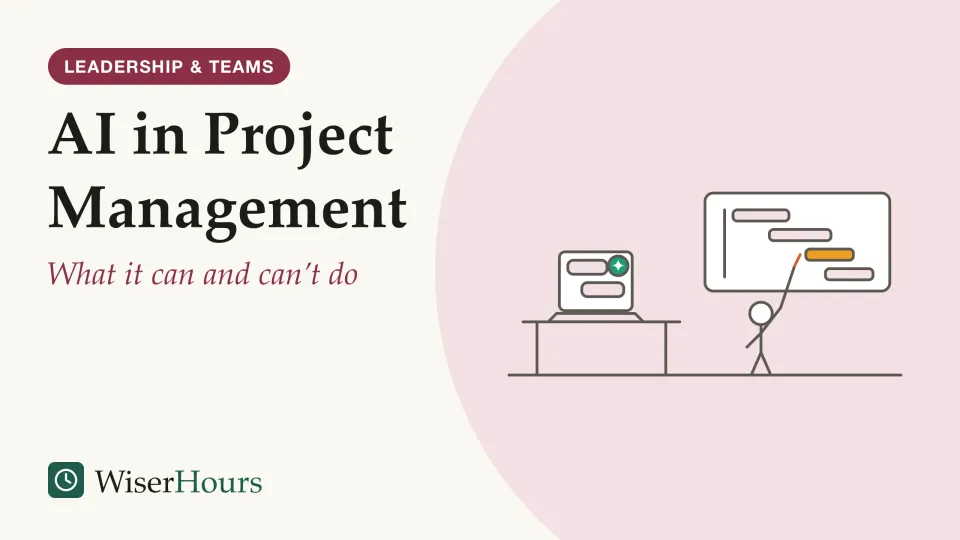
AI in project management: 4 jobs it handles well today, 3 ways it fails, and what controlled studies of AI at work show about where the line falls.
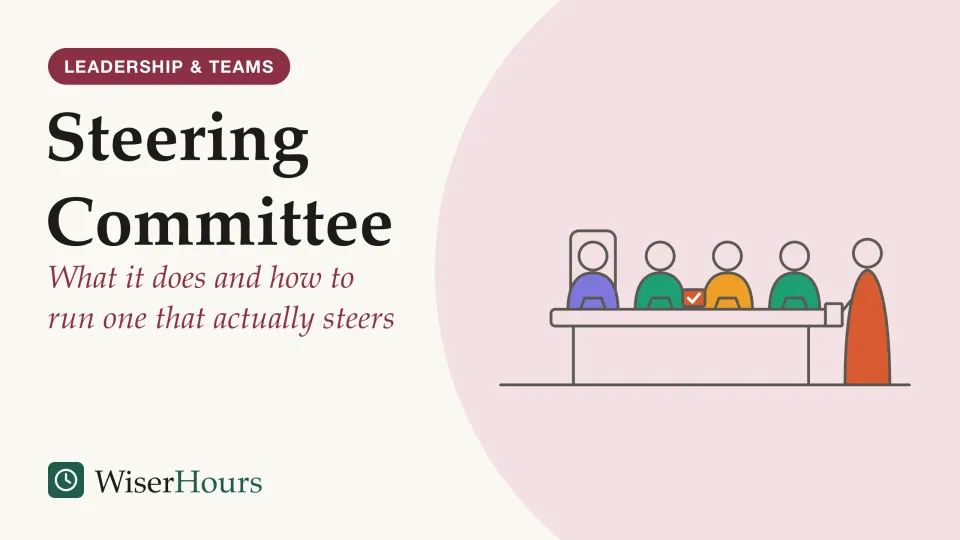
A steering committee makes the calls a project manager can't: scope, budget, tolerances and whether to go on. Who sits on one and a 60-minute agenda.
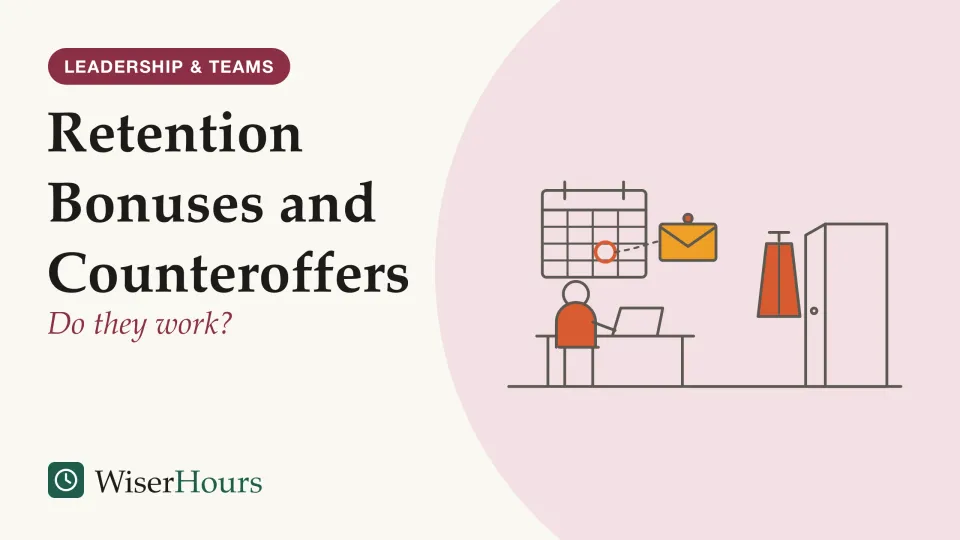
A retention bonus pays you to stay until a set date. English teachers offered extra pay were 23% less likely to leave; counteroffers mostly buy months.
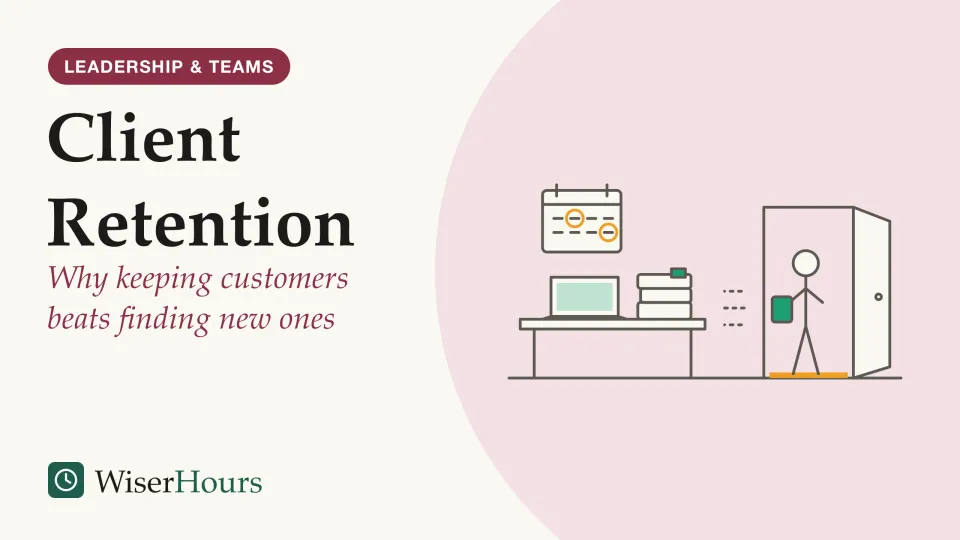
Client retention for freelancers and small firms: measure it from your own invoices, trace the famous profit claim, and use 6 habits that keep good clients.
Exit interview questions grouped into 6 topics, plus what makes leavers candid, how to code their answers and why you also need data from people who stay.
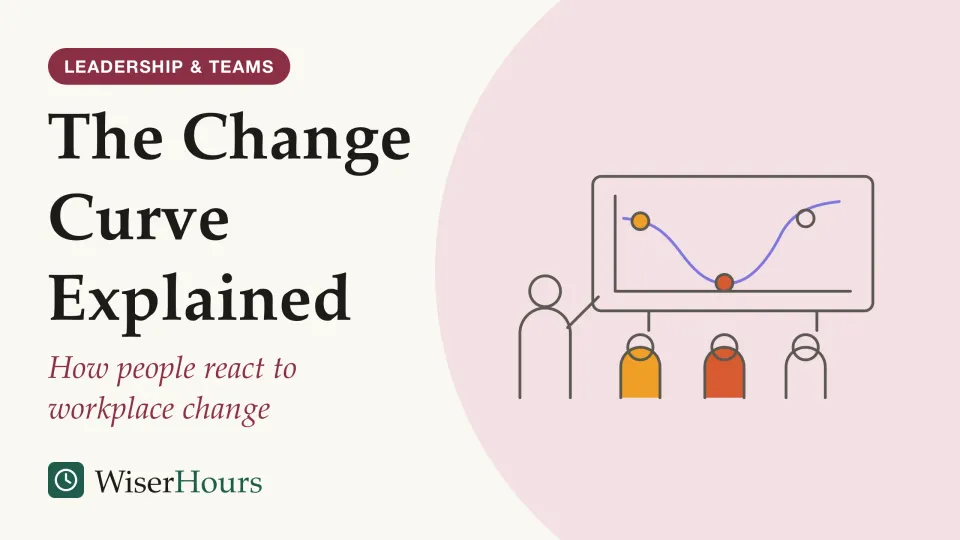
The change curve turns Kübler-Ross's 1969 stages of dying into 4 or 5 workplace stages. What research found, and what managers can do at each point.
A free performance review template with 9 sections, question banks for manager, self and peer reviews, 3 rating scales and how to write their anchors.
Offboarding in 6 steps for managers: telling the team, handover, access, final pay, the exit interview and a goodbye that leaves the door open.
Help others find direction
Delegation, coaching, one-on-ones and the craft of managing people.
Move forward together
How teams protect focus, collaborate asynchronously and deliver outcomes.
Make every conversation count
Fewer, better meetings and communication norms that respect attention.
Turn plans into progress
Agile, OKRs, roadmaps and getting projects over the line.
Build a sense of belonging
Motivation, recognition, retention and building a culture people want to be part of.
Put people at the center
Workload, mental health at work and wellness programs that actually help.
Help people grow
Hiring well, onboarding quickly and developing people over time.
Make everyday work smoother
Lean, kaizen, SOPs and removing the bottlenecks that slow organizations down.
Build something of your own
Running a small business or solo practice productively.