Compa-Ratio and Range Penetration: The Pay Metrics HR Uses
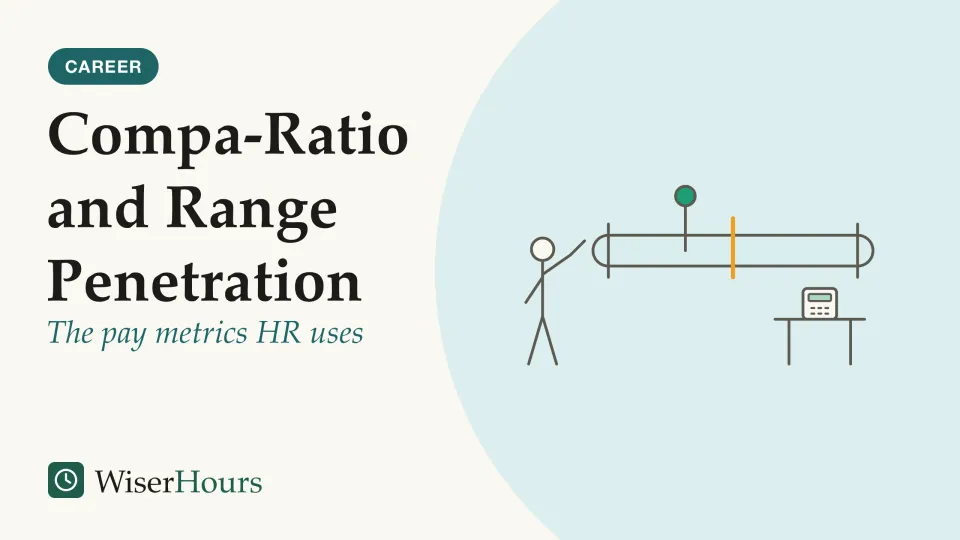
A compa ratio of 1.0 means pay at the midpoint of its range. How compa ratio and range penetration are worked out, why they disagree and how they shape raises.
Getting promoted, negotiating pay and building a career deliberately.
A compa ratio of 1.0 means pay at the midpoint of its range. How compa ratio and range penetration are worked out, why they disagree and how they shape raises.
How to ask for a promotion in 6 steps, from learning who decides to agreeing a follow-up date, with short scripts for opening, making the case and hearing no.
A performance improvement plan often runs 30 to 90 days. What a PIP contains, how to read support from a paper trail, and what to do week by week.
The Peter principle began as a 1969 satire. A 2019 study of US sales workers found top sellers were promoted most and managed less well; here is the evidence.
What moves a career forward? A meta-analysis of 140 articles found pay, promotions and satisfaction have partly different predictors, so start by choosing one.
Non-promotable tasks help the organization, not the person doing them. What 10 sources show about who gets asked, who says yes and what to change.
A 2003 meta-analysis of 31 studies found self-promotion did little for performance ratings or pay. What works better for visibility at work, and why.
In August 2026, US job switchers' median pay rose 5.0% a year before inflation vs 3.6% for stayers. When job hopping pays, its costs, how recruiters see it.
US wages and salaries rose 3.2% in the year to June 2026. How to ask for a raise in six steps, from checking pay data to naming a figure and handling a no.