How to Sleep on a Plane, a Train, or in an Unfamiliar Hotel Room
How to sleep on a plane, train or hotel: 6 steps on timing, light, noise, seats and alcohol, plus why long seated trips raise clot risk and what to do.
Sleeping better, resting properly and why recovery is a productivity strategy.
How to sleep on a plane, train or hotel: 6 steps on timing, light, noise, seats and alcohol, plus why long seated trips raise clot risk and what to do.
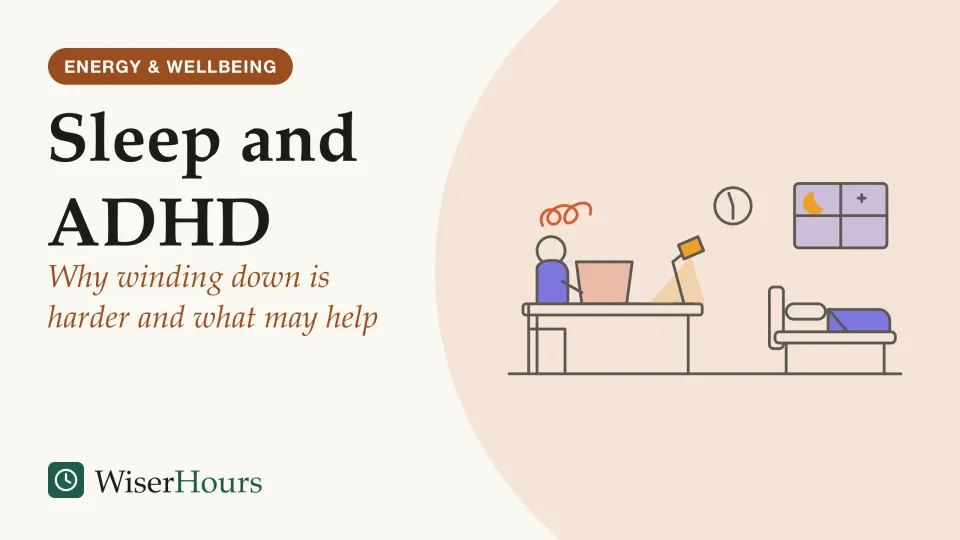
ADHD and sleep: a late body clock, a busy mind, stimulant timing, restless legs or apnoea. What a 13-study review measured, and habits that may help.
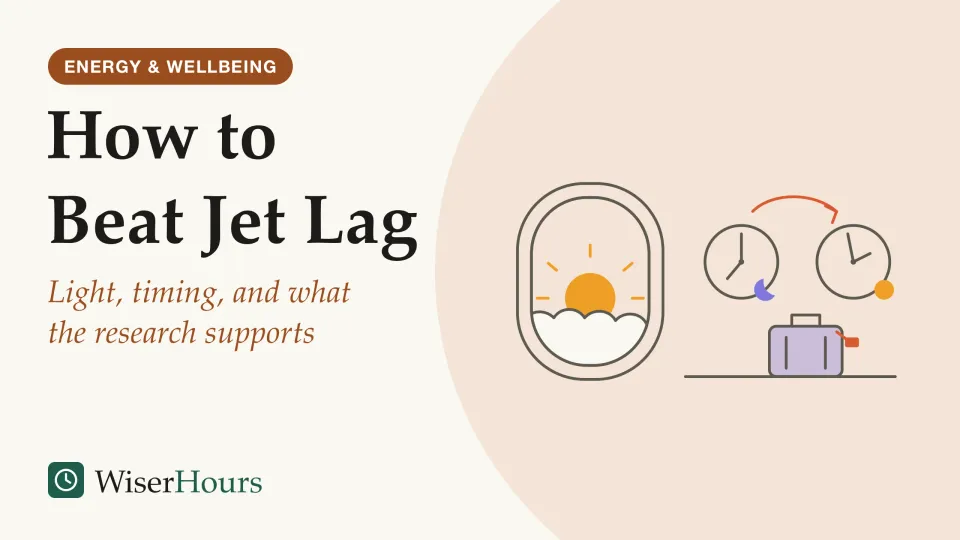
After a long flight your body clock resets only 1 to 1.5 hours a day. How timed light, pre-flight shifts and melatonin help, and how good the evidence is.
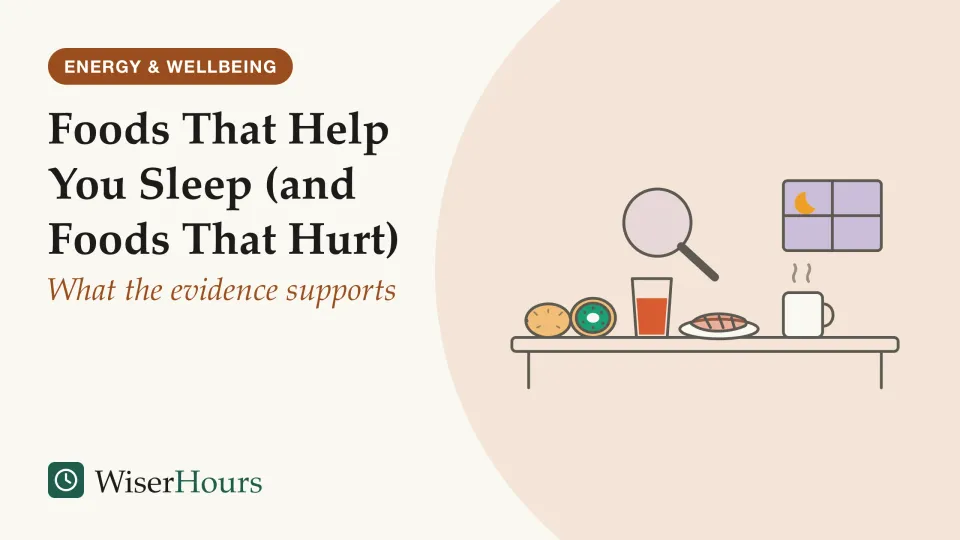
Foods that help you sleep, graded: a 2016 review found food trials too small for firm conclusions. What kiwi, tart cherry, fish and fiber show.
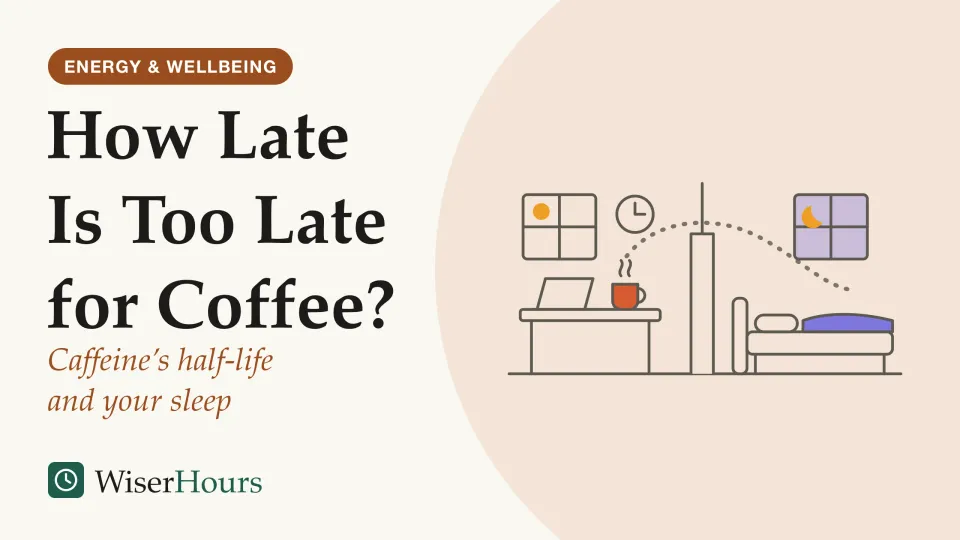
Caffeine's half-life is about 3 to 7 hours in adults, so an afternoon coffee is still working at bedtime. How dose, timing and your body set your cutoff.
How to fix your sleep schedule: keep one wake time, get morning light, dim evenings and shift about an hour a day. A 5-day plan for a 2 to 3 hour slide.
Most people are neither larks nor owls. How chronotypes are measured, what 351 gene regions, age and light do to them, and what owl headlines omit.
Why do I wake up at 3am? Sleep runs in 80- to 100-minute cycles with brief wakings between them. The real causes, what to do, and when to see a doctor.
Insomnia is trouble sleeping when you had the chance to sleep. What the 3-night, 3-month line means, what causes it, and when to see a doctor.
Adults need 7 to 9 hours of sleep, a 2015 expert panel says, but needs differ. Why the advice is a range and what the health links really show.
How to sleep better: 7 habits, roughly best-tested first, what caffeine and alcohol research shows, and why guidelines put CBT-I before pills for insomnia.
Magnesium for sleep rests on a few small trials. What 3 trials in older adults and a 2025 German trial found, which forms they used, and the cautions.
A 2025 review of 24 studies found wrist trackers misjudge sleep and wake time. What trackers get right, what they miss, and which symptoms need a doctor.
Sleep debt builds night by night. In lab trials, 1 long night or a weekend of lie-ins repaid only part of it. What recovery really takes.