Market Orders vs. Limit Orders: A Beginner's Guide
Market order vs limit order: one fills now at an uncertain price, the other only at your price or better. 3 worked examples, plus stop orders and time limits.
Compound interest, index funds, risk and the fundamentals of long-term investing.
Market order vs limit order: one fills now at an uncertain price, the other only at your price or better. 3 worked examples, plus stop orders and time limits.
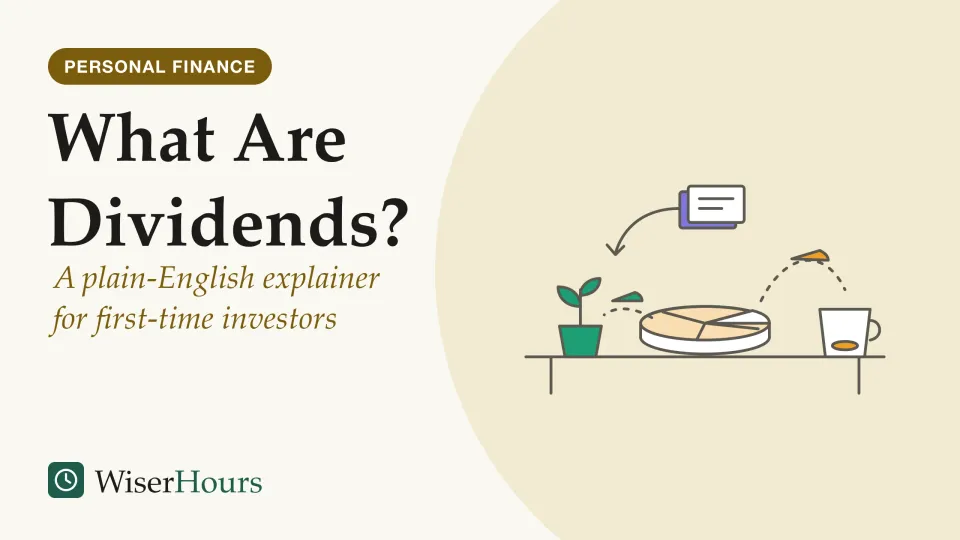
What are dividends? Cash or shares a company pays its owners. Why they are part of your return, not extra, and the 3 main ways a payout can reach you.
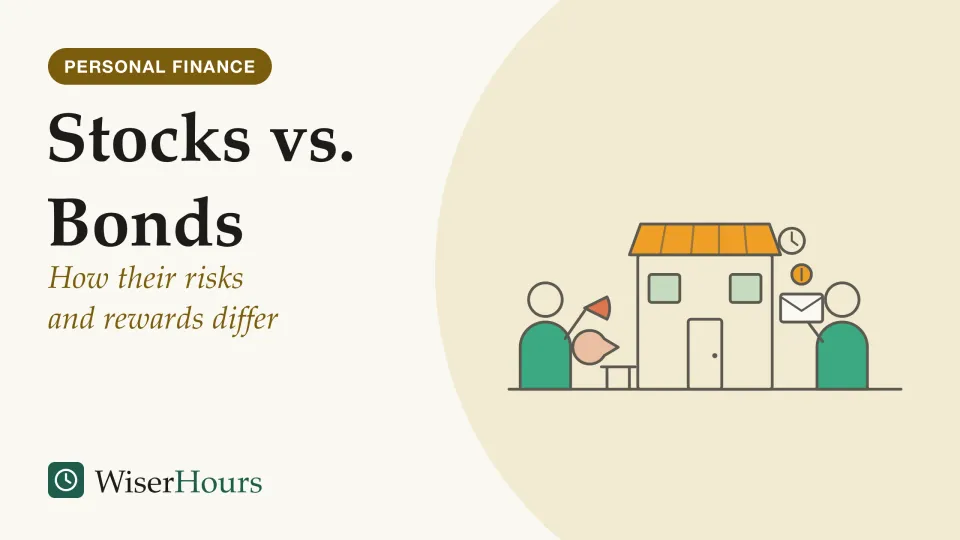
Stocks vs bonds: owning versus lending, who is paid first if a company fails, the risks of each, and why US stocks and Treasuries both fell about 18% in 2022.
Is gold a good investment? It pays no income, lost about three-quarters of its buying power after US inflation from 1980 to 2001, yet held up in some crashes.
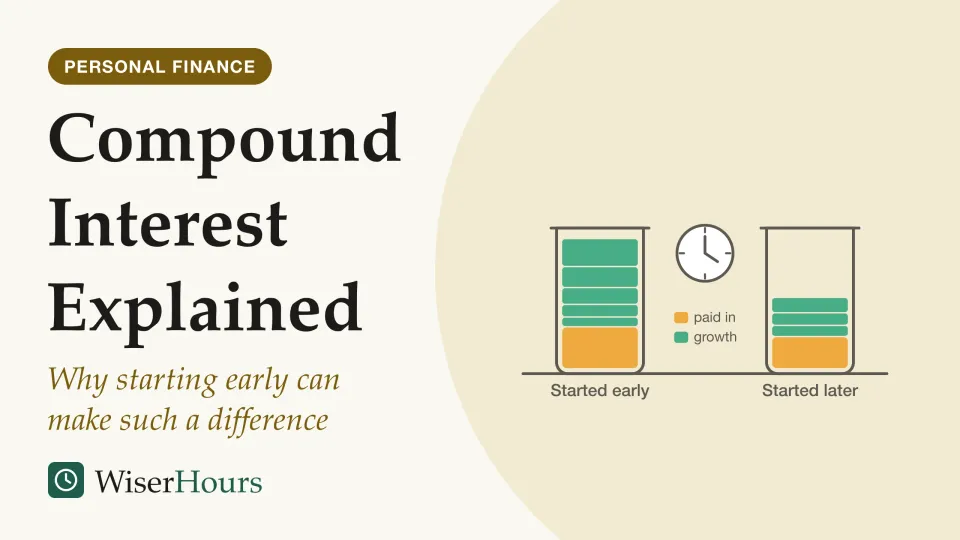
Compound interest explained: the formula in plain words, a worked table of early and late starters at 3, 5 and 7%, and what fees, inflation and tax take.
Investing for beginners: how stocks, bonds and funds work, what 126 years of US returns show, and 7 steps based on US and UK regulators' guidance.
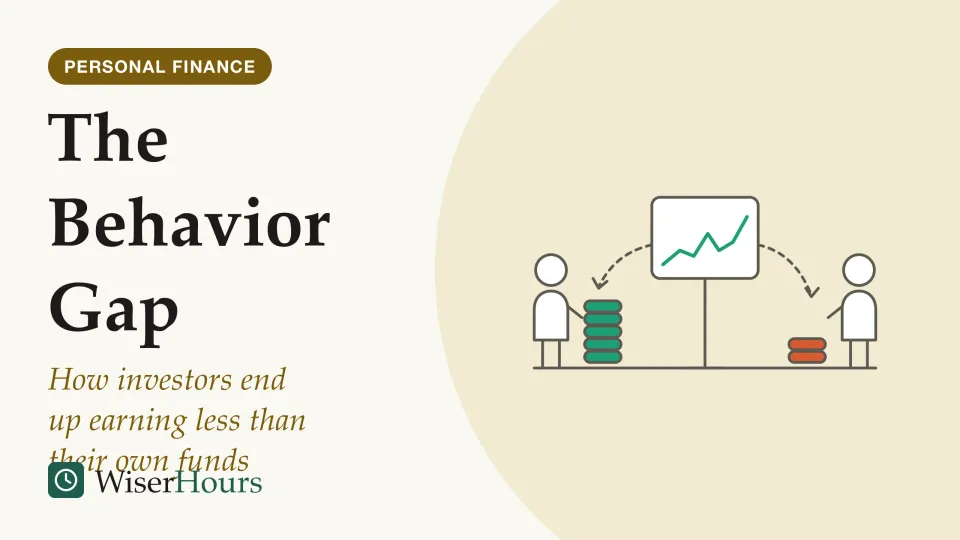
Fund investors often earn less than their funds report. How the behavior gap is measured, why estimates range from about 8.5 points to 0.1, and what to do.
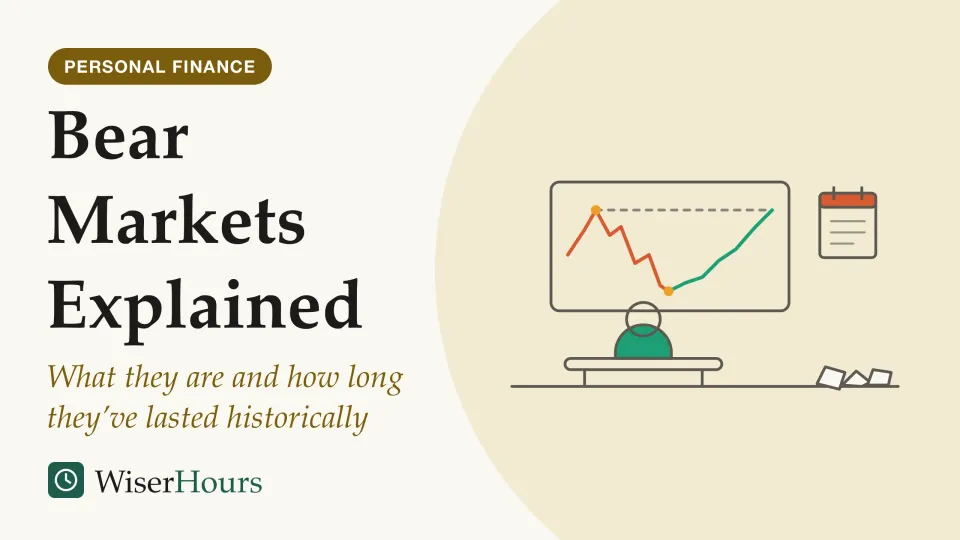
A bear market is usually a fall of 20% or more, a convention rather than a rule. US bear markets since 1929 fell for 1 month to about 2.5 years.
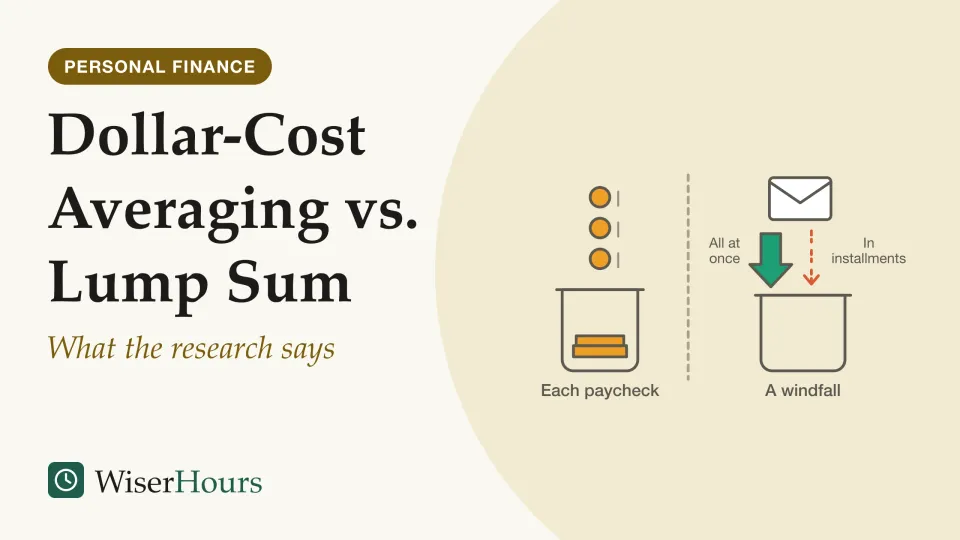
Dollar-cost averaging vs lump sum: why investing each paycheck is a different question, and what Vanguard and research since 1979 found about windfalls.
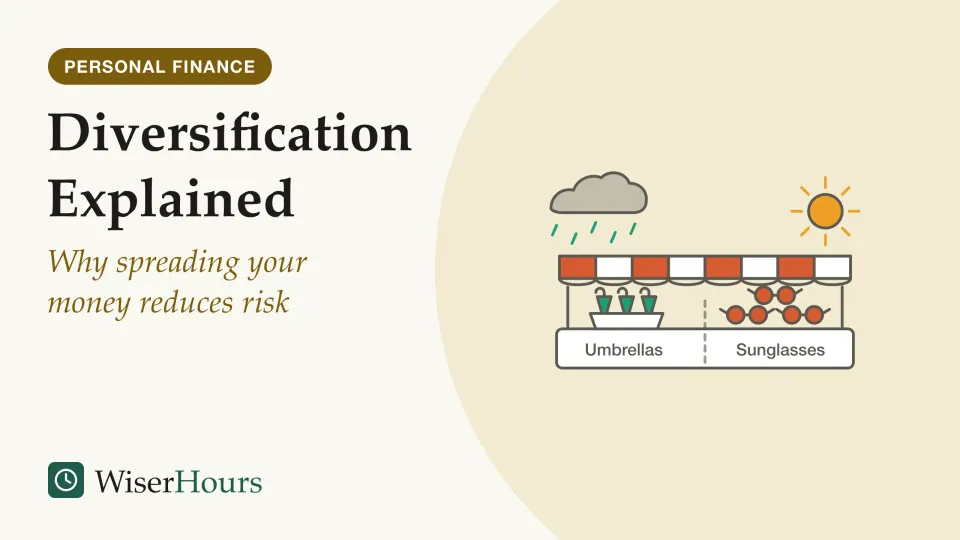
Diversification explained: why spreading cuts one company's risk but not the market's, and why one US study found the stocks needed rose from about 20 to 50.
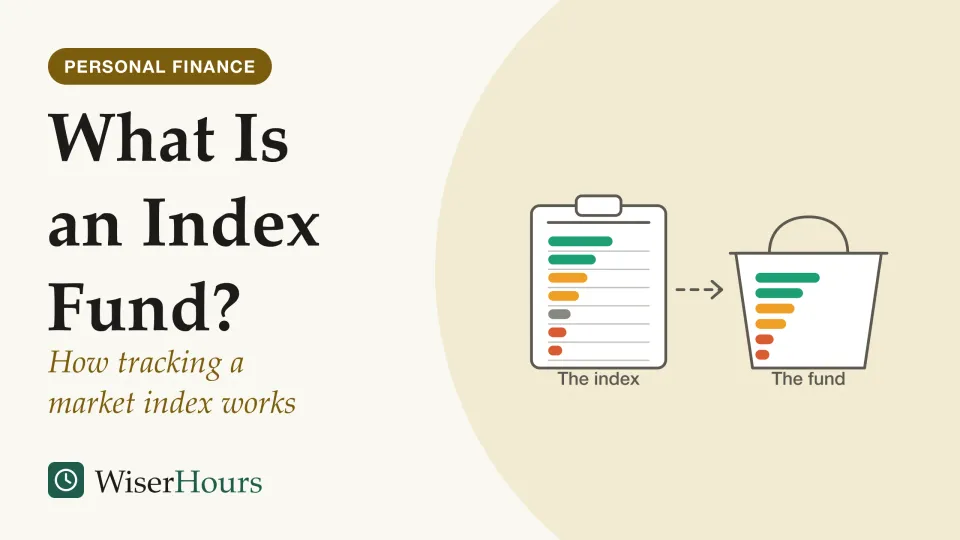
An index fund copies a market index instead of trying to beat it. How tracking works, why the copy is never exact, and 5 questions to ask before you buy.