Notion vs. Obsidian: Which Fits How You Think?
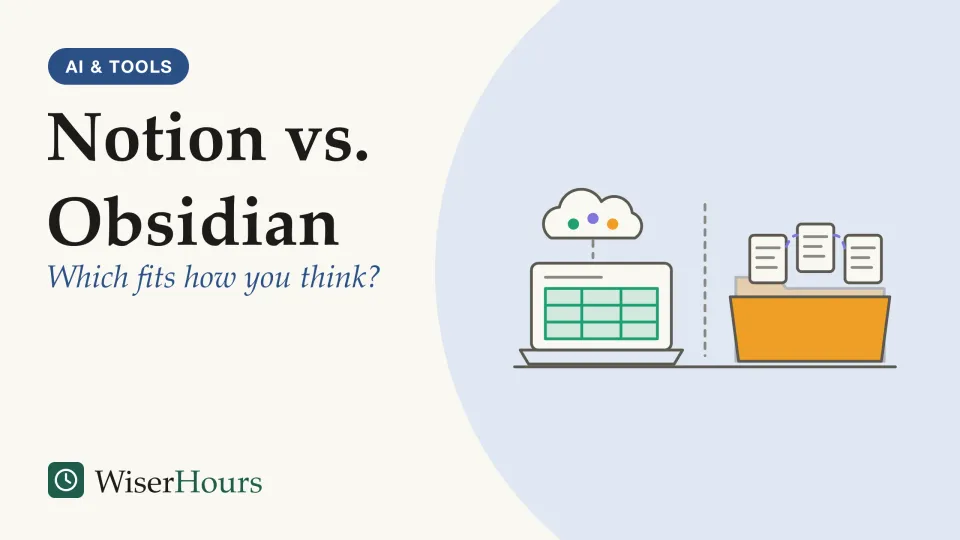
Notion vs Obsidian: a shared cloud workspace or Markdown files on your device. 8 deciding points, from offline use to switching, checked October 2026.
Second brains, note systems and team wikis that make knowledge easy to find and use.
Notion vs Obsidian: a shared cloud workspace or Markdown files on your device. 8 deciding points, from offline use to switching, checked October 2026.
Logseq explained: an outliner where every note is a block, its 2 versions since 2026 (Markdown files or a database), privacy, price and who it suits.
The best note taking apps compared as 6 types, from phone notes to Markdown files: choose by how you capture, how you refind and how your notes can leave.
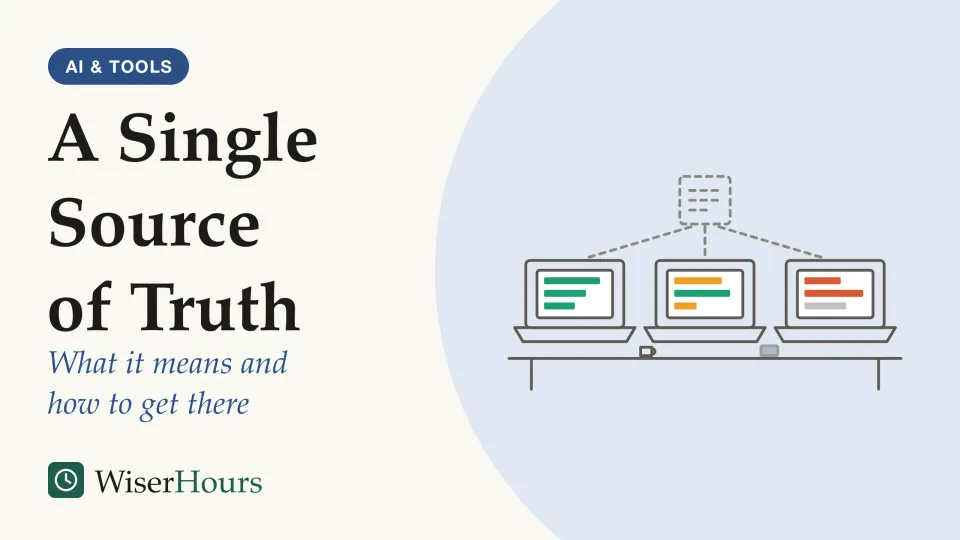
A single source of truth gives each key fact one home and one owner. What it means, how it differs from a system of record, and 5 steps for a small team.
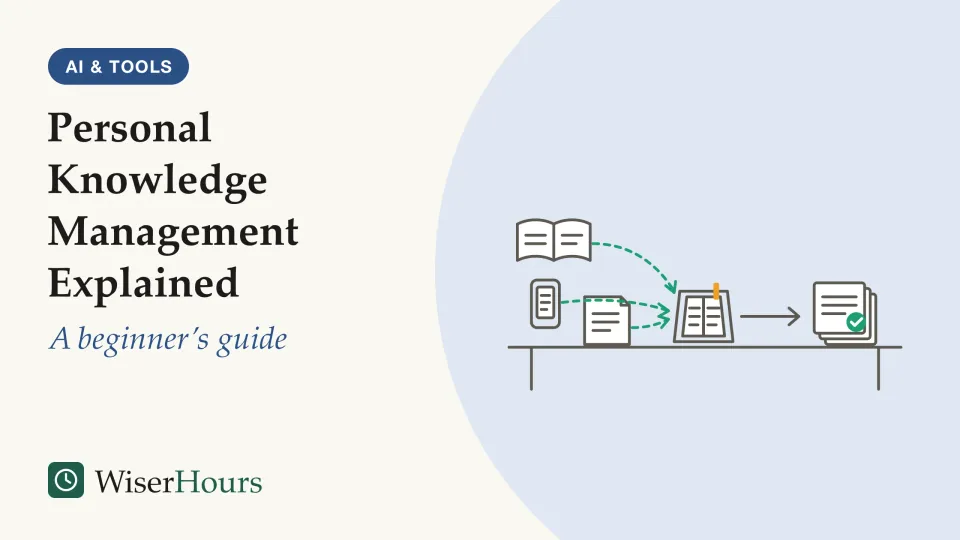
Personal knowledge management explained: where the term began in 1998, a 4-step loop, the main schools, and how little of it has been tested.
Why take notes? A 57-study meta-analysis found only a modest benefit from taking notes; a second found substantial effects from taking and reviewing them.
A commonplace book keeps quotes, facts and ideas with their source under subject headings. Where it came from, and 6 steps to start your own.
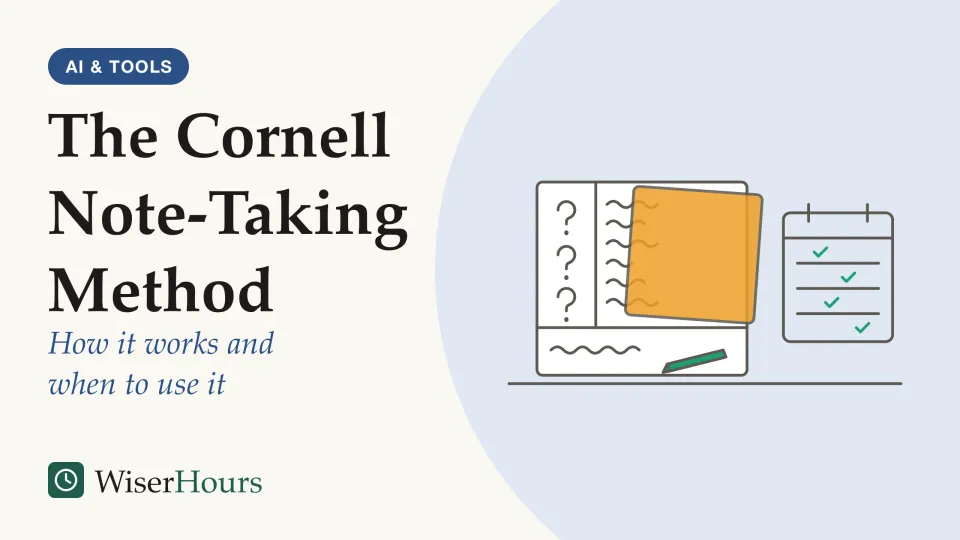
The Cornell note-taking method splits a page into 3 areas and adds 5 steps. Research backs its self-testing step far more than the layout itself.
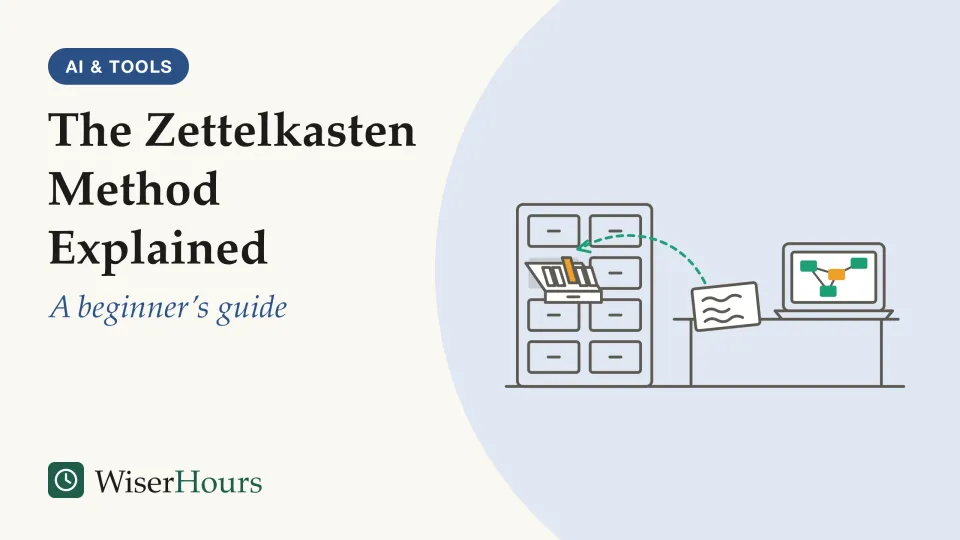
The Zettelkasten method explained: the 4 parts of Niklas Luhmann's slip-box, what note apps changed, and what research does and does not support.
How to take notes from a book: a 2022 review of 36 articles found highlighting did little for understanding. Recall each chapter from memory instead.
Building a second brain rests on 4 steps: capture, organize, distill, express. Here is Tiago Forte's method and what memory research backs.