Email Subject Lines for Work: How to Get Emails Opened and Answered
Email subject lines for work, not marketing: 5 rules, before-and-after examples for 6 common emails, and what a UK field experiment found about deadlines.
Writing, listening, feedback and persuasion at work.
Email subject lines for work, not marketing: 5 rules, before-and-after examples for 6 common emails, and what a UK field experiment found about deadlines.
How to write a professional email: the request first, only the detail the reader needs, a courteous tone, and what a review of 62 work-email papers found.
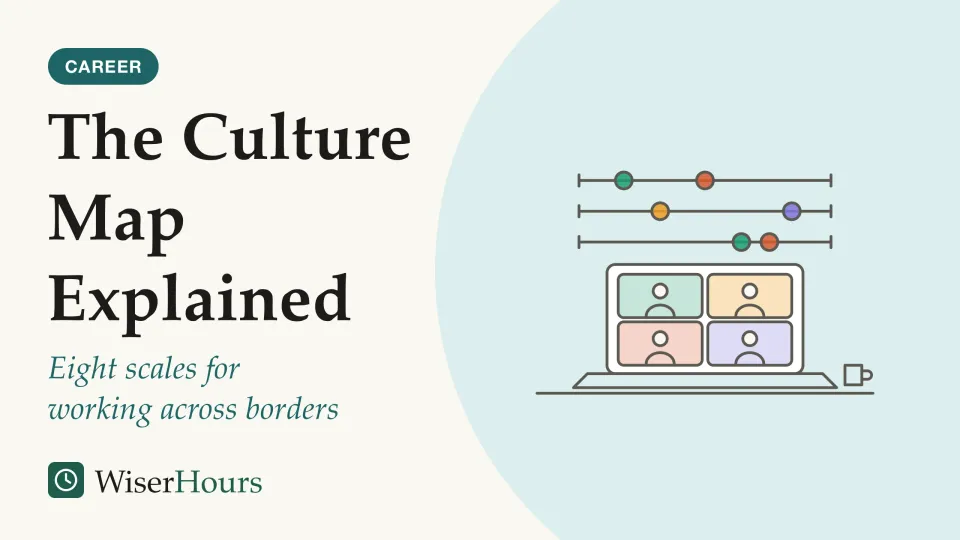
The Culture Map's 8 scales, from feedback to scheduling, why relative position matters, what the research behind it shows, and a team mapping exercise.
The framing effect explained: why the same facts get different answers, what a 36-sample retest found, and how to frame work proposals honestly.
Ethos, pathos and logos explained with 4 work examples, how each appeal fails when overdone, what kairos adds, and what persuasion research says.
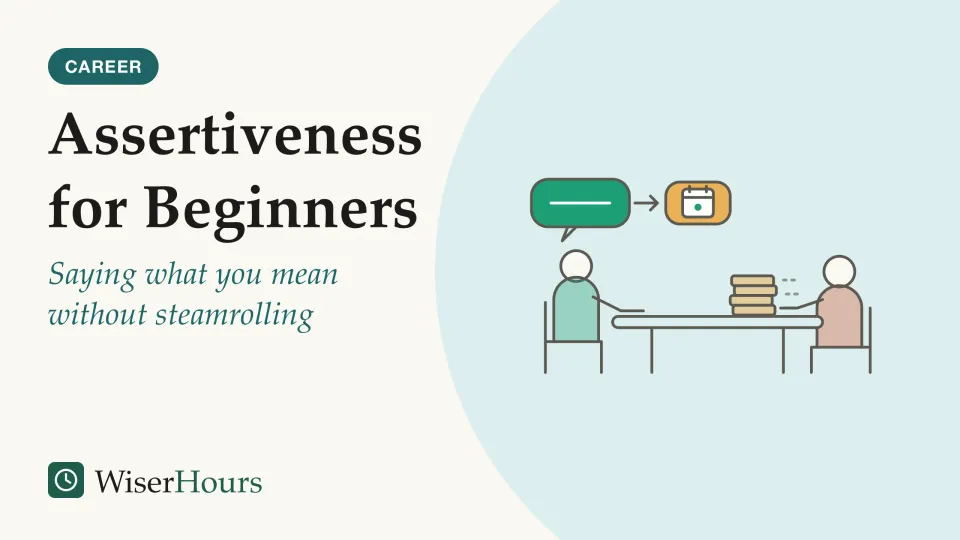
How to be more assertive at work in 6 steps, from I-statements to handling pushback, and why too little and too much assertiveness both cost you.
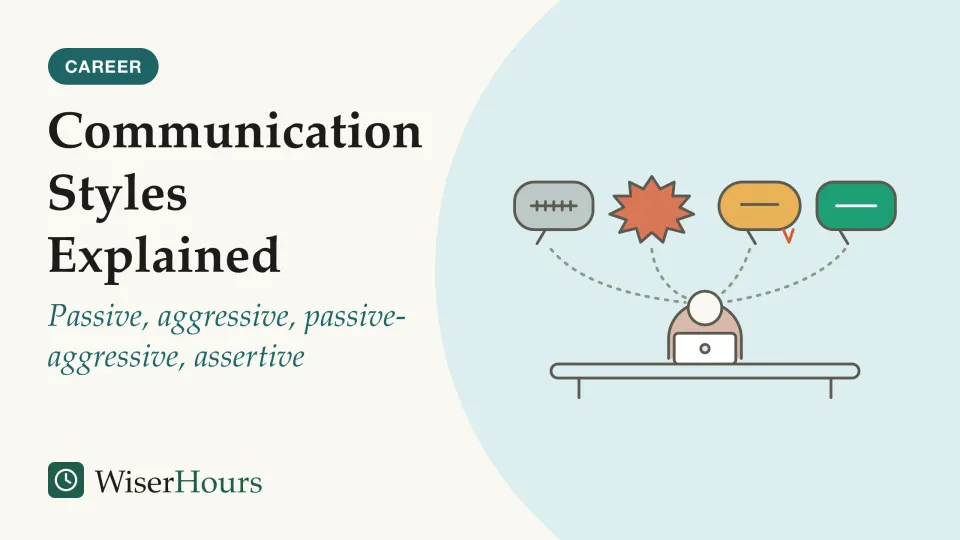
The 4 communication styles, where the model comes from, why your style shifts with the situation, and what style tests like DISC can and cannot tell you.
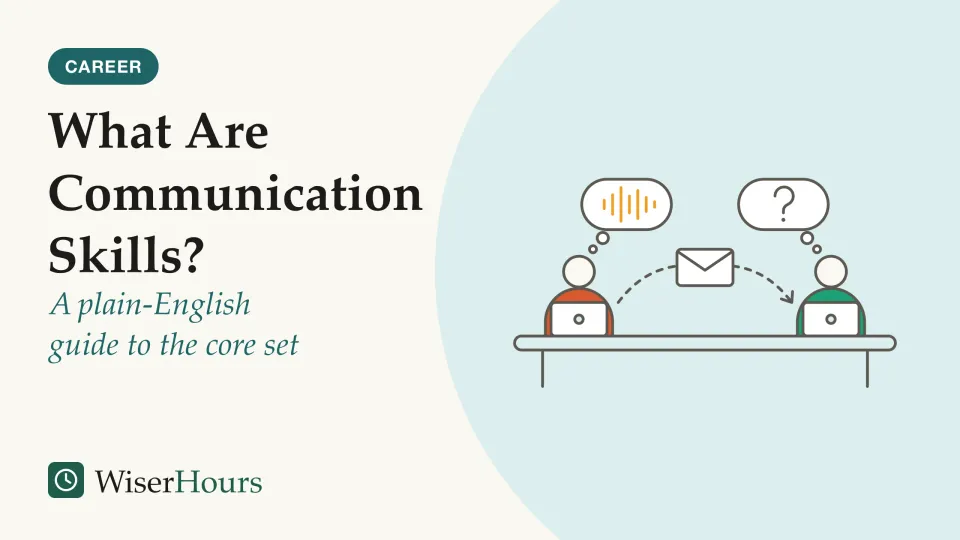
Communication skills explained: the core six, the two tests they are judged on, and why email senders in a 2005 study expected 78 percent accuracy but got 56.
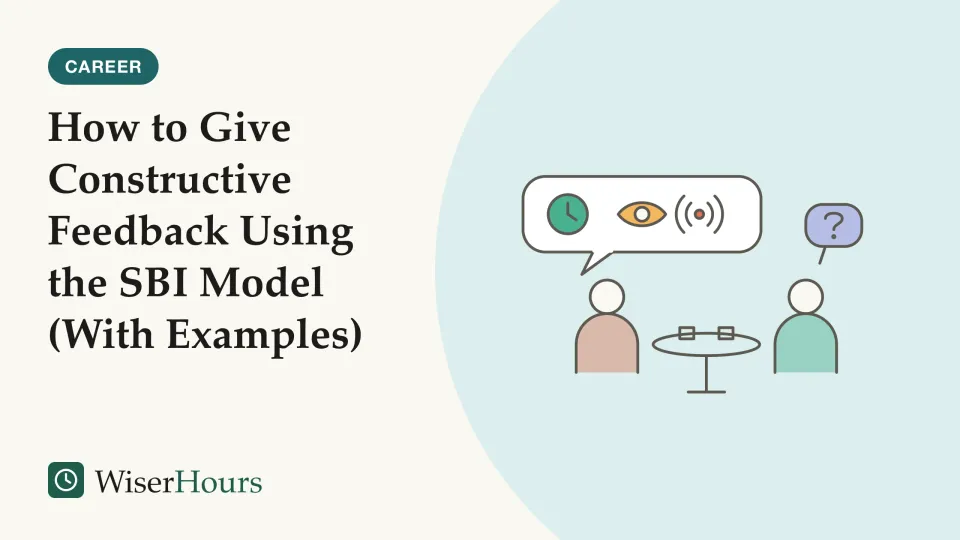
The SBI feedback model in 3 steps (situation, behavior, impact), with examples for praise and correction, and the next step it leaves out.
Active listening, from its 1957 origin to the experiments: what it is, what feeling heard does for a speaker, and five steps to practice it at work.