Statistical Process Control (SPC) for Non-Statisticians
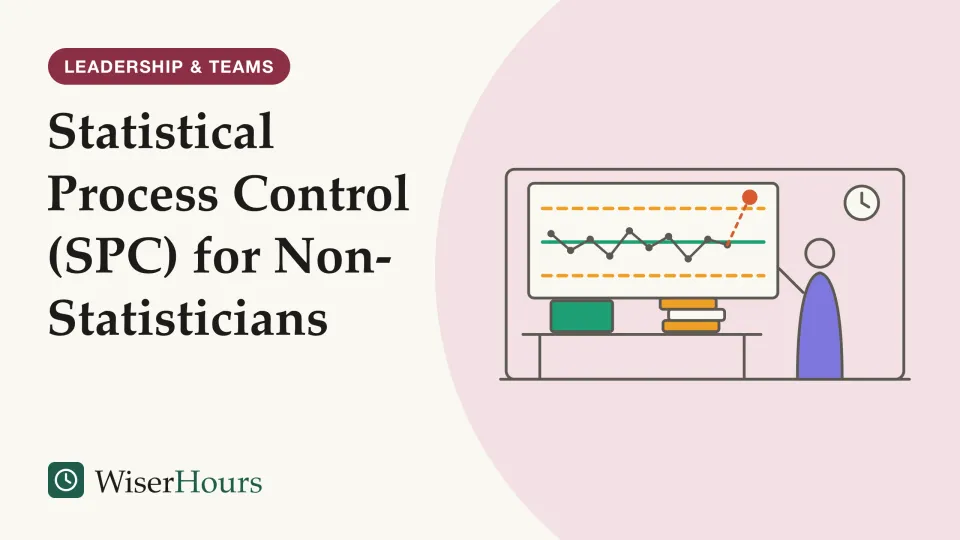
Statistical process control for managers: common and special causes, a run chart, then an XmR chart with limits worked out on 21 days of help-desk data.
Lean, kaizen, SOPs and removing the bottlenecks that slow organizations down.
Statistical process control for managers: common and special causes, a run chart, then an XmR chart with limits worked out on 21 days of help-desk data.
How to run a kaizen event: two to four weeks of preparation, a five-day agenda for a team of 6 to 12, and the 30-day follow-up that decides if gains last.
Value stream mapping in 7 steps, worked through on an invoice-approval example, plus what reviews find and the step most published maps skip.
Little's law links three averages: work in progress = throughput x lead time. How to use it, the 5 conditions it needs, and the mistake to avoid.
Systems integration in plain words: 4 ways to connect a CRM, invoicing tool and spreadsheet, their hidden costs, and when a manual step is fine.
Business process reengineering redesigns work from a blank sheet. Where the 70 percent failure claim came from, why BPR meant layoffs, and when it fits.
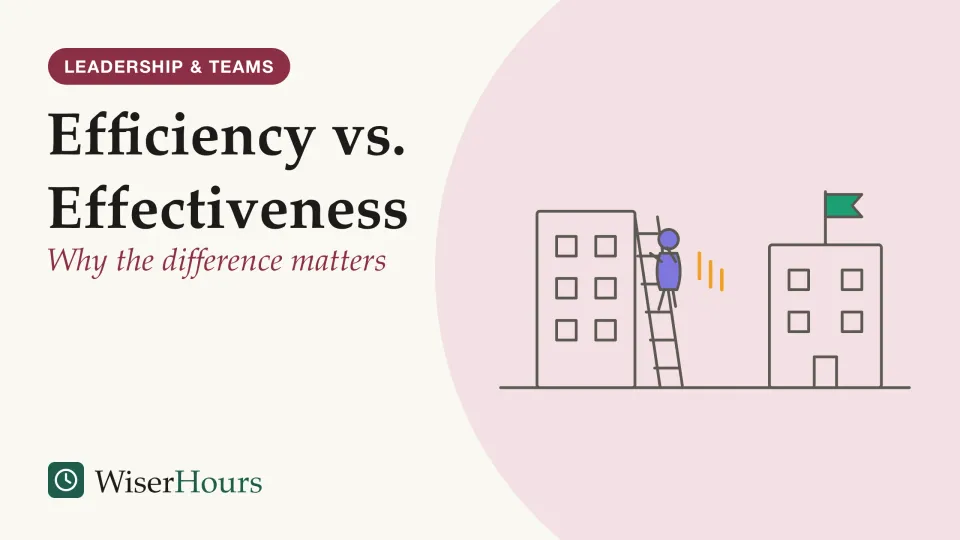
Efficiency vs effectiveness: one asks what work costs, the other whether it hits the goal. Drucker's line, 4 combinations and how to measure each.
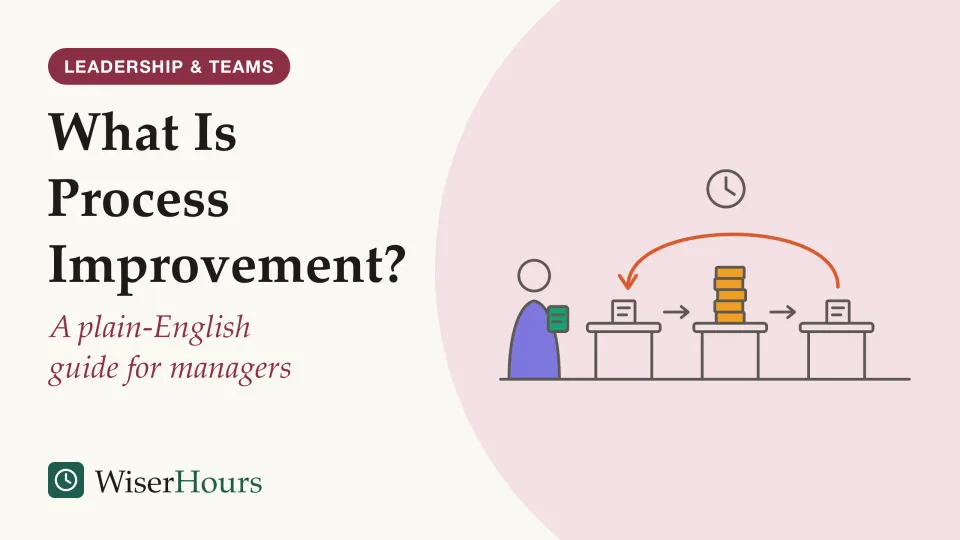
Why does the same mistake keep happening? What process improvement means, the 4-step plan-do-study-act loop, and what makes the gains last.
How to write a standard operating procedure in 7 steps, from deciding whether a task needs one to testing the draft on someone new. What the guidance says.
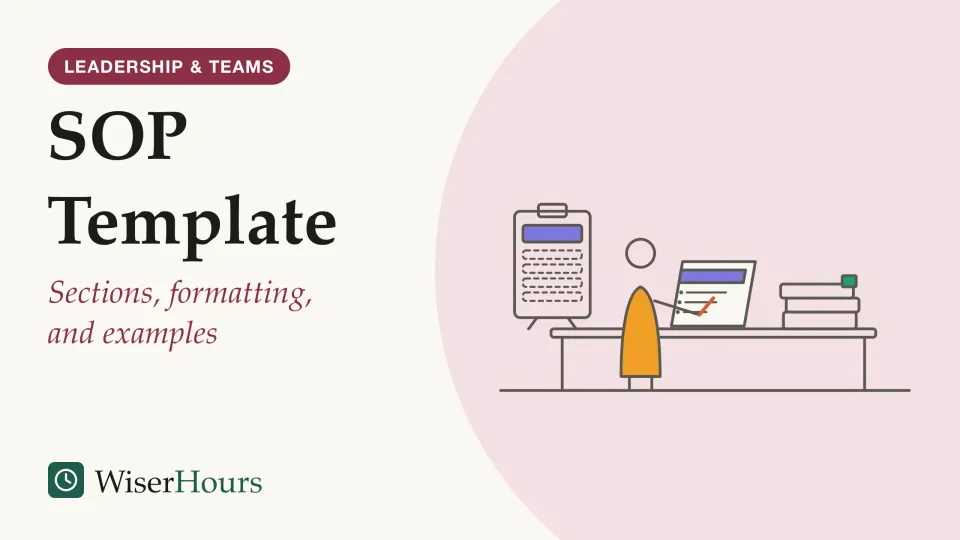
A free SOP template with 11 sections to copy, which ones a small team can drop, the three common formats and two short worked examples.
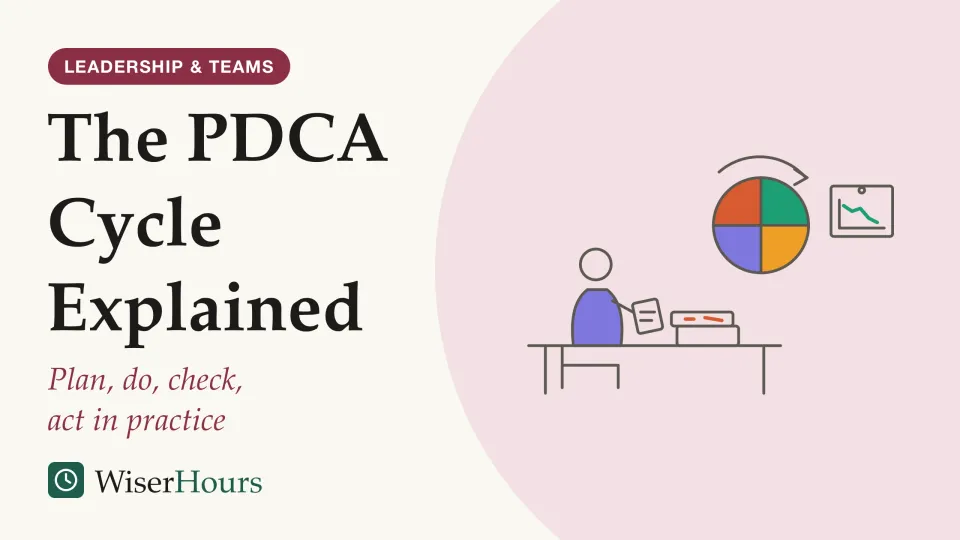
The PDCA cycle's 4 stages, worked through on an invoice-error example: where the loop came from, why Deming said study, and the mistakes that break it.
Six Sigma targets 3.4 defects per million chances, but its real content is a way to run projects. What it adds, what firm studies found, and where it fits.
Root cause analysis step by step: the tools, why five whys falls short, and the fix teams skip. In one review, 2 of 21 studies could partly show a safety gain.