30-Day Challenges: Do They Create Lasting Habits?
A 30-day challenge can start a habit, but a 2024 review says new health habits take two to five months. What fades after day 30, and how to plan day 31.
The science of habit formation, morning and evening routines, and small changes that compound.
A 30-day challenge can start a habit, but a 2024 review says new health habits take two to five months. What fades after day 30, and how to plan day 31.
A habit tracker helps you repeat an action, yet use fades: in one French study, 16% still used a tracker after 320 days. What works, and which kind to pick.
Habit stacking ties a new habit to one you already do. A 5-step method, 14 examples for work and home, and what the if-then research behind it shows.
How to build a new habit in 6 steps from habit trials: one wanted action, a daily cue, a small start, a written record, loose timing and a restart plan.
Urge surfing in 5 steps: notice a craving, feel it in your body and let it pass. What the evidence shows, how long urges last, and when to get help.
A 2005 study of 115 transferring students found habits survived a move only when their setting did. How to break a bad habit: change the cue, plan a swap.
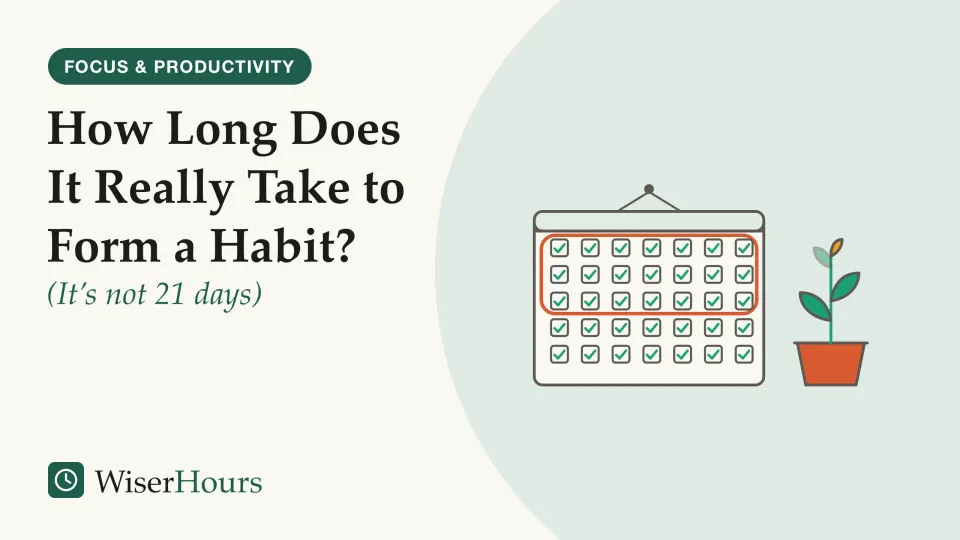
Two studies that timed habit formation found medians of about two months, with individuals taking 4 to 335 days. Where 21 days came from, and what helps.
How habits work: repetition links a setting to an action until the setting starts it. Why the reward matters less than the loop says, and what 66 days means.
How to build a reading habit: 20 pages a day takes about 20 to 25 minutes. Tie it to a fixed moment, keep the phone away, and read hard books on paper.
How to build an exercise habit: the WHO target is 150 minutes a week, but start far below it, make starting automatic and plan how you come back after a miss.
How to build a morning routine you'll keep: 5 steps from habit research, and why the kind of cue you pick matters less than meeting it every day.