Plan your search · Lesson 1 of 10
How a Job Search Really Works: Months, Replies and a Plan
Learn how long a job search usually takes, why most applications get no reply, and why skills plus motivation beat sending more.
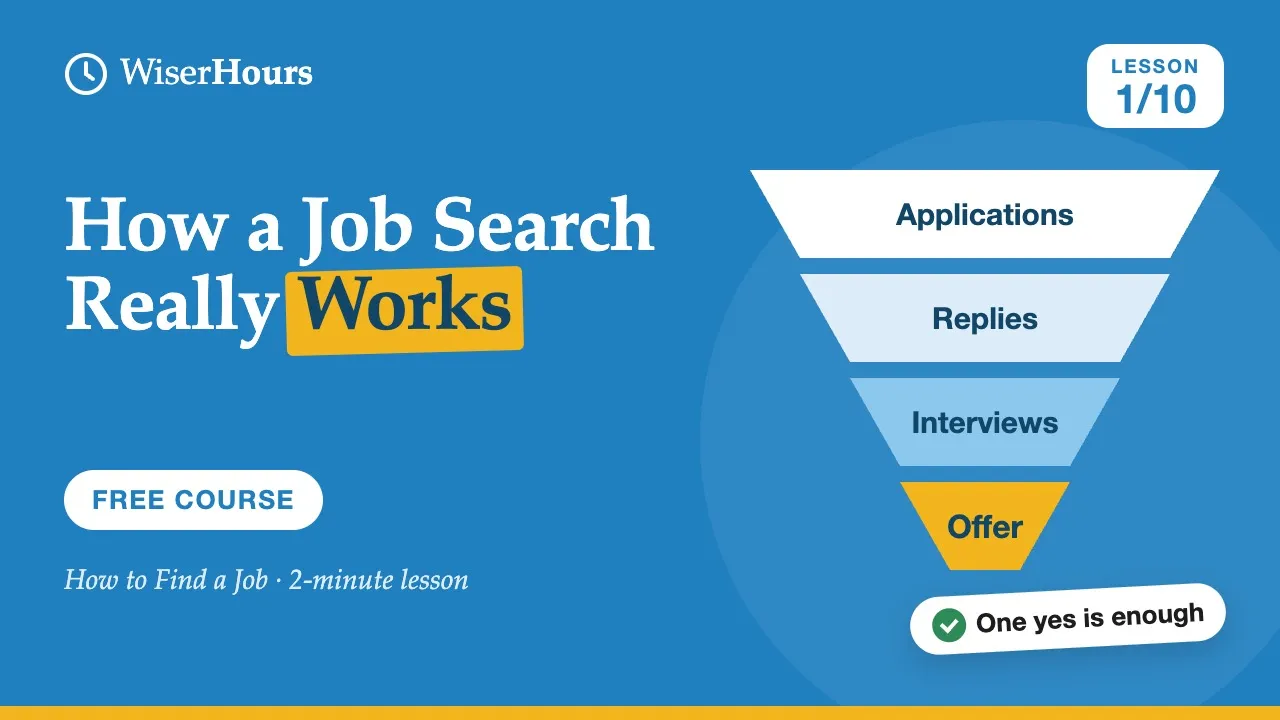
English captions available in the player. Prefer reading? Follow the written lesson below.
Many people answer a lost job by sending out as many applications as they can. This lesson shows what a job search looks like in practice and why a simple plan does more than sheer volume.
Months, not days
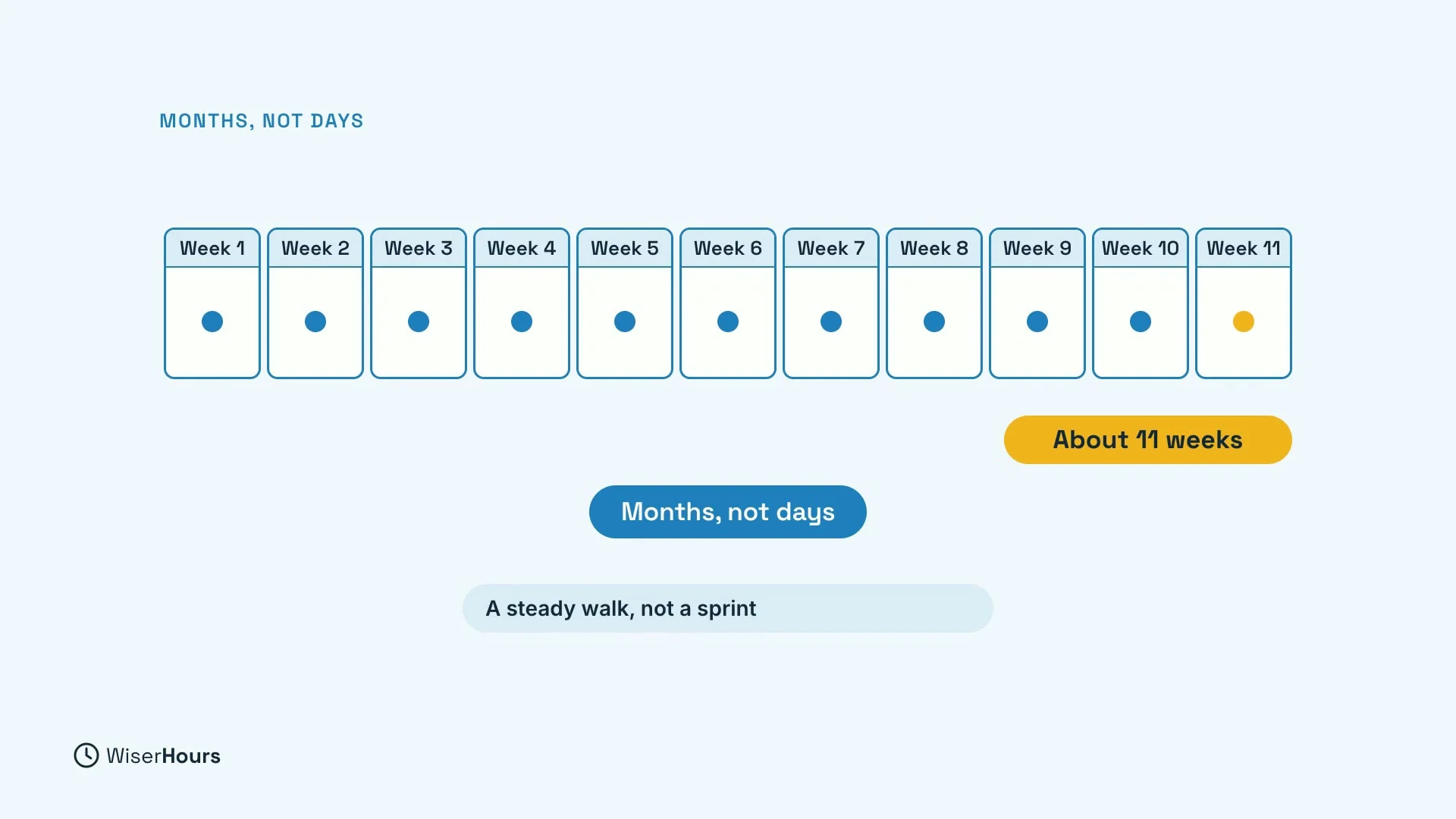
A job search usually takes months. In the United States, for example, the typical person still looking for work had been searching for about 11 weeks. Other countries differ, but the pattern is the same: it is a long stretch, so plan for a steady walk, not a sprint.
 (opens the full-size picture)
Most applications go quiet
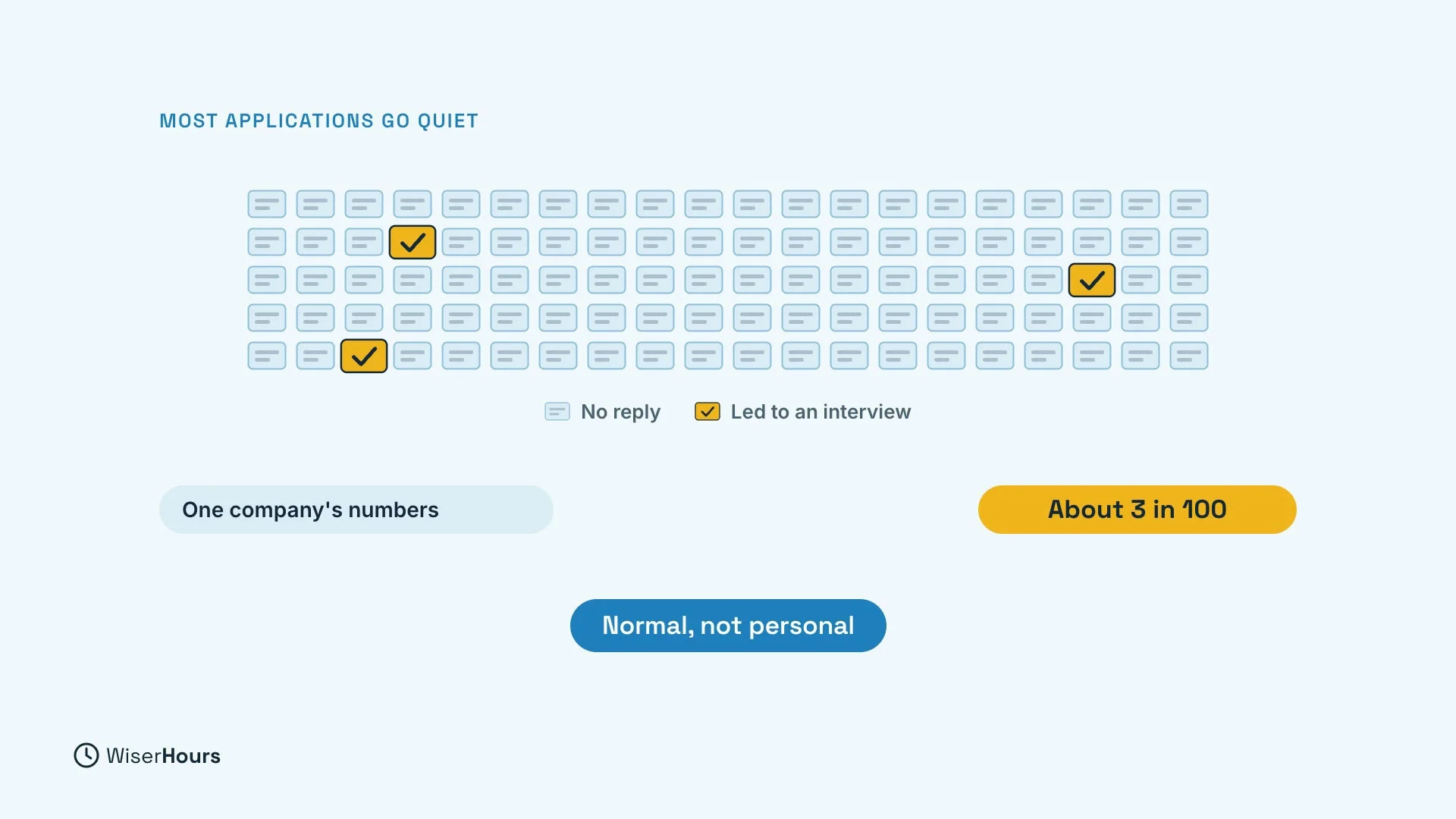
At one company that researchers studied, only about three in every hundred applications led to an interview. Most of the rest got no reply at all. That is normal, and it is not a judgment on you. A silent inbox tells you about the odds, not about your worth.
 (opens the full-size picture)
Skills and motivation together
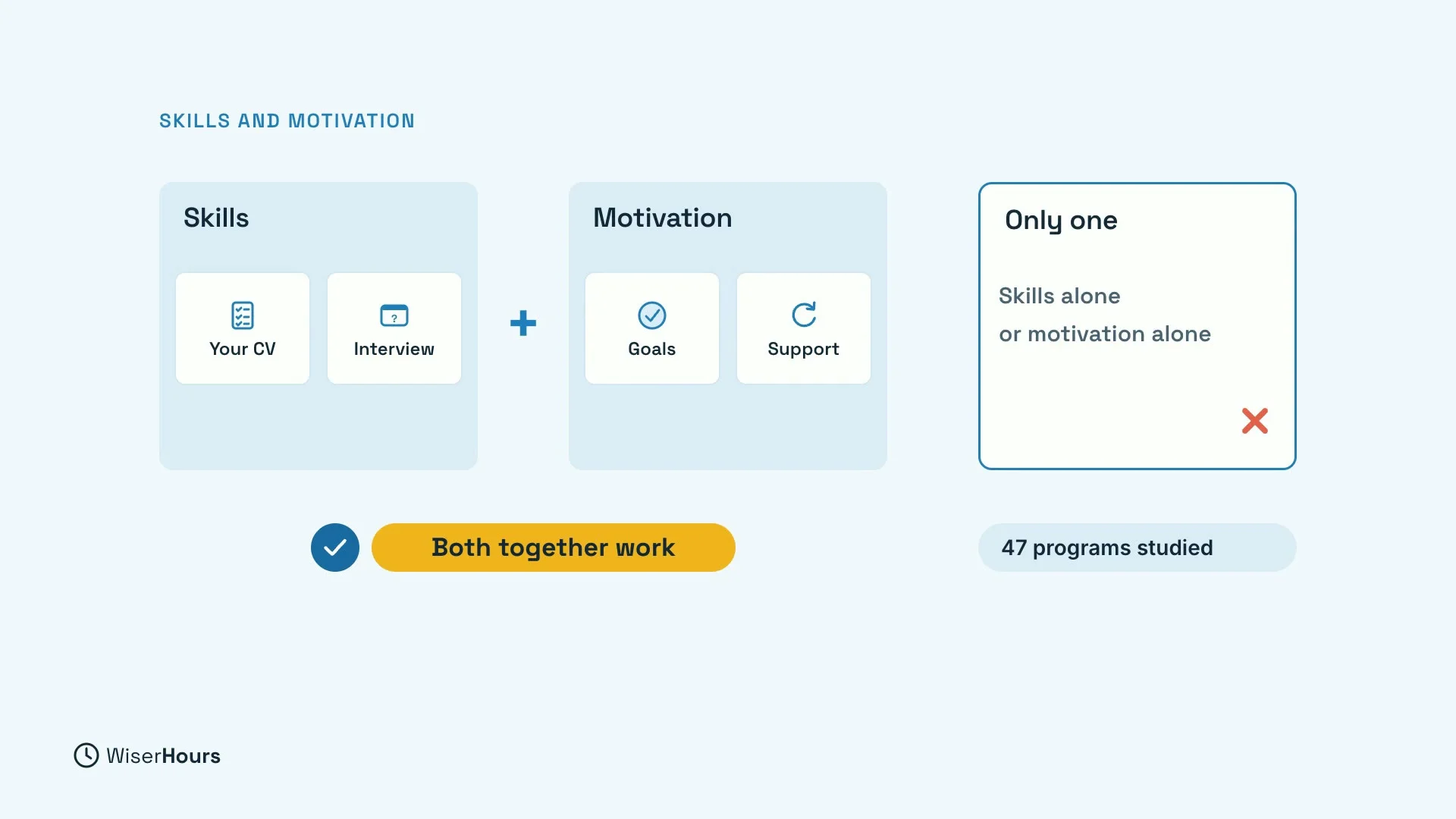
So should you just send more? Across many studies, searching harder was only a little linked to getting interviews and offers, and it did not lead to better jobs. What did help? Researchers looked at 47 job search programs. The ones that worked taught practical skills, like presenting yourself in a CV and at interviews. At the same time, they kept people going with goals and support. Programs that did only one of the two showed no clear effect.
 (opens the full-size picture)
Borrow the mix for your own search
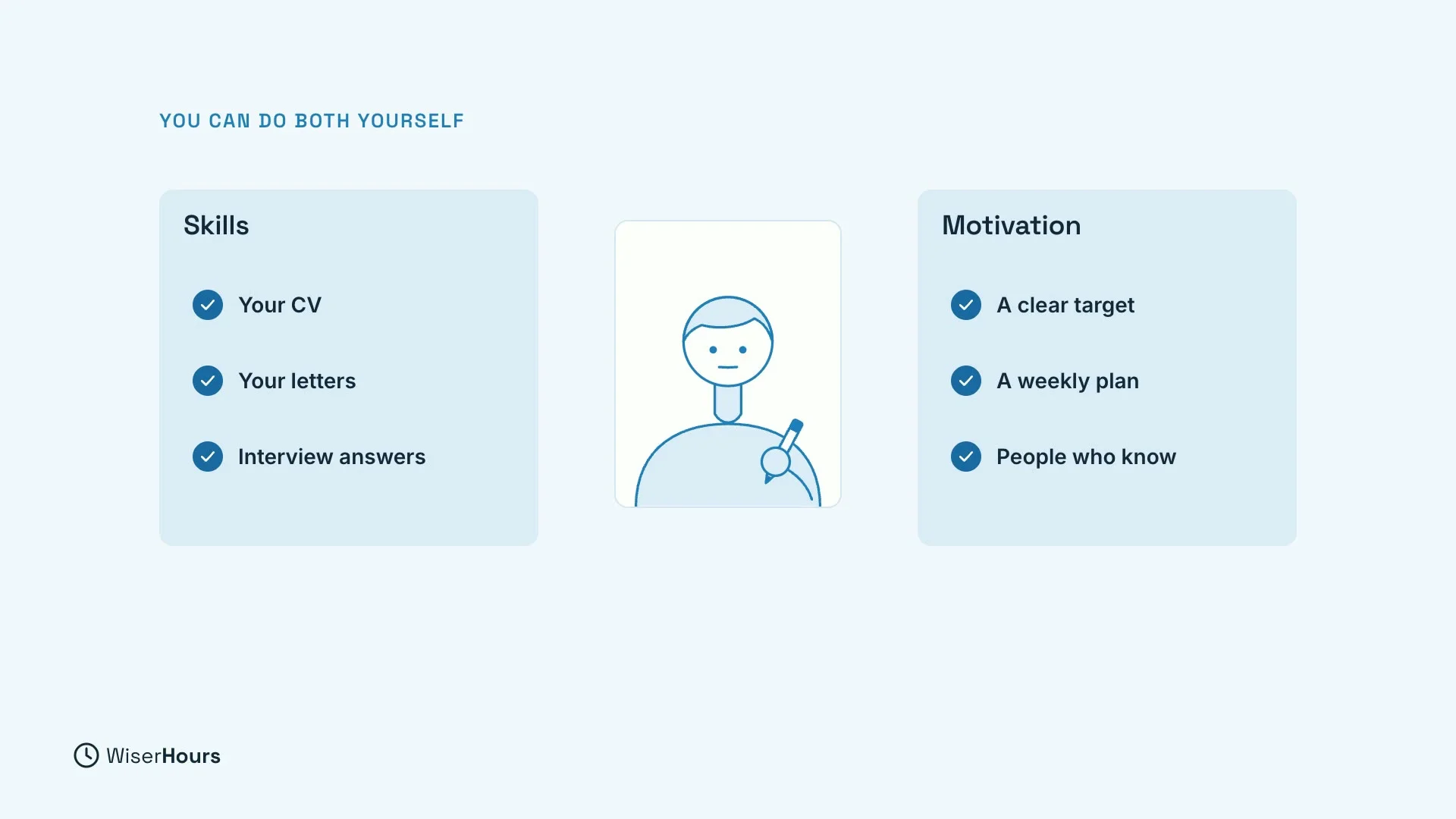
You can do both yourself. The skills part is your CV, your letters and your interview answers. The motivation part is a clear target, a weekly plan and people who know what you are looking for.
 (opens the full-size picture)
The map of this course
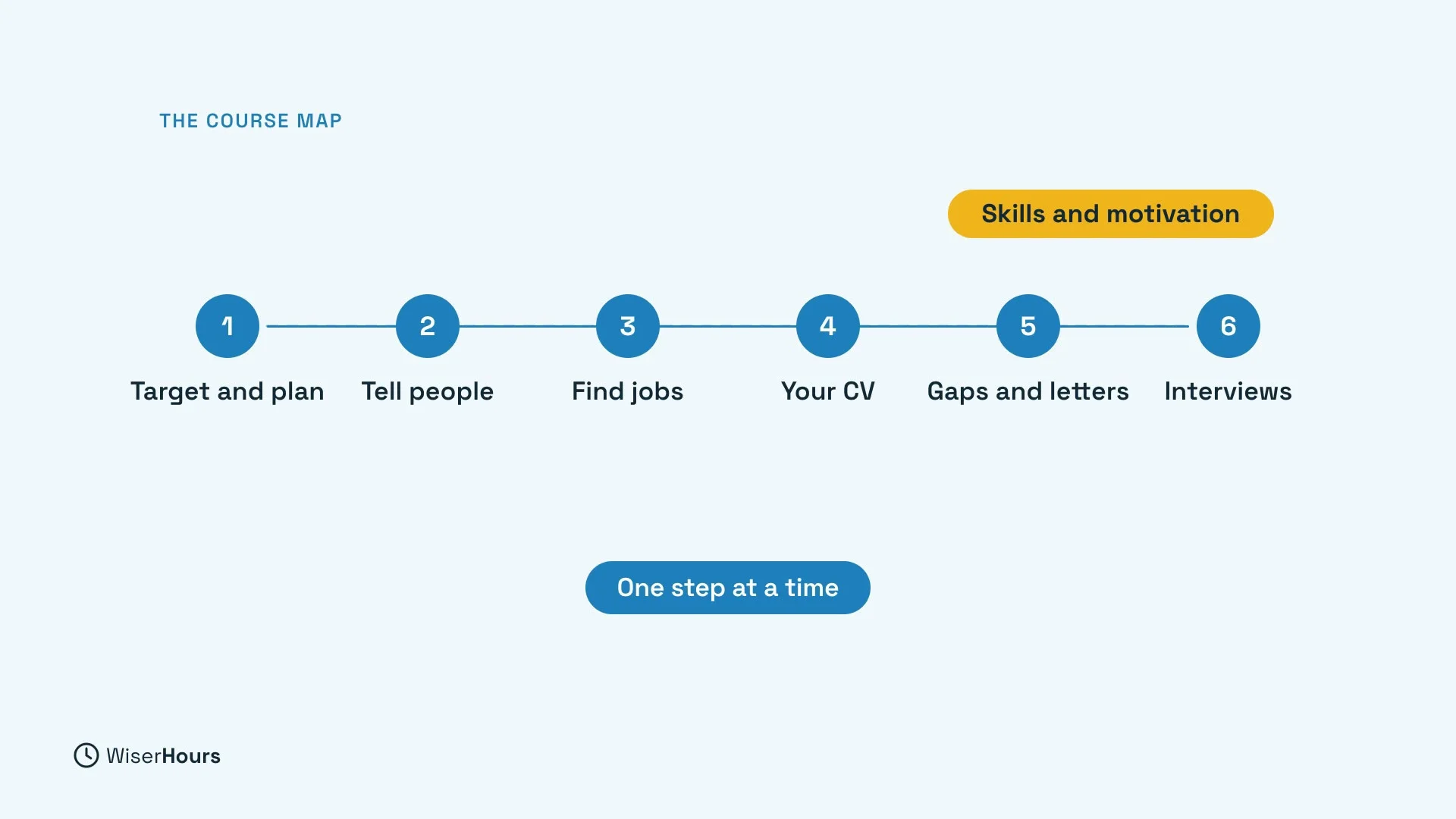
The course builds both parts in order: your target and weekly plan, telling people you are looking, where to find jobs, your CV, gaps and cover letters, then interviews.
 (opens the full-size picture)
YOUR TURN
Read more
- How to Start a Job Search: A Step-by-Step Plan: a longer walk through the first steps of a search.
- What Is Networking?: a practical definition for people who dislike the word, and part of the motivation side of a search.
Read the full video transcript
Welcome to How to Find a Job. In this first lesson, you will see how a job search really works, and why a simple plan does more than sending out more and more applications.
A job search usually takes months, not days. In the United States, for example, the typical person still looking for work had been searching for about 11 weeks. So plan for a steady walk, not a sprint.
Most applications will never get a reply. At one company that researchers studied, only about three in every hundred applications led to an interview. That is normal. It is not a judgment on you.
So should you just send more? Not really. Across many studies, searching harder was only a little linked to getting interviews and offers. And it did not lead to better jobs. So what is help? Researchers looked at 47 job search programs. The ones that worked taught practical skills, like presenting yourself in a CV and at interviews. And at the same time, they kept people going, with goals and support. Programs that did only one of the two showed no clear effect.
You can borrow that mix for your own search. The skills part is your CV, your letters, and your interview answers. The motivation part is a clear target, a weekly plan, and people who know what you are looking for.
In this course, you will build both, one step at a time. Your target and weekly plan. Telling people you're looking. Where to find jobs. Your CV. Gaps and cover letters. Then interviews, from preparing to telling a good story.
So expect months, not days. Don't judge yourself by the replies. And build skills and motivation together.
Before the next lesson, write one sentence. The kind of job you want next. Next, you will turn that sentence into a target and a weekly plan.
MAKE IT A SMALL WIN
Finished this lesson?
Mark it complete to save your progress on this device.