Time Management
How to Say No at Work Without Damaging Relationships
How to say no at work in 6 steps, and why research finds a refusal strains the relationship less than the person saying no tends to expect.
How to say no at work in 6 steps, and why research finds a refusal strains the relationship less than the person saying no tends to expect.
A 2025 review of 24 studies found wrist trackers misjudge sleep and wake time. What trackers get right, what they miss, and which symptoms need a doctor.
A RACI matrix shows who does, owns, advises on and hears about each task. How to build one in 6 steps, with examples and what the evidence says.
What is resilience? The psychology definition, why long-term studies find it the most common response to hardship, and what 6 decades of research leave open.
Four-day work week trials, from 61 UK firms to Iceland's public sector, found staff felt better. What they measured, what they missed, and why.
Sleep debt builds night by night. In lab trials, 1 long night or a weekend of lie-ins repaid only part of it. What recovery really takes.
Structured interviews explained: the 15 components of structure, how much you need, how to write questions and rating scales, and US and British rules.
Perfectionism has 2 sides: very high standards, and fear of mistakes with harsh self-judgment. Research ties the second far more closely to distress.
A manager's guide to employee onboarding from before day one to day 90, built on research into role clarity, confidence and feeling accepted.
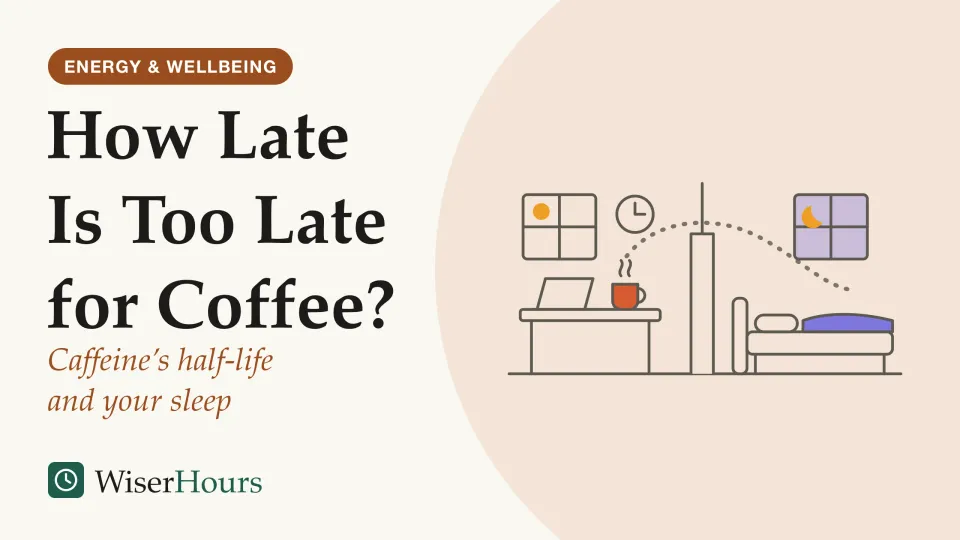
Caffeine's half-life is about 3 to 7 hours in adults, so an afternoon coffee is still working at bedtime. How dose, timing and your body set your cutoff.
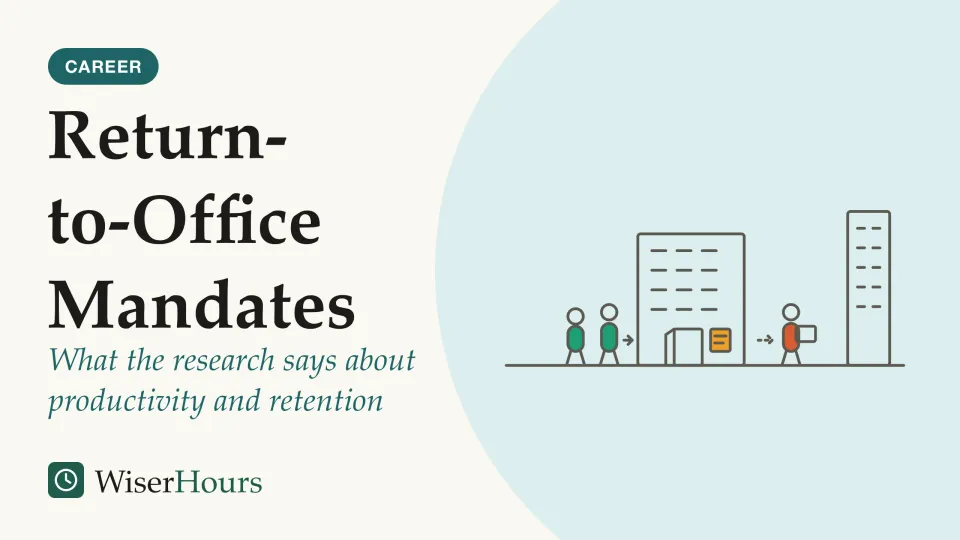
Studies find no clear gain in firm performance after return to office mandates; a 2024 trial found two home days a week cut resignations by a third.
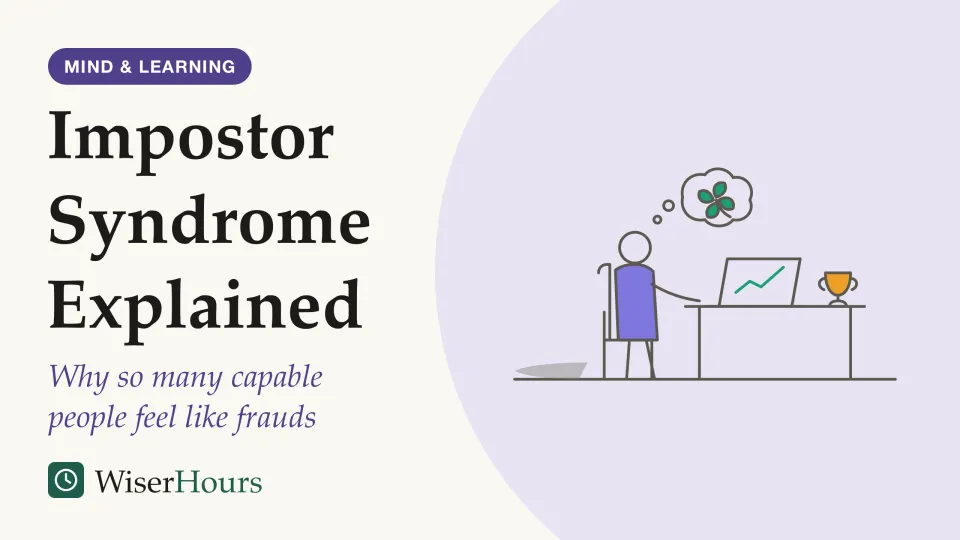
Impostor syndrome was named in 1978 and is not a diagnosis. What the research shows about who feels like a fraud, why success fails to help, and what does.
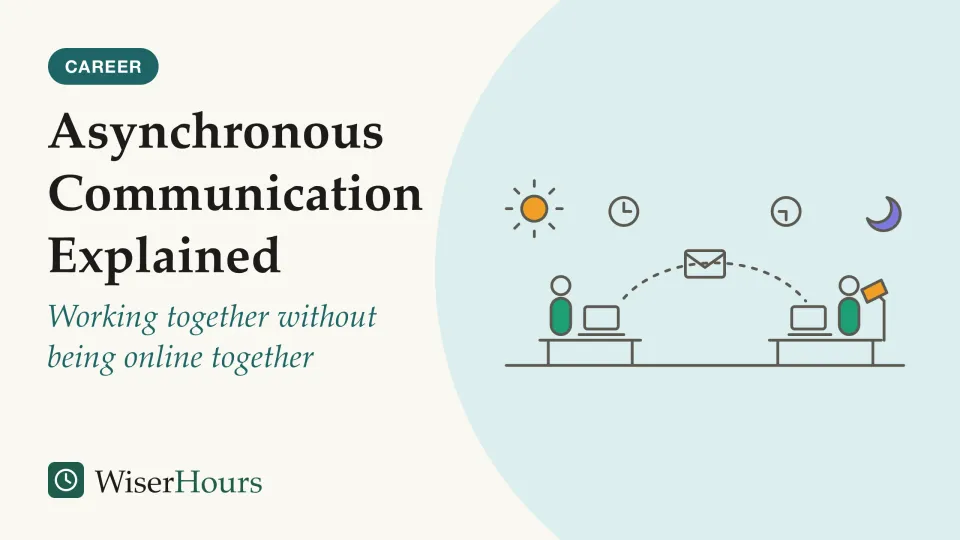
Asynchronous communication means replies can wait. Remote work shifted over 61,000 US Microsoft staff toward it, a study estimated. When to write or talk.
How much do gig workers make after costs? What US studies and New York City data show, from the MIT driver-pay correction to the city's $22.13 pay floor (2026).
The Scrum Guide caps sprint planning at 8 hours for a one-month sprint. How to set a sprint goal, size the work and finish well inside that limit.
4 steps for remembering names, built on the best-tested one: recall a new name to yourself soon after you hear it, then again after longer gaps.
Slide design for non-designers: 6 principles from learning research, from cutting decoration to labeling charts directly, and where the evidence is thin.
Freelancing on the side while employed: 4 checks on your contract, your employer's interests, tax and client terms, with US and UK rules as of 2026.
Scope creep is project work added without extra time or money. How it differs from approved change, why it happens, and a 5-step routine to control it.
4 mnemonics worth learning as a beginner, why they work, and where the evidence behind each one is solid, thin or surprisingly weak.
Filler words are normal: in one study, people made about 6 slips per 100 words, most often fillers like um. What they signal, when they hurt, how to cut back.