Loneliness Explained: What It Is, Why It Hurts, and How Common It Is
Loneliness is the gap between the connection you want and the connection you have. The WHO estimates 1 in 6 people feel it; here is how it is counted.
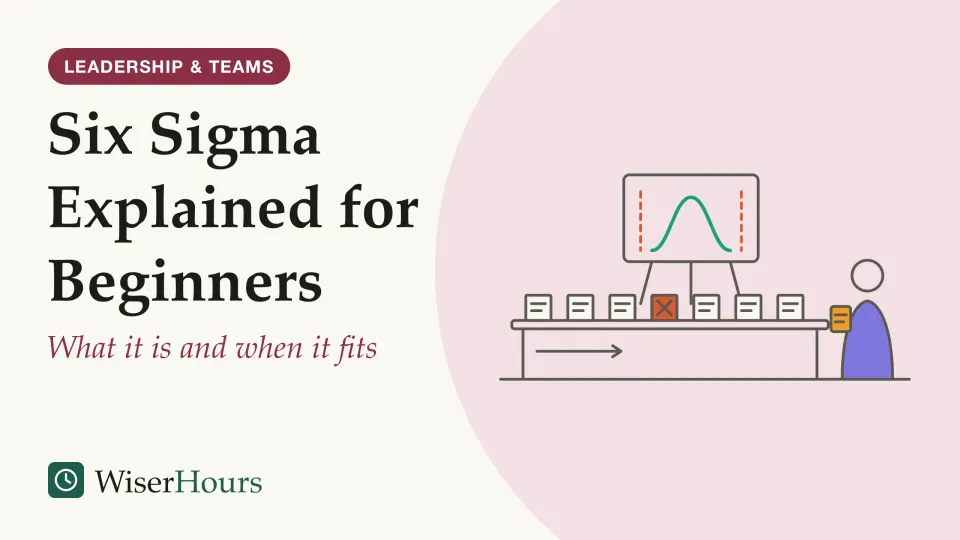
Six Sigma targets 3.4 defects per million chances, but its real content is a way to run projects. What it adds, what firm studies found, and where it fits.
Do brain-training games work? From a 2010 BBC trial to 20 years of US data, large studies find they train the game, not everyday memory.
Why checklists work: from a 1935 bomber crash to a 19-item surgical checklist, the evidence suggests real use matters more than having a list.
Identify your core values in 6 steps: mine your hard choices, name and rank your values, write your reasons, and turn each value into a goal.
Root cause analysis step by step: the tools, why five whys falls short, and the fix teams skip. In one review, 2 of 21 studies could partly show a safety gain.
The 10,000-hour rule began as an average from one 1993 violin study. Later research finds practice matters but explains far less than the rule implies.
The 80/20 rule tested against real data on software bugs, grocery sales and health spending: where the pattern holds, where the ratio breaks, how to use it.
How to calculate net worth in 5 steps, with a worked example, and why the US Fed and the UK's ONS disagree on whether pensions belong in it.
A daily stand-up earns its 15 minutes when teammates plan today and raise blockers instead of reporting yesterday. Six steps from research on real teams.
Adults can learn a language well, but slowly: US government trainees study 24 to 88 weeks full-time. Five research-backed steps, and what apps can do.
Personal kanban's 2 rules, show your work and cap what is in progress, explained with the research on why fewer open tasks finish sooner.
How dividend income works: the 4 dates that decide who is paid, why share prices fall by about the payout, and how steady dividends stay when profits fall.
Cost of meetings, step by step: attendees times hourly pay plus benefits times hours, plus prep and recovery. Six people for an hour: about $400 (US, 2026).
The Feynman technique in 4 steps: explain a topic aloud in plain words, find where you stall, then fix it. What research on learning by explaining supports.
How to organize computer files in 6 steps, based on studies of how people find their files: shallow folders, one per project, and an archive.
Does money buy happiness? From the $75,000 plateau of 2010 to the 2023 truce: what income studies, lottery winners and the Easterlin debate show.
Delegation is hard because work you shaped looks better to you and control feels good in itself. 5 habits drawn from the research help managers let go.
Groupthink is a group's wish to agree overriding its judgment. Janis's 8 warning signs, the Bay of Pigs and Challenger, and what research says prevents it.
How to let go of sentimental items in 4 steps: photograph the memory, box the hard cases, choose who gets each, keep a few in view.
The disposition effect, named in 1985, is the pull to sell winners too soon and hold losers too long. Why it happens and 2 fixes that worked in lab tests.