Book Summaries & Big Ideas
Why We Sleep by Matthew Walker: What It Gets Right and Wrong
The Why We Sleep book, claim by claim: what a 2019 critique, Walker's own replies and later reviews show about short sleep, cancer, death and one chart.
The Why We Sleep book, claim by claim: what a 2019 critique, Walker's own replies and later reviews show about short sleep, cancer, death and one chart.
Rewards get people moving; interest and personal value keep them going. What 4 decades of research on intrinsic vs extrinsic motivation found.
An FI number is often estimated as the yearly spending gap times 25. Where that comes from, and why US estimates for a 40-year retirement point nearer 30.
The popular claim is half to twice a salary. Published case studies point lower for most jobs. How to estimate turnover costs for your own team in 5 steps.
A Thinking, Fast and Slow summary checked against later replications: its research on choices holds up, while chapter 4's priming studies did not.
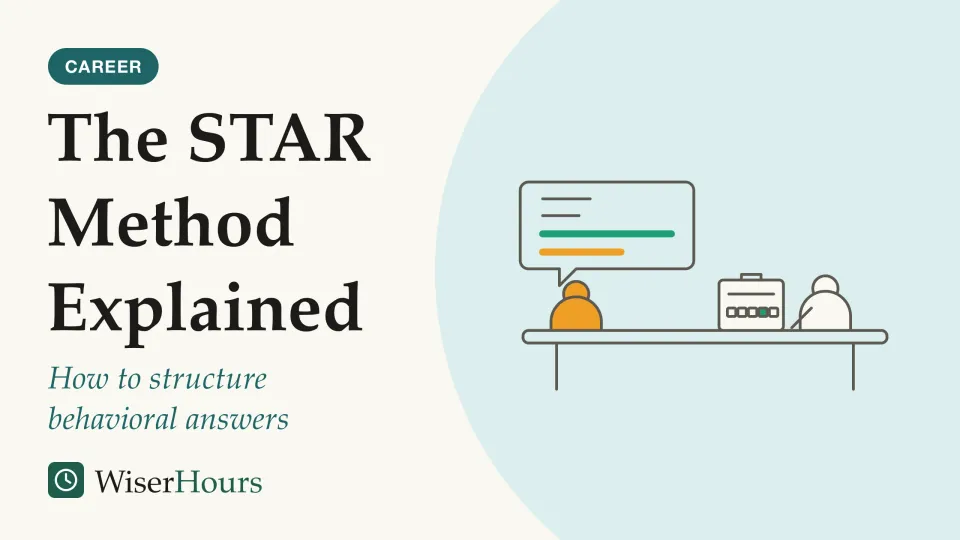
STAR, which DDI says it introduced in 1974, mirrors how structured interviews are rated. What each letter means and how to build an answer a rater can score.
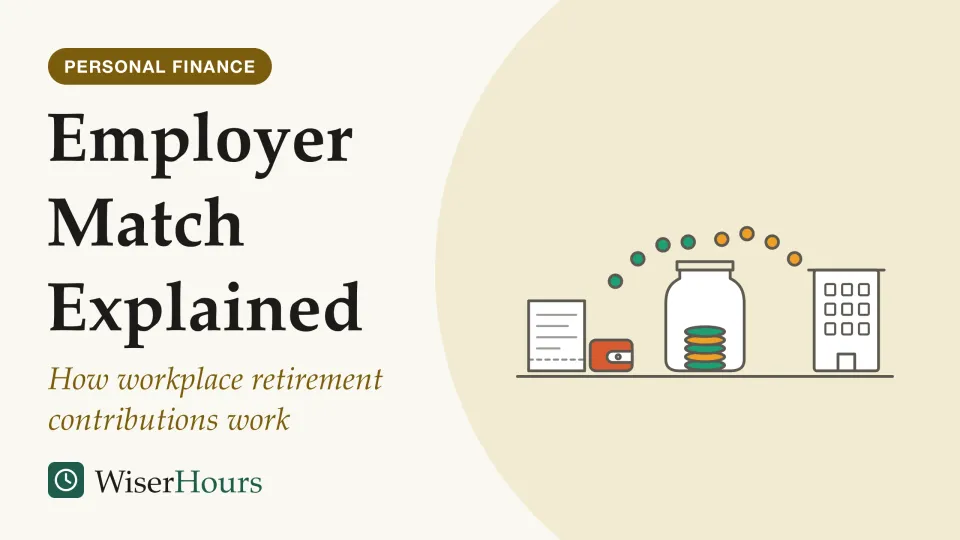
How an employer match works: a rate and a cap (50 cents per dollar on the first 6% of pay is one common US formula), vesting, true-ups and the UK minimum.
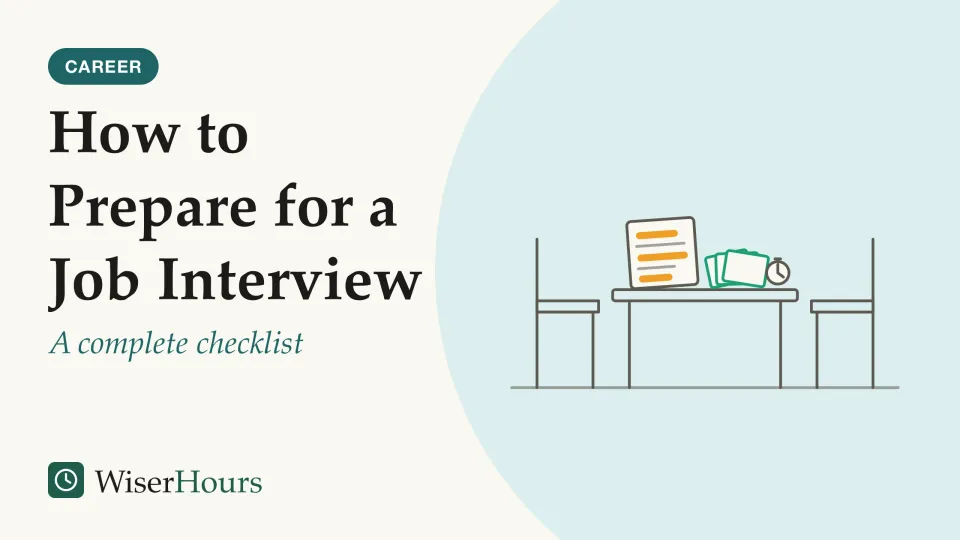
A 5-step job interview preparation checklist drawn from coaching studies, US federal hiring guidance and US and British rules on interview questions.
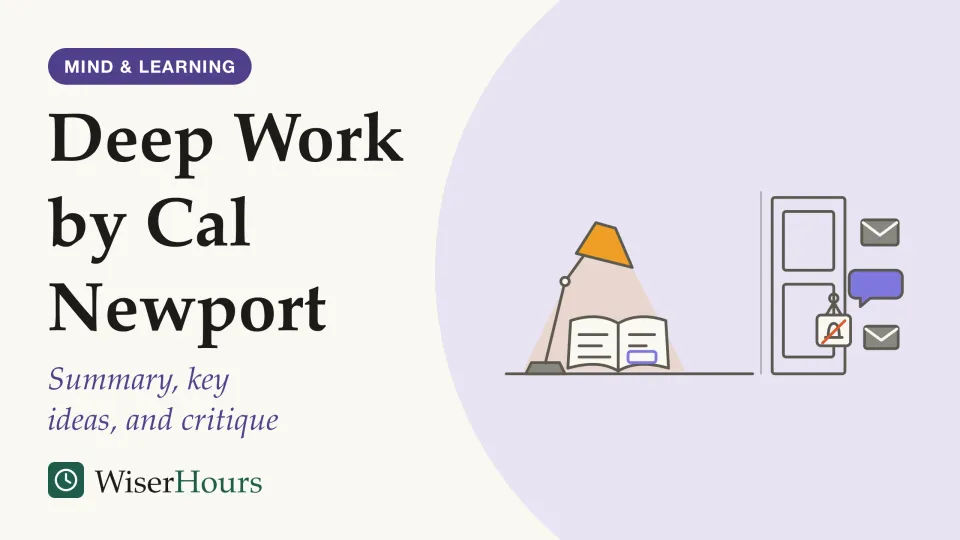
A Deep Work summary and critique: Cal Newport's 4 rules, what field studies of protected work time support, and where the book's evidence runs thin.
How to build a morning routine you'll keep: 5 steps from habit research, and why the kind of cue you pick matters less than meeting it every day.
The 10,000-step goal began as a 1965 Japanese pedometer's name. A 2025 review of 57 studies found the steepest gains up to about 5,000 to 7,000 steps.
A habit tracker helps you repeat an action, yet use fades: in one French study, 16% still used a tracker after 320 days. What works, and which kind to pick.
Formulas, macros and scripts explained, with 5 steps to automate a spreadsheet safely, and why close audits find errors in most working sheets.
How to build an exercise habit: the WHO target is 150 minutes a week, but start far below it, make starting automatic and plan how you come back after a miss.
The FDA, EFSA and Health Canada set 400 mg of caffeine a day as a ceiling for healthy adults, not a target. Pregnancy, teens and some conditions call for less.
SMART goals explained letter by letter, with 20 examples, where the 1981 acronym came from, and why goal research says aim higher than realistic.
What robotic process automation is, how attended and unattended bots differ, where RPA fits, and where the 30-50% failure figure comes from.
The claim that 80% of New Year's resolutions fail by February traces to no study. What follow-ups of real resolvers found, and what helps.
Does exercise give you energy? Randomized trials say yes on average, by a modest amount that builds over 6 weeks or more, with one key exception.
How to create a five-year plan in 5 steps that expect you to change: set a direction, test it against several futures and detail only the first year.
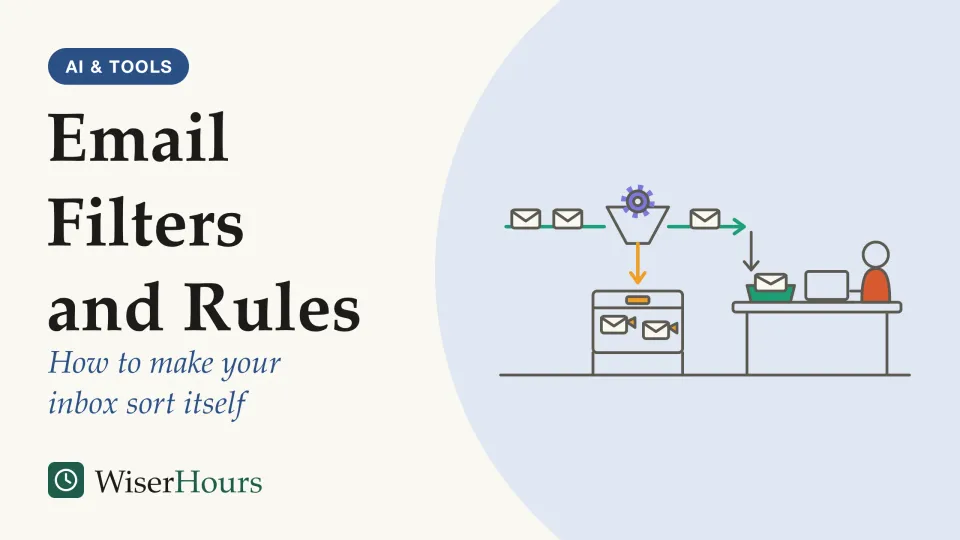
How Gmail filters and Outlook rules work, why a few routing rules beat deep folder trees, and 5 steps to set them up and test them safely.