Build the habit · Lesson 4 of 10
Automate Your Saving: Set a Payday Transfer Once
Set up a regular transfer on payday, leave a buffer, and give the money a name so saving happens by itself.
 Video coming soon
A saving plan that depends on deciding again every month is easy to drop. In this lesson you make saving automatic, so it happens without another decision. Like paying yourself first, this is a practical method, not a tested rule. It is general information, not financial advice.
Set it once
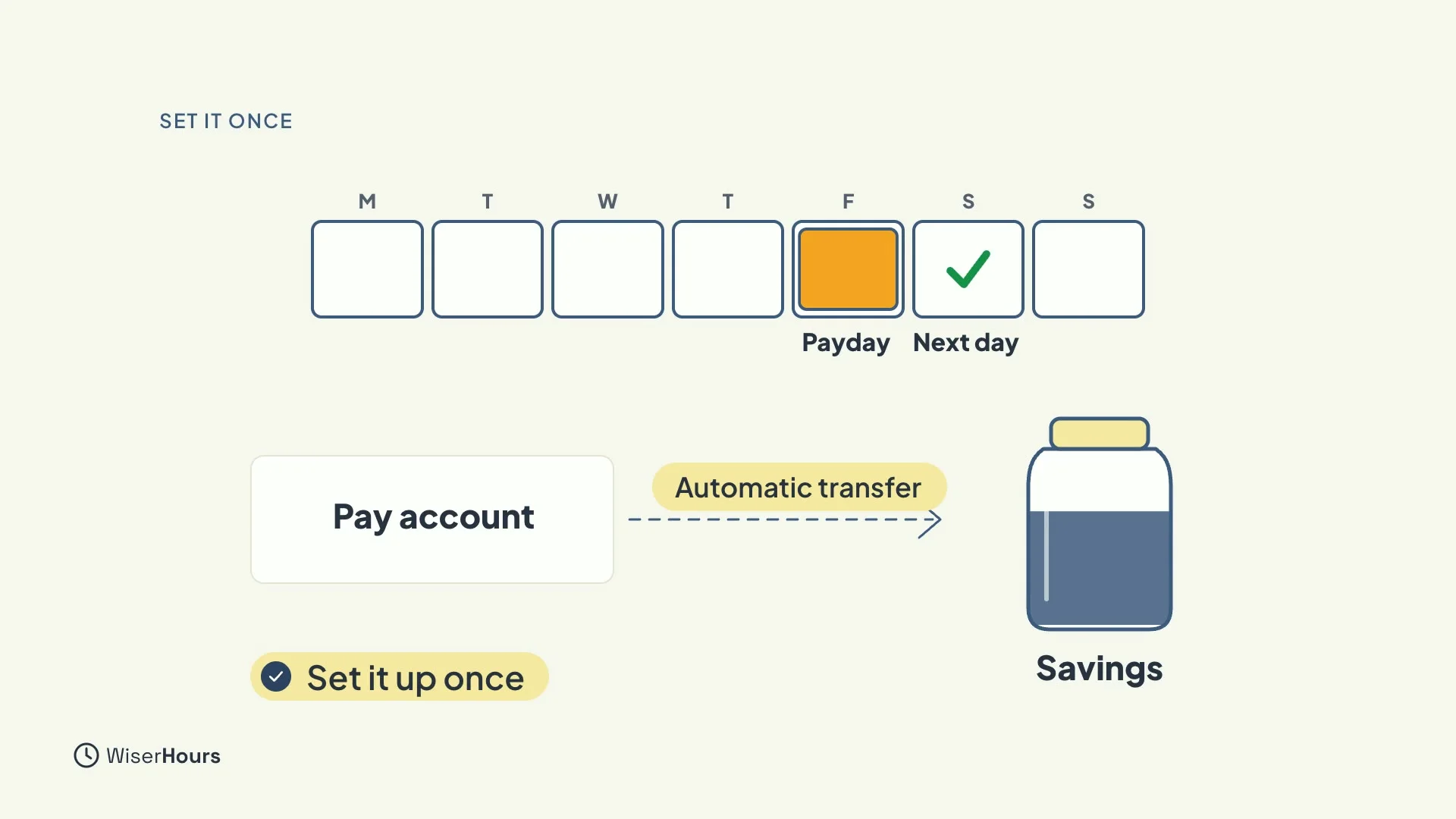
Set up a regular transfer to your savings on payday, or a day or two after your pay lands. Most of the work happens once, at setup. Then let it run. Your bank or app may call this a standing order, an automatic transfer or something similar.
 (opens the full-size picture)
Leave a buffer
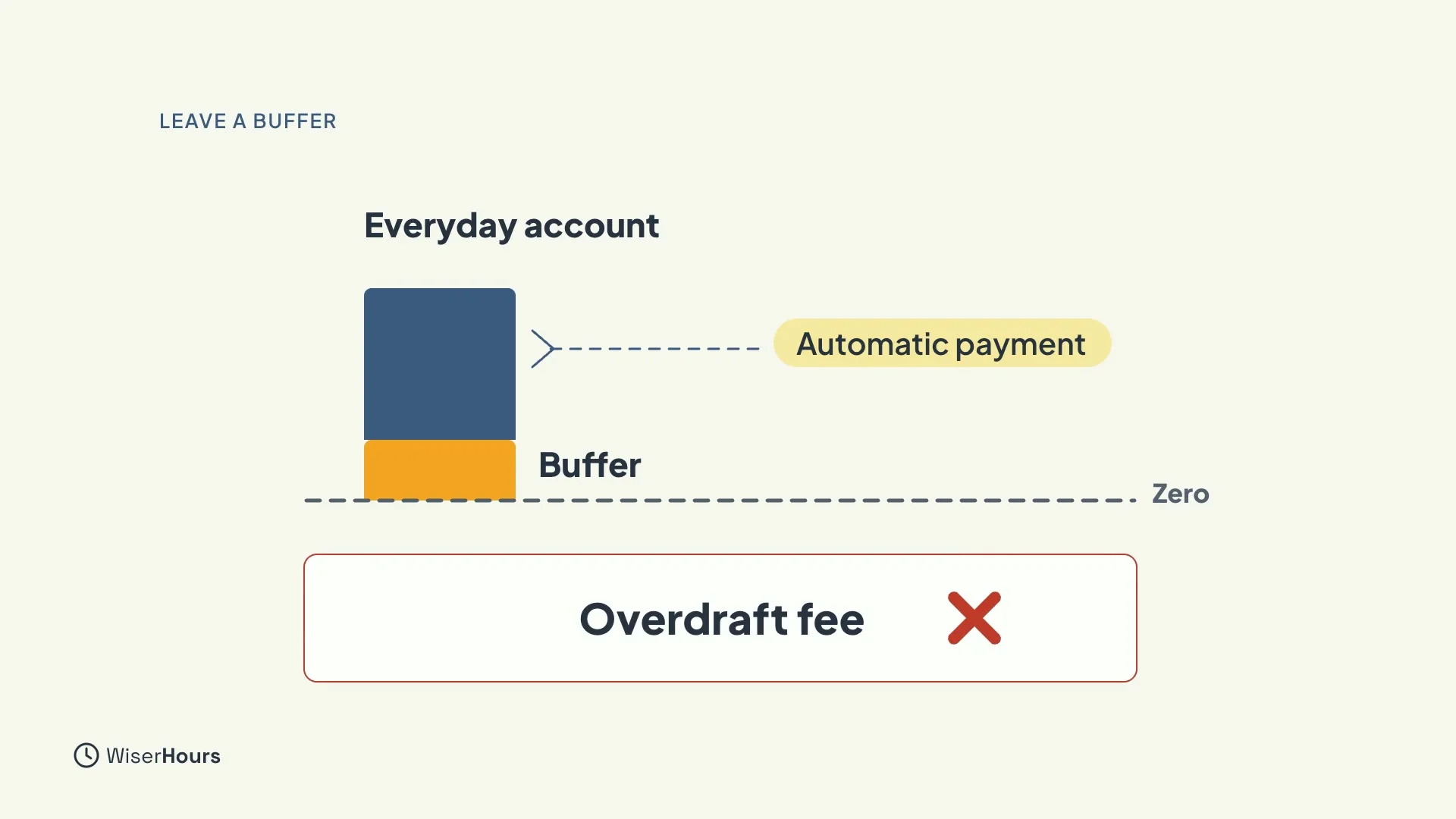
Leave a small buffer in your everyday account, so an automatic payment never pushes it into an overdraft and a bank fee. If you are new to this, a day or two after pay lands gives you time to see that the money has arrived.
 (opens the full-size picture)
Give the money a name
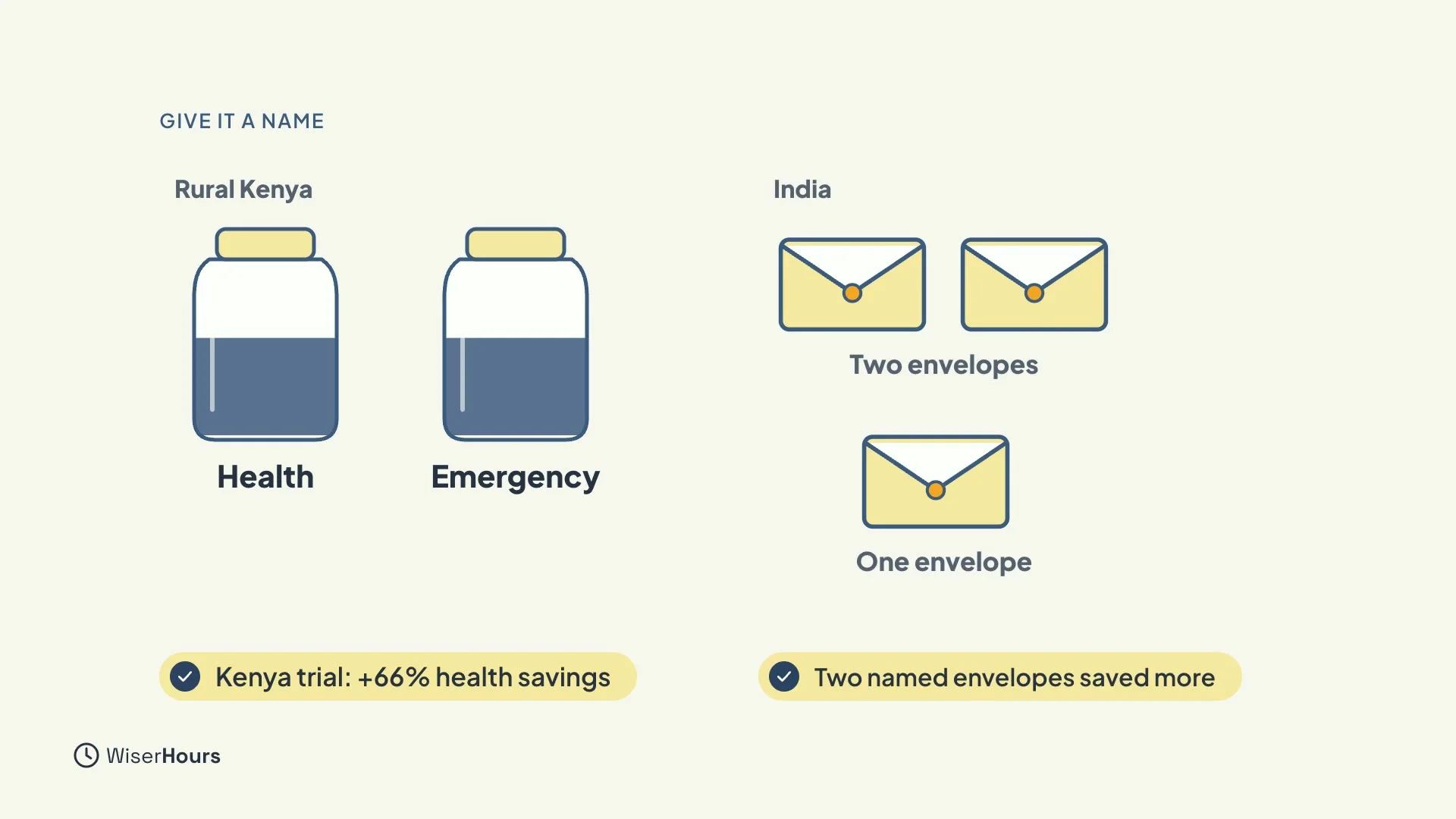
A separate, named place for the money helps. In a trial in rural Kenya, a safe place labeled for health costs raised health savings by 66 percent. And in India, workers whose savings were split into two envelopes saved more than workers with one. These are single trials in particular places, so take them as a hint, not a promise.
 (opens the full-size picture)
Locking money away
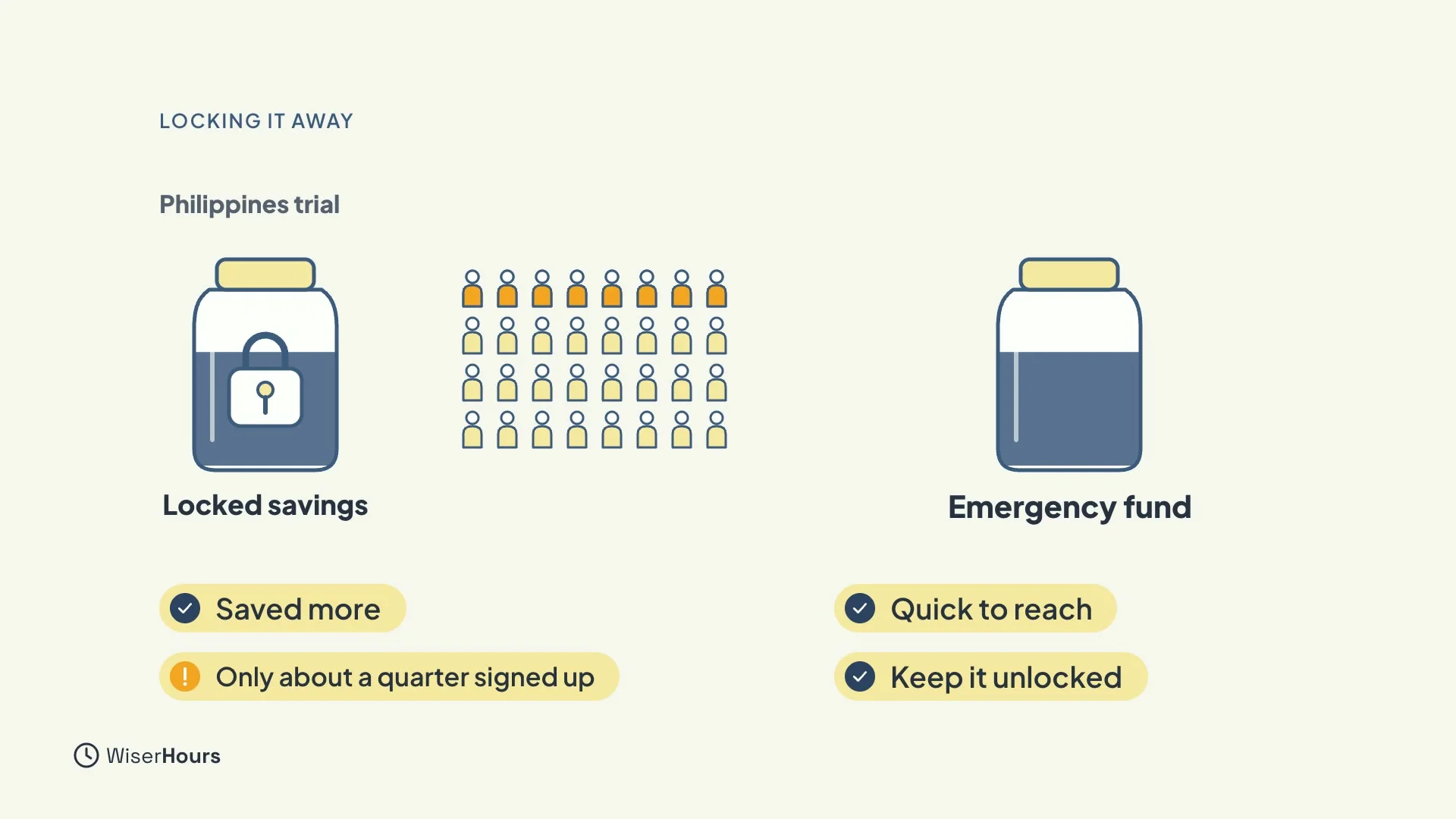
Some people go further and lock money away. In a trial in the Philippines, people offered an account they could not easily withdraw from had saved more after a year, but only about a quarter of them opened one. An emergency fund has to be quick to reach, so keep it unlocked.
 (opens the full-size picture)
Round-ups and streaks
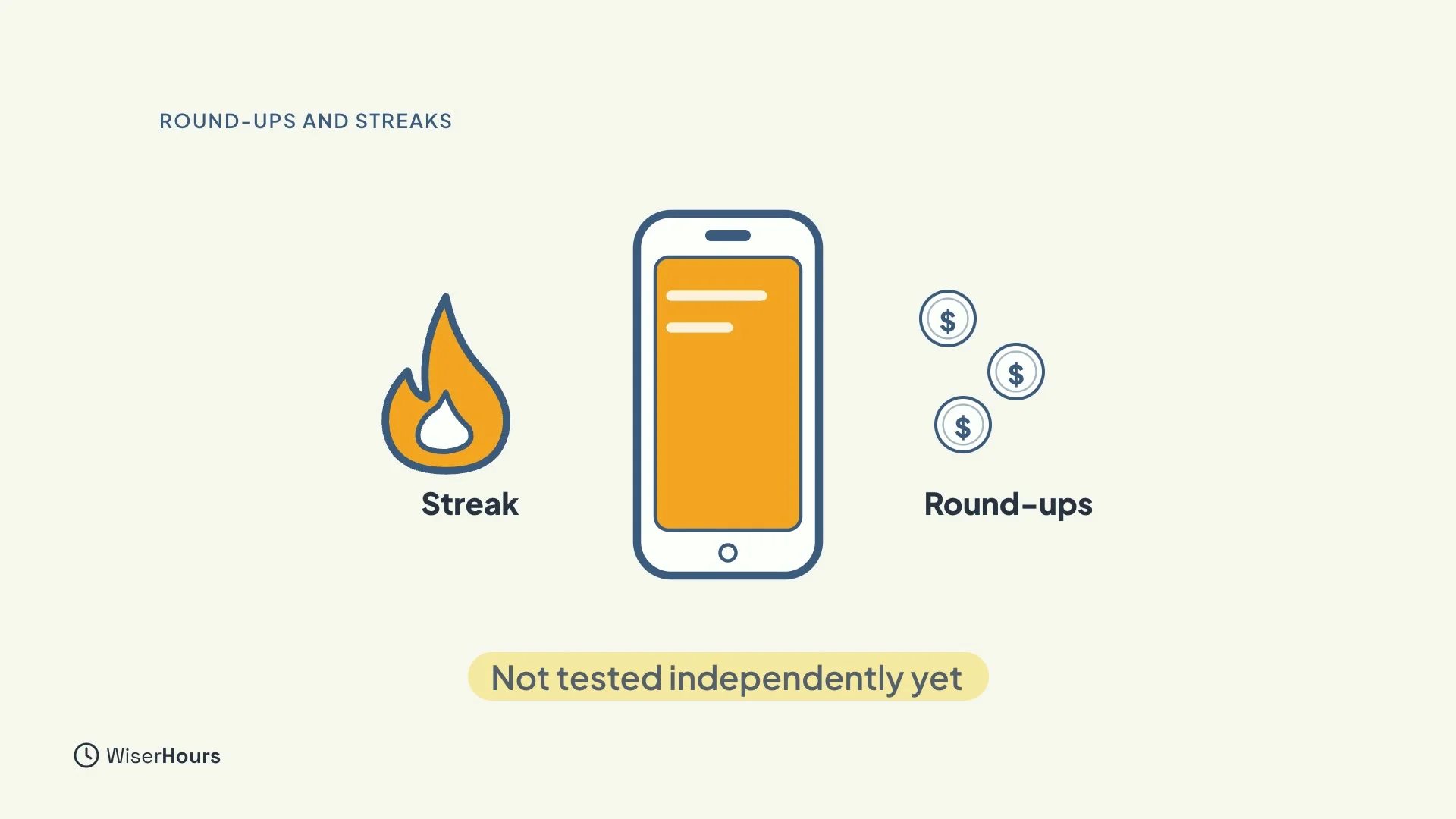
What about apps with round-ups and streaks? There are no independent trials yet showing that they help people save more. They may suit you, but do not count on them to do the work that a plain automatic transfer does.
 (opens the full-size picture)
Missing once
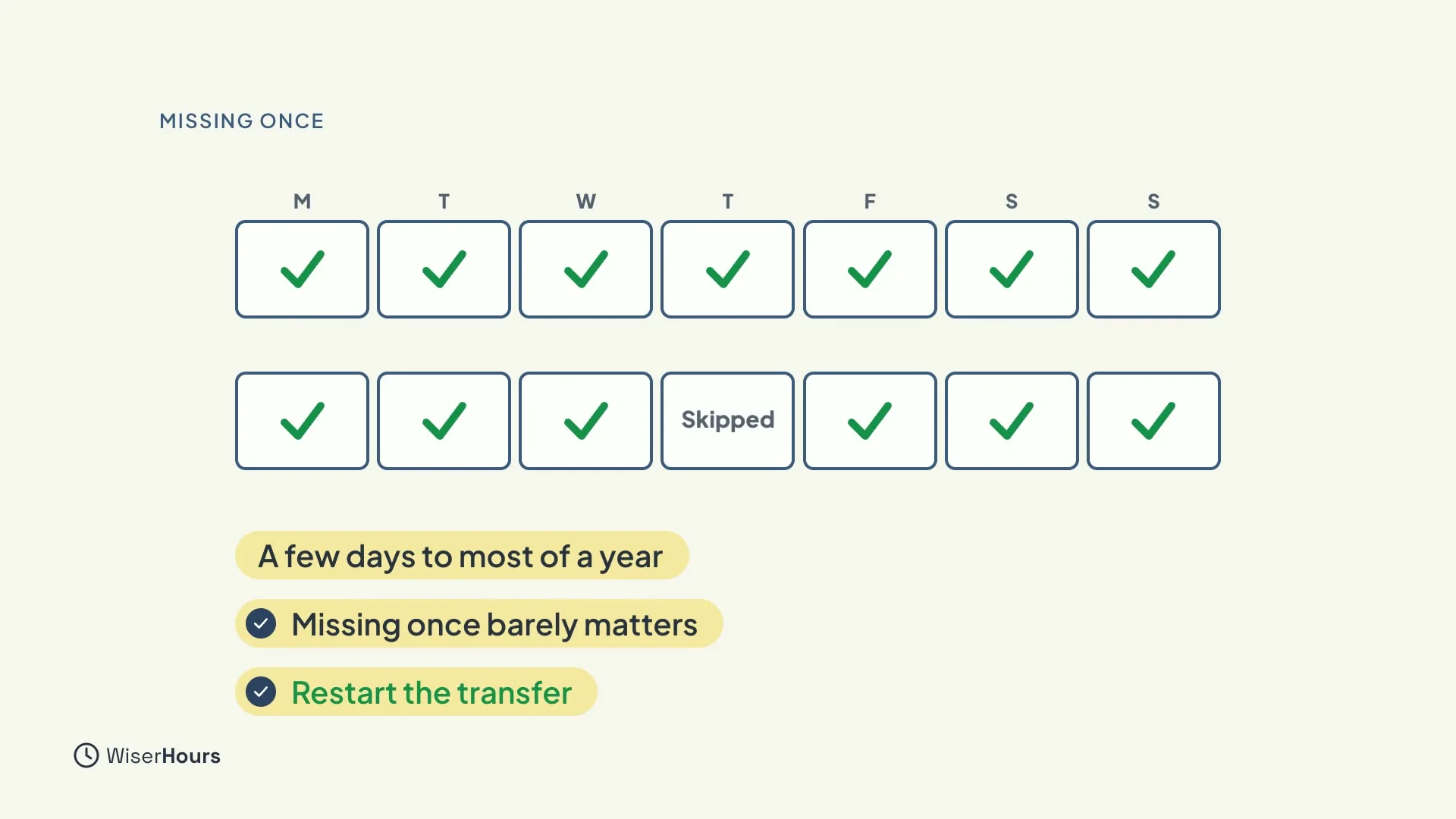
A new habit takes time. In one review, it took people anywhere from a few days to most of a year to form one. In that same review, missing a single day barely registered. So if a transfer fails or you skip one month, just restart it.
 (opens the full-size picture)
YOUR TURN
Read more
- How to Make a Budget: A Step-by-Step Guide for Beginners: automating a regular transfer on payday.
- Sinking Funds Explained: Saving Ahead for Expenses You Know Are Coming: named pots, standing orders and the field trials behind them.
- Delayed Gratification: How to Get Better at Waiting for What You Want: the locked-account trial and its limits.
- How Long Does It Really Take to Form a Habit? (It’s Not 21 Days): why missing once barely matters.
Read the full lesson script
In this lesson, you'll learn to make saving automatic, so it happens without deciding again every month.
Set up a regular transfer to your savings on payday, or a day or two after your pay lands. Most of the work happens once, at setup. Then let it run.
Leave a small buffer in your everyday account, so an automatic payment never pushes it into an overdraft and a bank fee.
A separate, named place for the money helps. In a trial in rural Kenya, a safe place labelled for health costs raised health savings by sixty-six percent. And in India, workers whose savings were split into two envelopes saved more than workers with one.
Some people go further and lock money away. In a trial in the Philippines, people offered an account they couldn't easily withdraw from had saved more after a year, but only about a quarter of them opened one. An emergency fund has to be quick to reach, so keep it unlocked.
What about apps with round-ups and streaks? There are no independent trials yet showing that they help people save more.
A new habit takes time. In one review, it took people anywhere from a few days to most of a year. Missing once barely matters. Just restart the transfer.
So remember: automate it on payday, leave a buffer, and give the money a name. Before the next lesson, set up one automatic transfer for your next payday. Next, you'll learn how big your emergency fund should be.
MAKE IT A SMALL WIN
Finished this lesson?
Mark it complete to save your progress on this device.