Build the habit · Lesson 1 of 10
Why Saving Feels So Hard (and What to Do About It)
See why saving is hard for almost everyone, and why a slip is a habit to fix, not a verdict on your character.
 Video coming soon
Saving feels hard for almost everyone, and that does not mean you are bad with money. This lesson explains four ordinary reasons why, so you can stop blaming yourself and start changing the things that actually get in the way. It is general information, not financial advice.
Before you start
This course is general information, not financial advice, and the right choices depend on your own situation. If your bills are already slipping, contact a free debt advice service in your country early, before you start any saving plan.
A treat now beats a balance later
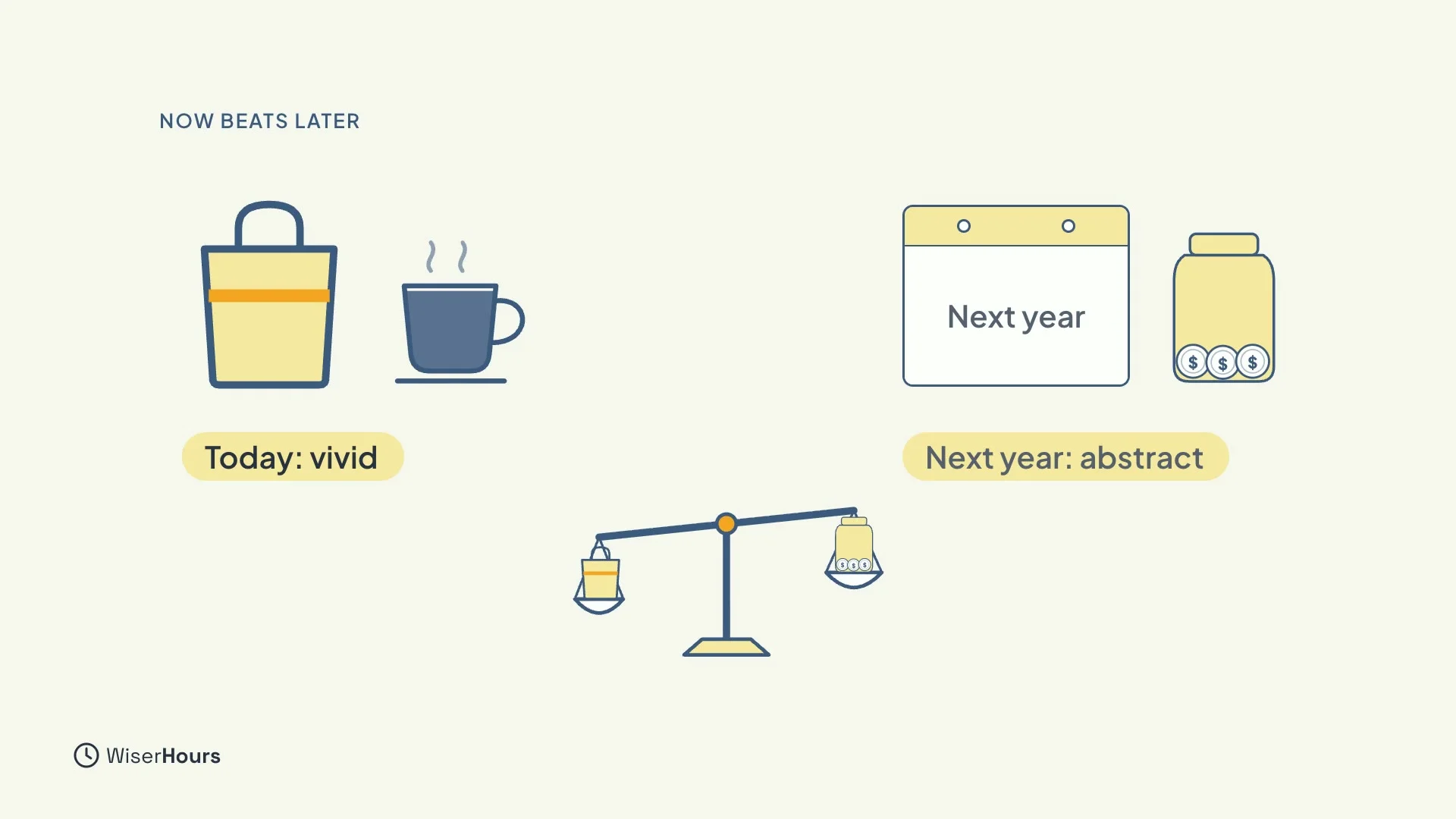
A reward in front of you feels vivid. A reward far in the future feels abstract. So a treat today usually beats a savings balance next year, even when you would happily choose the balance if you were deciding calmly.
 (opens the full-size picture)
Cues matter more than character
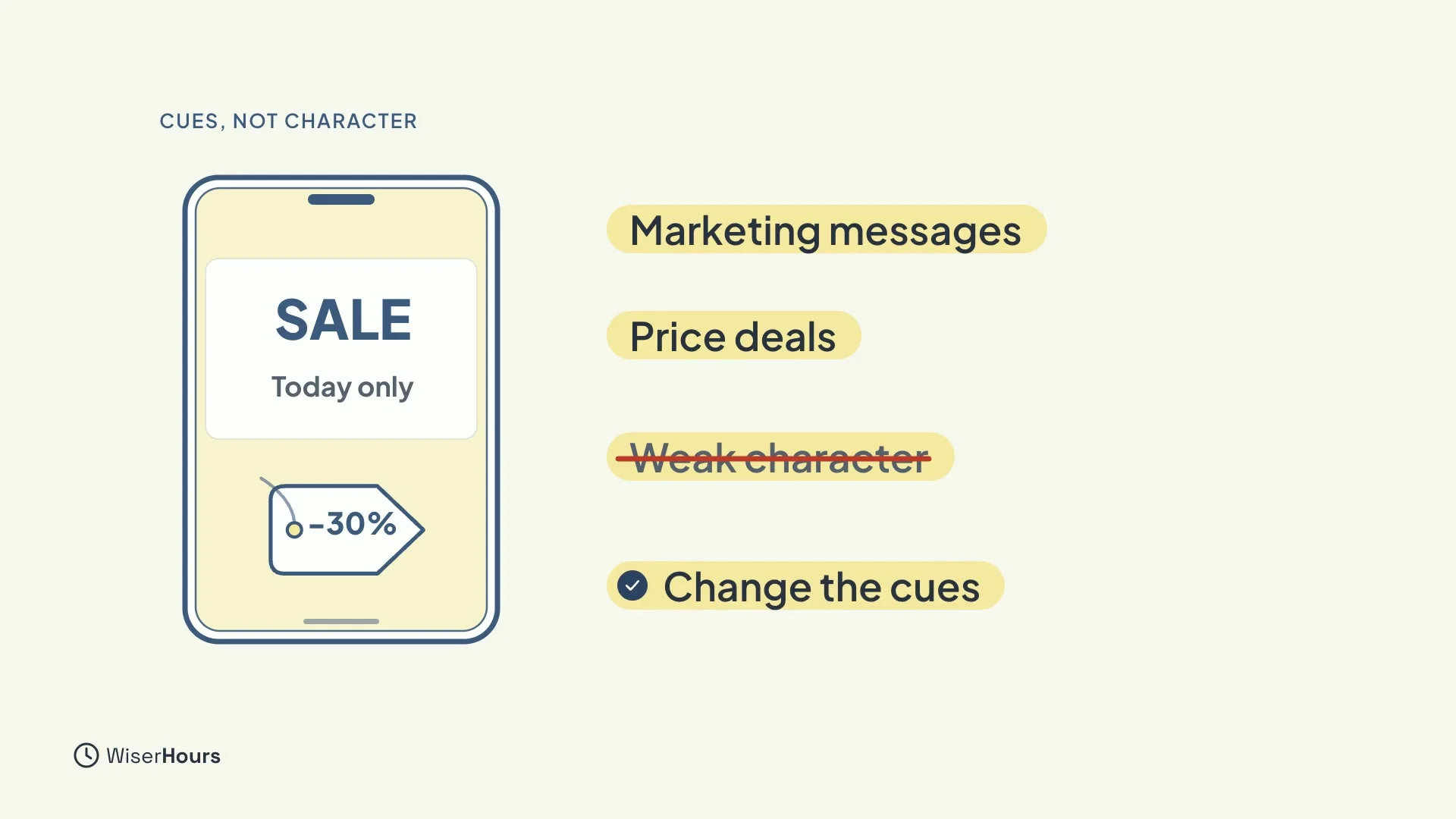
Spending urges are pulled by what is around you. In a large review of studies, mostly surveys, marketing messages and price deals were the outside cues most closely linked to impulse buying. Those are links, not proof of cause. Even so, they suggest the fix is often to change the cues you meet, not to try harder.
 (opens the full-size picture)
We guess our spending too low
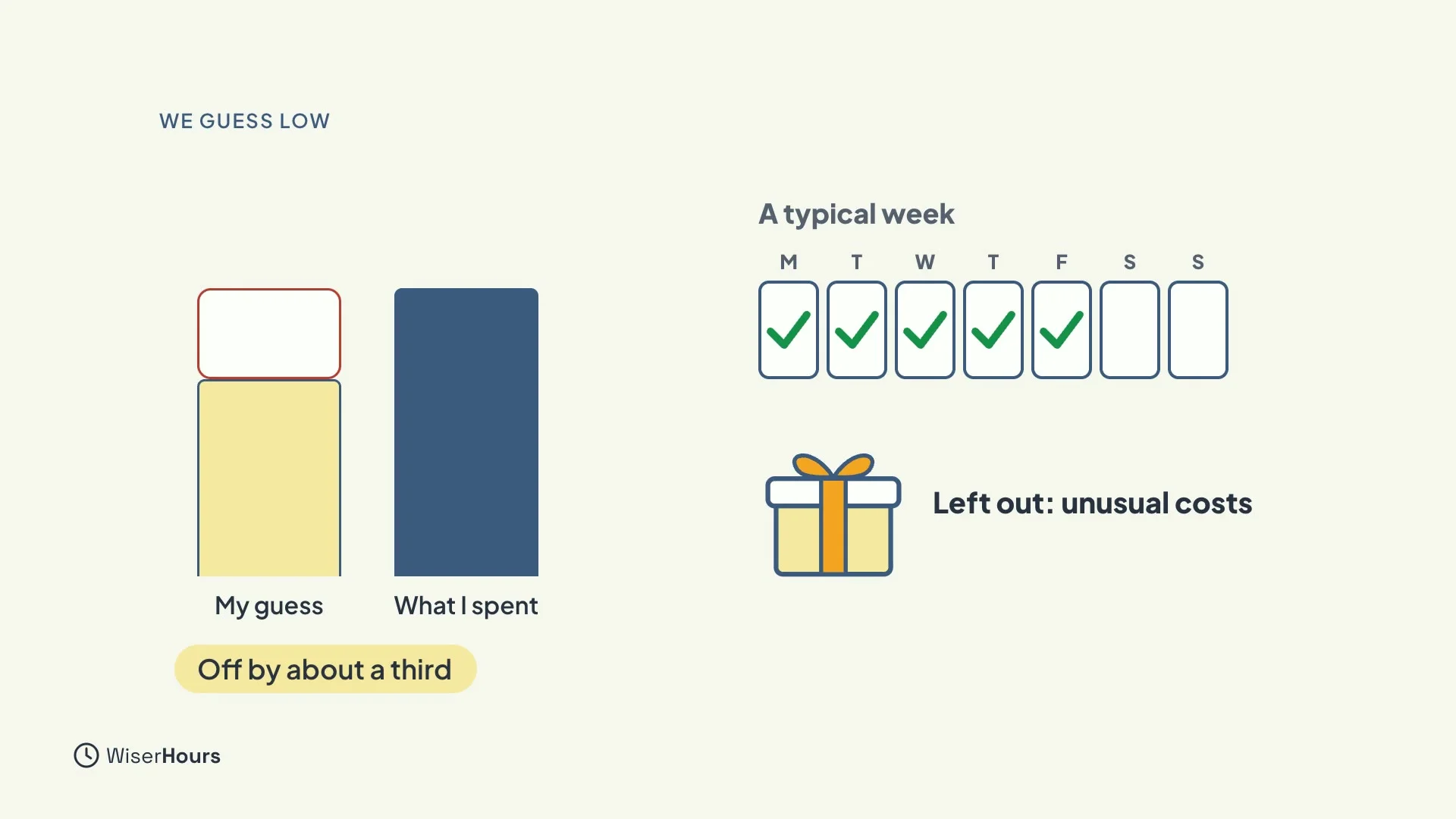
We tend to underestimate our own spending. We picture a typical week and leave out the unusual costs, like a gift or a one-off bill. In one field study, people’s guesses about their next week of online shopping were off by about a third. That study measured forecasts, not saving, but it shows why we often think more is left over than there really is.
 (opens the full-size picture)
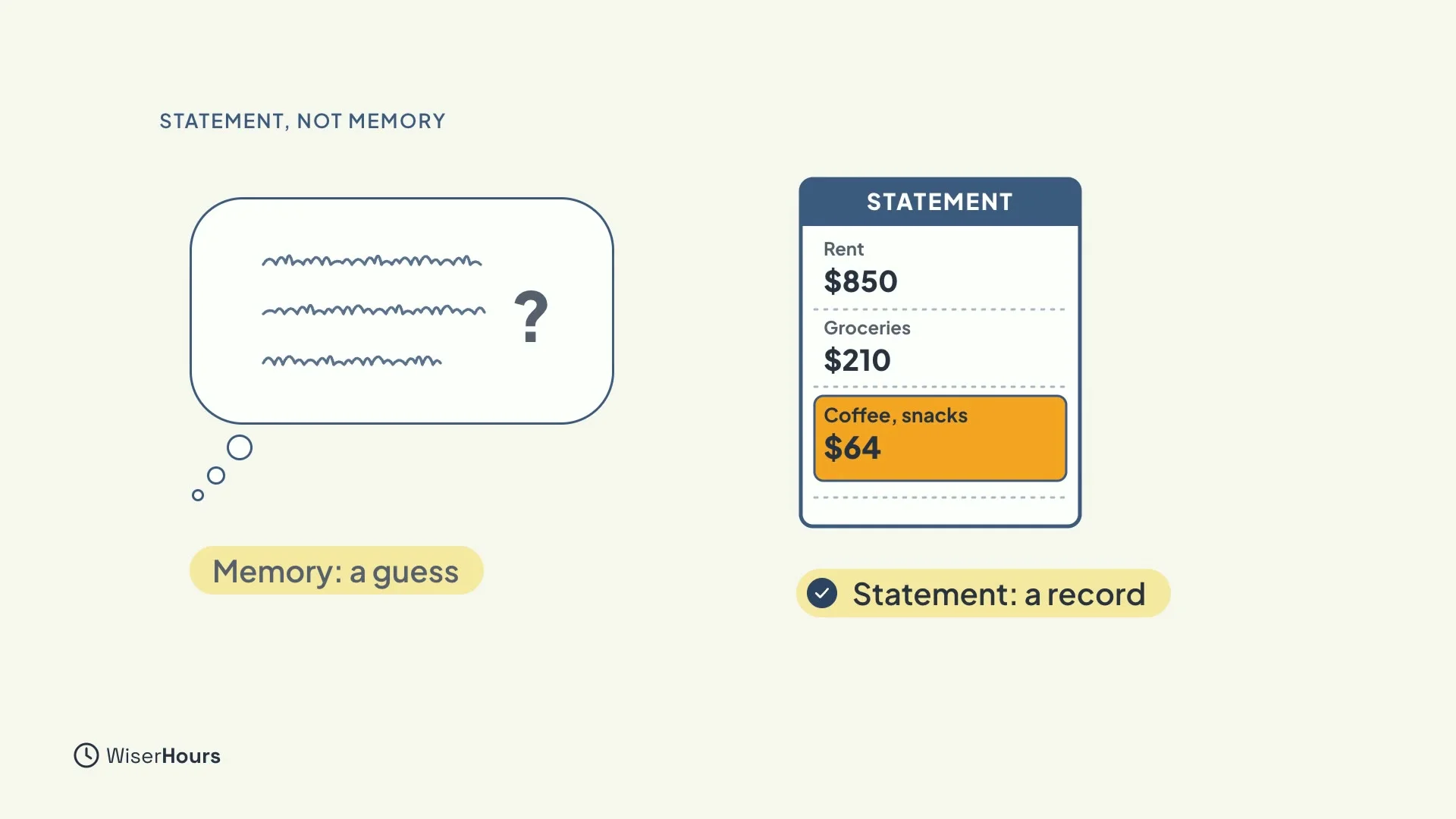
A statement is a record
Memory is a poor guide here too. Your memory of last month is a guess. Your statement is a record. That is why this course always starts from statements.
 (opens the full-size picture)
You are not alone
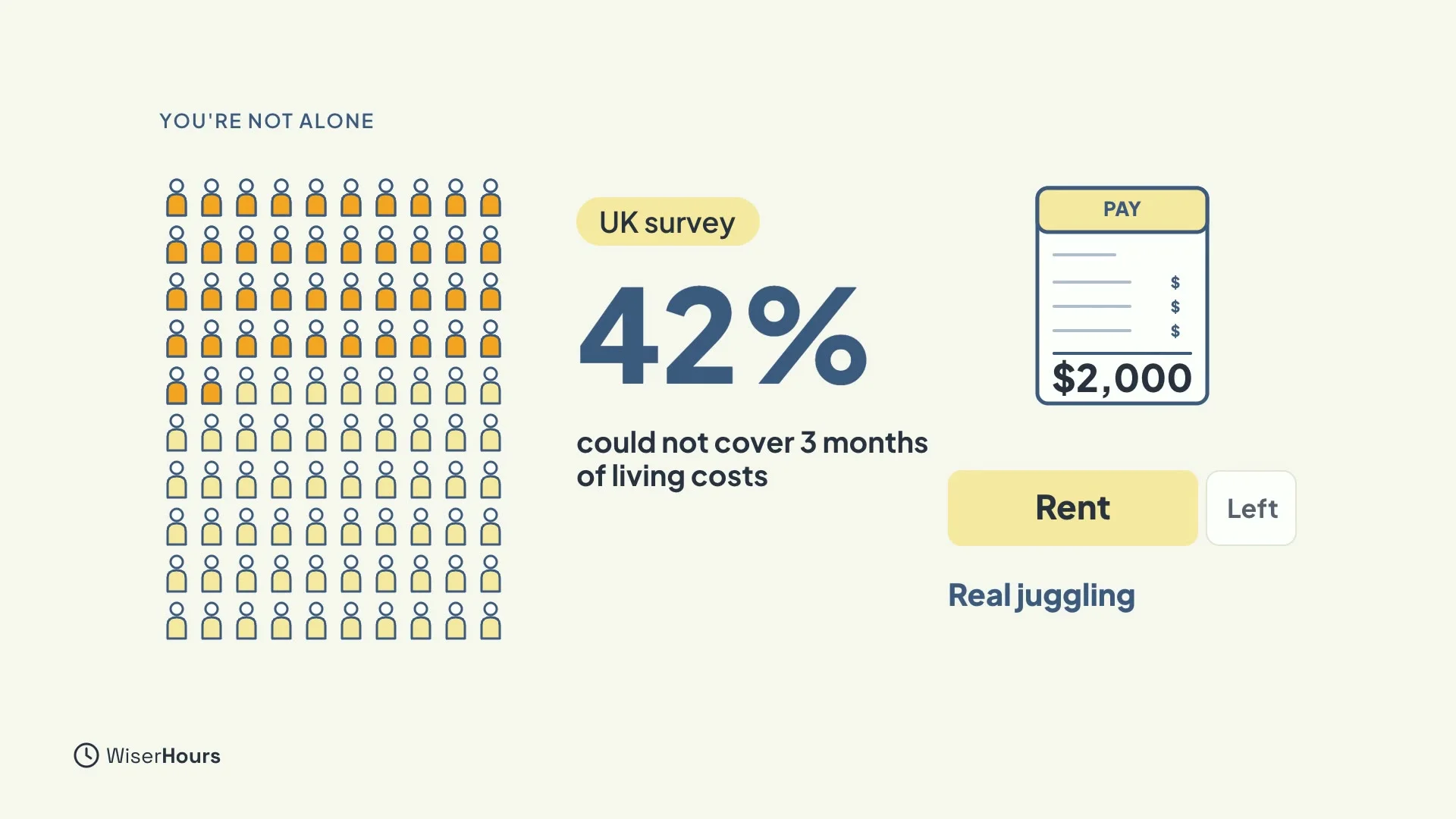
Many people have no cushion. In a large UK survey, 42 percent of adults could not have covered three months of living costs if their main income stopped. And a month when rent swallows most of your pay brings real juggling, whatever any lab study shows.
 (opens the full-size picture)
A habit, not a trait
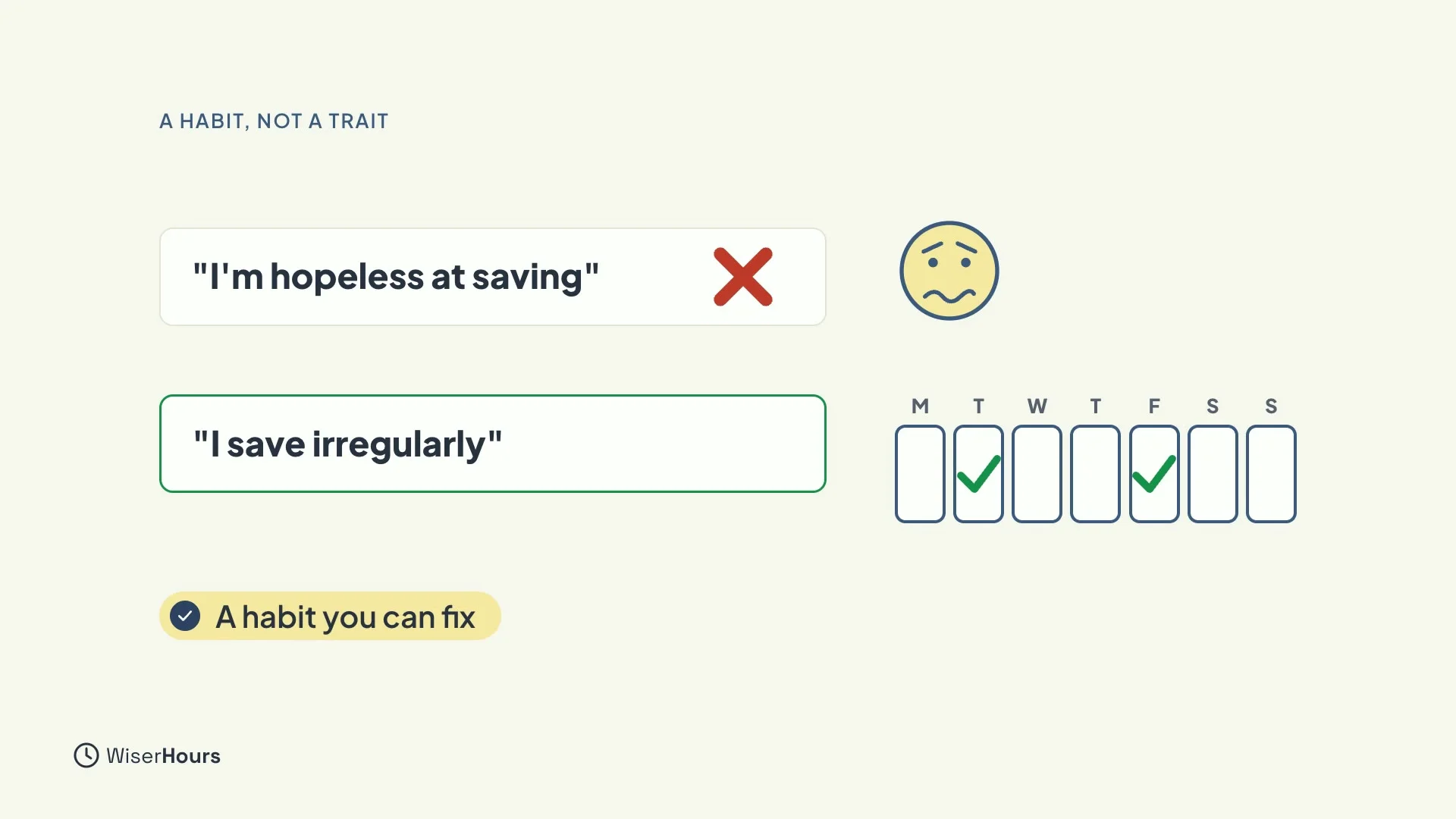
So stop treating a slip as a verdict on your character. “I’m hopeless at saving” usually means “I save irregularly,” and that is a habit you can fix, not a fixed trait. The rest of the course shows you how.
 (opens the full-size picture)
The road ahead
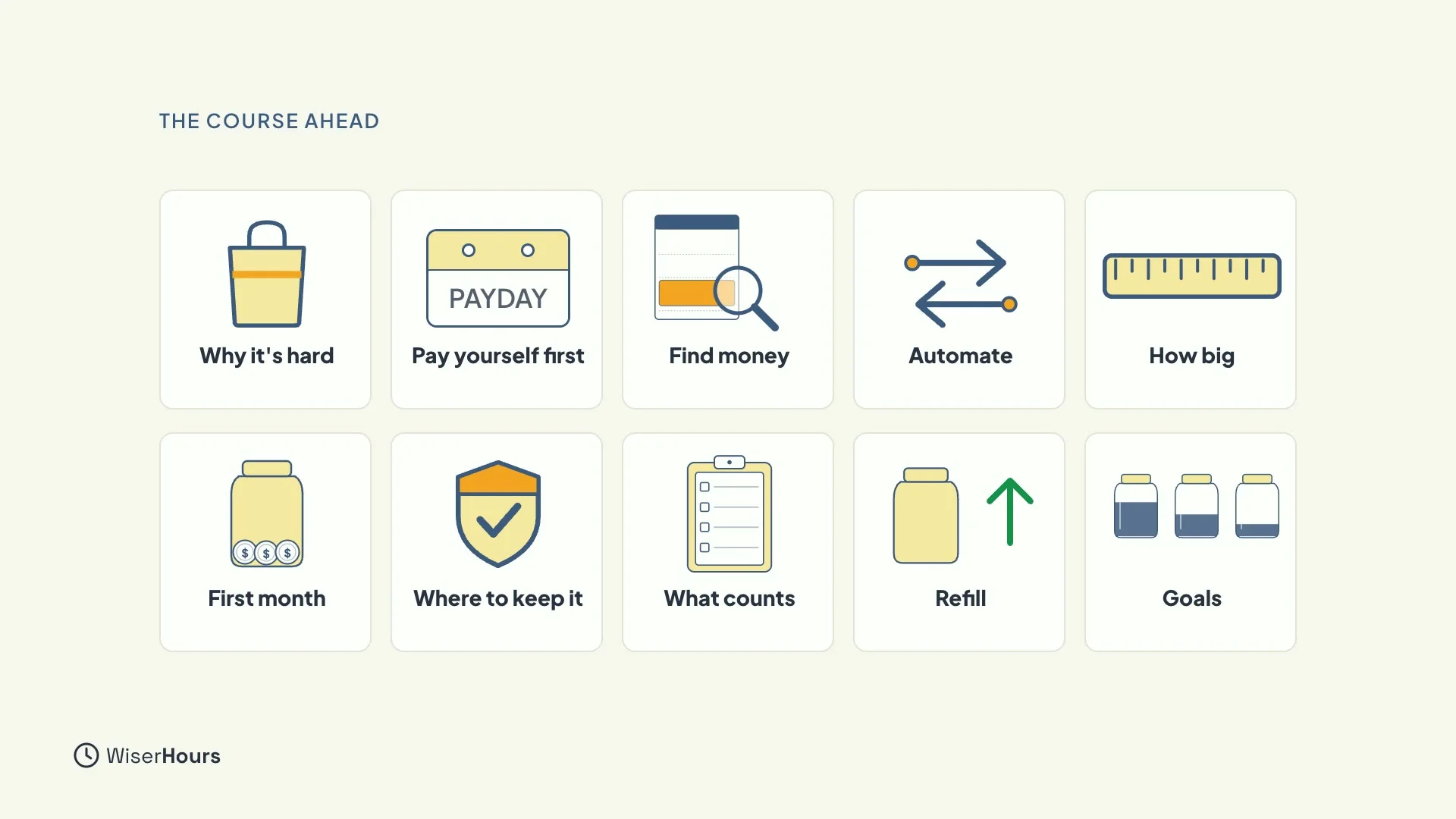
First you will learn to pay yourself first, find money in what you already spend, and automate your saving. Then you will size your emergency fund, start with a first month, and learn where to keep it. Finally, you will decide what counts as an emergency, how to refill the fund, and how to save for bigger goals.
 (opens the full-size picture)
YOUR TURN
Read more
- Delayed Gratification: How to Get Better at Waiting for What You Want: why near rewards win, and how to stop treating a slip as a verdict.
- How to Stop Impulse Buying: Strategies That Hold Up in Studies: the cues behind impulse buying and what helps.
- How to Make a Budget: A Step-by-Step Guide for Beginners: how we underestimate spending, and how to plan from real numbers.
- How to Track Your Spending Without Losing Your Mind: why statements beat memory.
- What Is a Money Mindset? Separating Psychology From Pop Slogans: why “I’m hopeless at saving” is better written as “I save irregularly.”
Read the full lesson script
Welcome to Save Money and Build an Emergency Fund. In this first lesson, you'll see why saving feels so hard, and why that isn't a sign that you're bad with money. This course is general information, not financial advice.
Here's the first reason. A reward in front of you feels vivid, and one far in the future feels abstract. So a treat today usually beats a savings balance next year.
Second, spending urges are pulled by outside cues more than by weak character. In a large review of studies, marketing messages and price deals were the cues most closely linked to impulse buying. So the fix is often to change the cues, not to try harder.
Third, we tend to underestimate our own spending. We picture a typical week and leave out the unusual costs. In one field study, people's guesses about next week's online shopping were off by about a third.
And memory is a poor guide. Your memory of last month is a guess. Your statement is a record.
If you find saving hard, you're far from alone. In a large UK survey, forty-two percent of adults could not have covered three months of living costs if their main income stopped. A month when rent swallows most of your pay brings real juggling.
So stop treating a slip as a verdict on your character. I'm hopeless at saving usually means I save irregularly: a habit you can fix, not a fixed trait.
Here's the course. First, you'll learn to pay yourself first, find money in what you already spend, and automate your saving. Then you'll size your emergency fund, start with a first month, and learn where to keep it. Finally, you'll decide what counts as an emergency, how to refill the fund, and how to save for bigger goals.
So remember: near rewards feel louder, cues drive spending, and your statement beats your memory. Before the next lesson, look at last month's statements, and note one thing that surprised you. Next, you'll learn to pay yourself first.
MAKE IT A SMALL WIN
Finished this lesson?
Mark it complete to save your progress on this device.