After the week · Lesson 10 of 11
Sleep Trackers and Sleep Aids: What They Can and Can't Do
See how sleep trackers guess, why weekly patterns beat nightly scores, and why you should ask a pharmacist or doctor before any sleep aid.
 Video coming soon
Sleep trackers and sleep aids are everywhere. In this lesson you see what they can tell you, and what they cannot do. This is general information, not medical advice, and it names no products.
How trackers guess
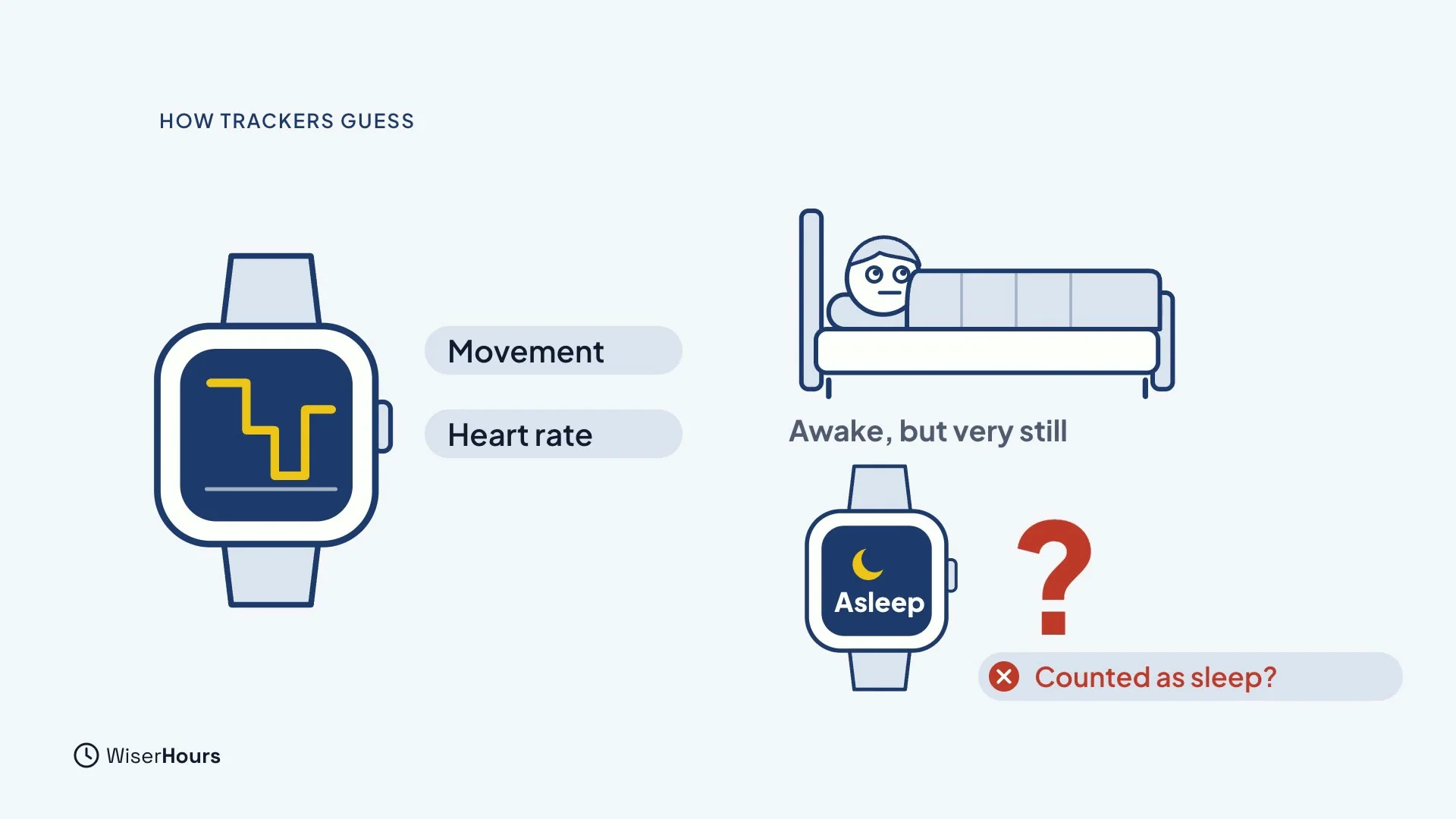
A watch or a ring does not measure sleep directly. It guesses from your movement and your heart rate. So if you lie awake but stay still, it may count that as sleep.
 (opens the full-size picture)
How accurate they are
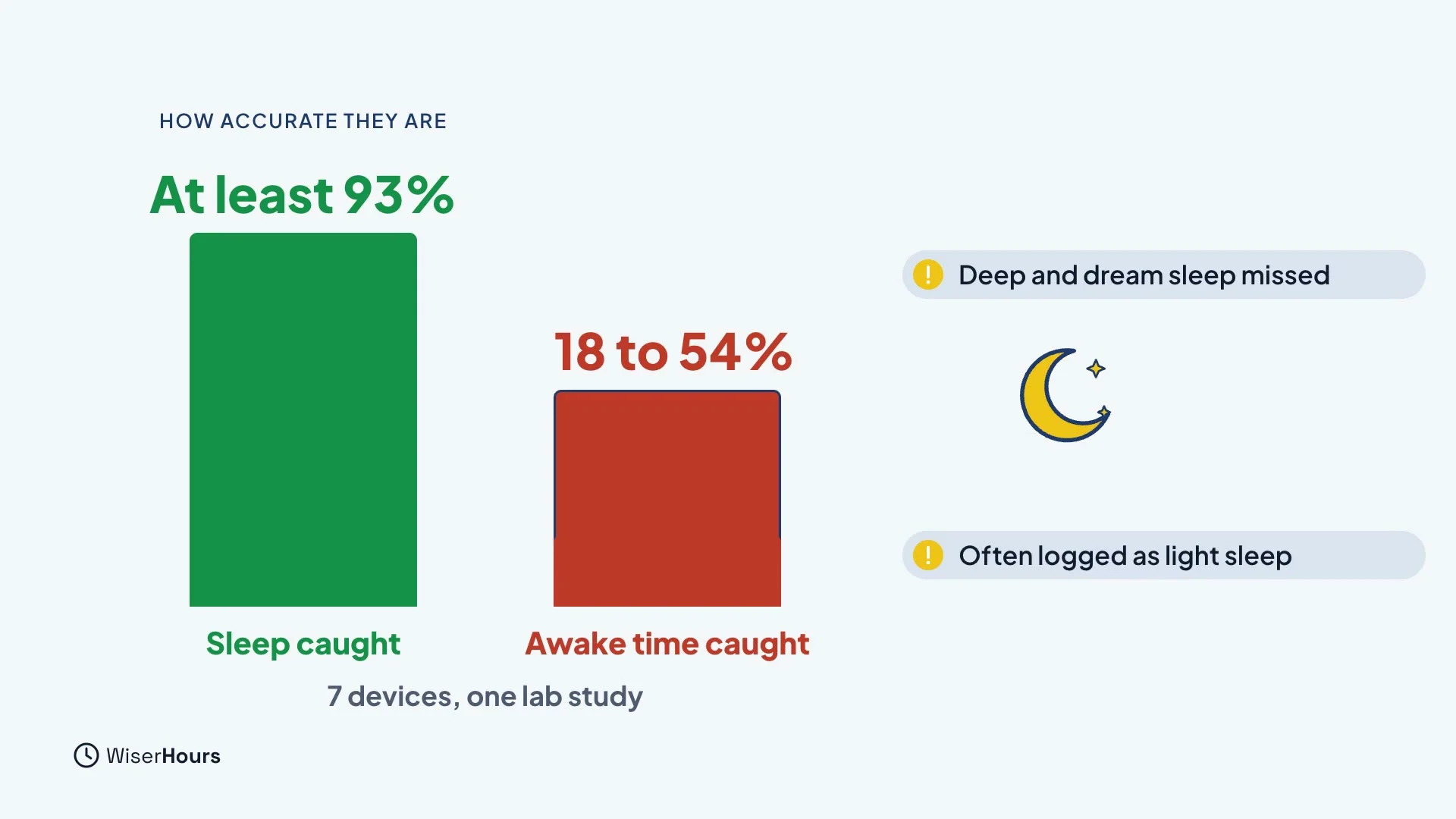
In one study of seven devices, they caught at least 93 percent of sleep, but only 18 to 54 percent of the time people were awake. Most also missed a lot of deep and dream sleep, calling it light sleep. That is one lab study, so take the exact figures lightly. The message is that trackers are good at saying “asleep” and weak at saying “awake”.
 (opens the full-size picture)
Patterns, not scores
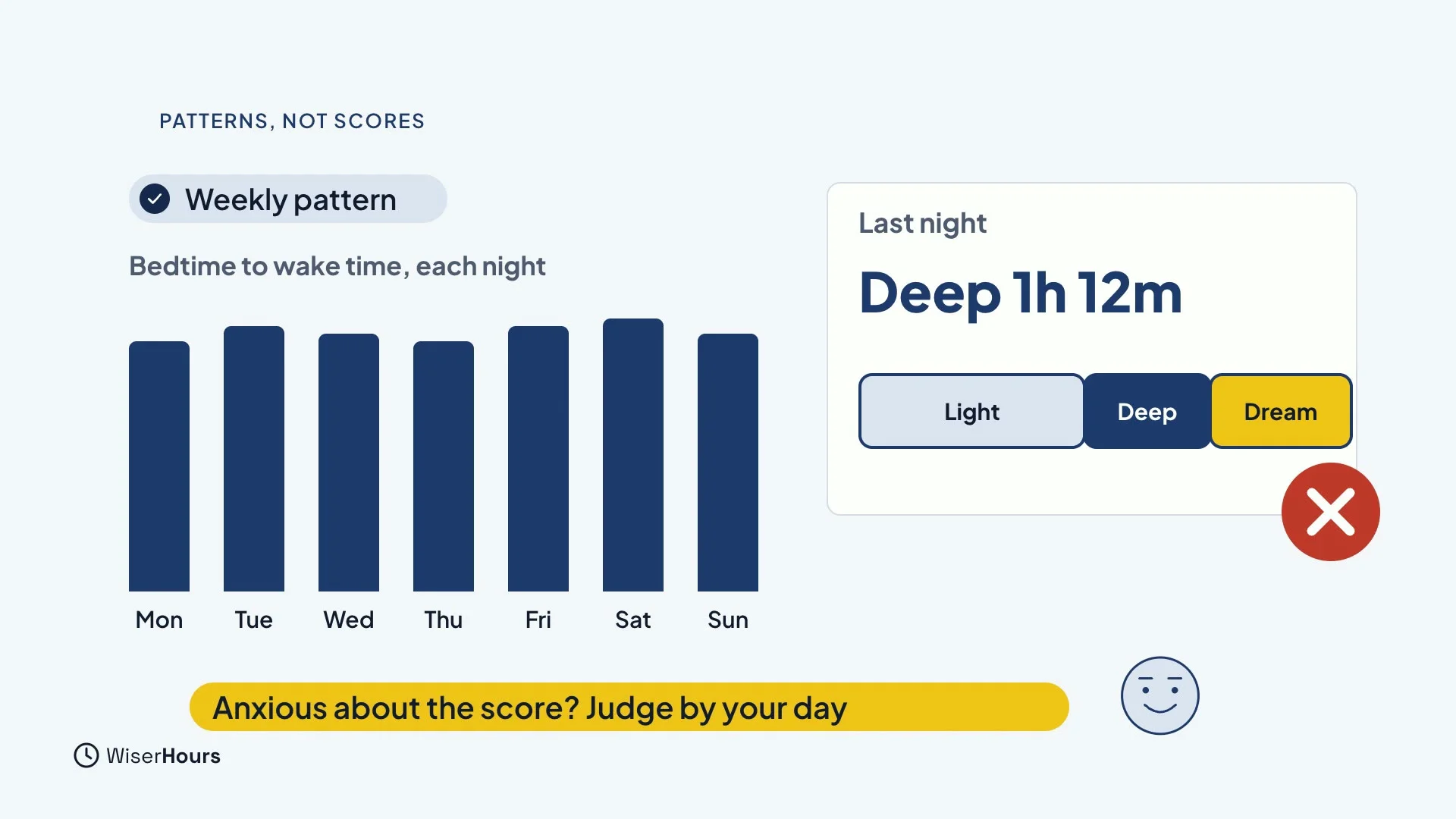
So use a tracker for patterns, not scores. Look at your weekly average bedtime and wake time. Skip the nightly split of light, deep and dream sleep. And if checking your score makes you anxious, judge your night by how you feel during the day.
 (opens the full-size picture)
Magnesium and melatonin
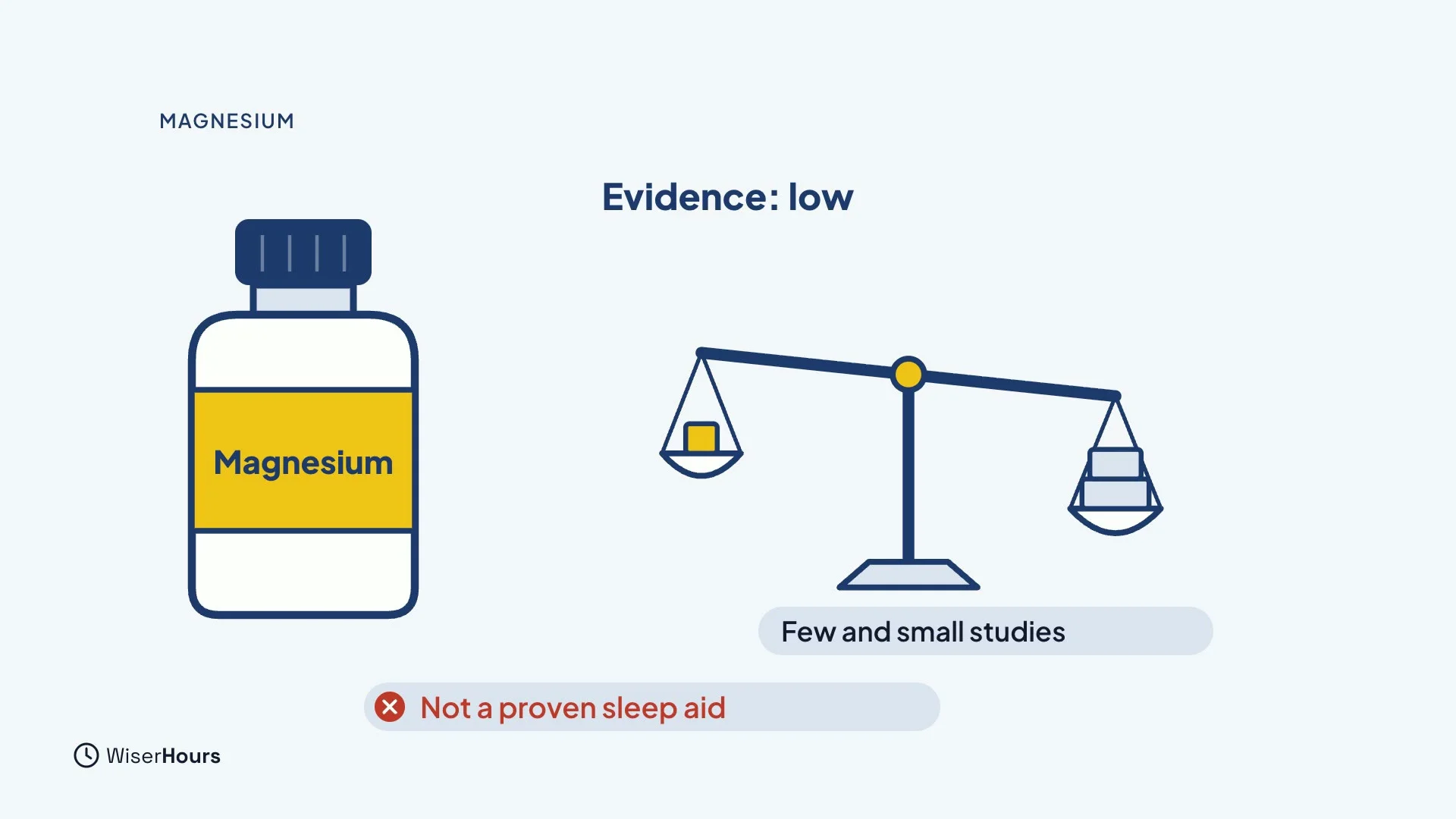
What about supplements? Magnesium is not a proven sleep aid. The studies are few and small, and reviews rate the evidence as low.
 (opens the full-size picture)
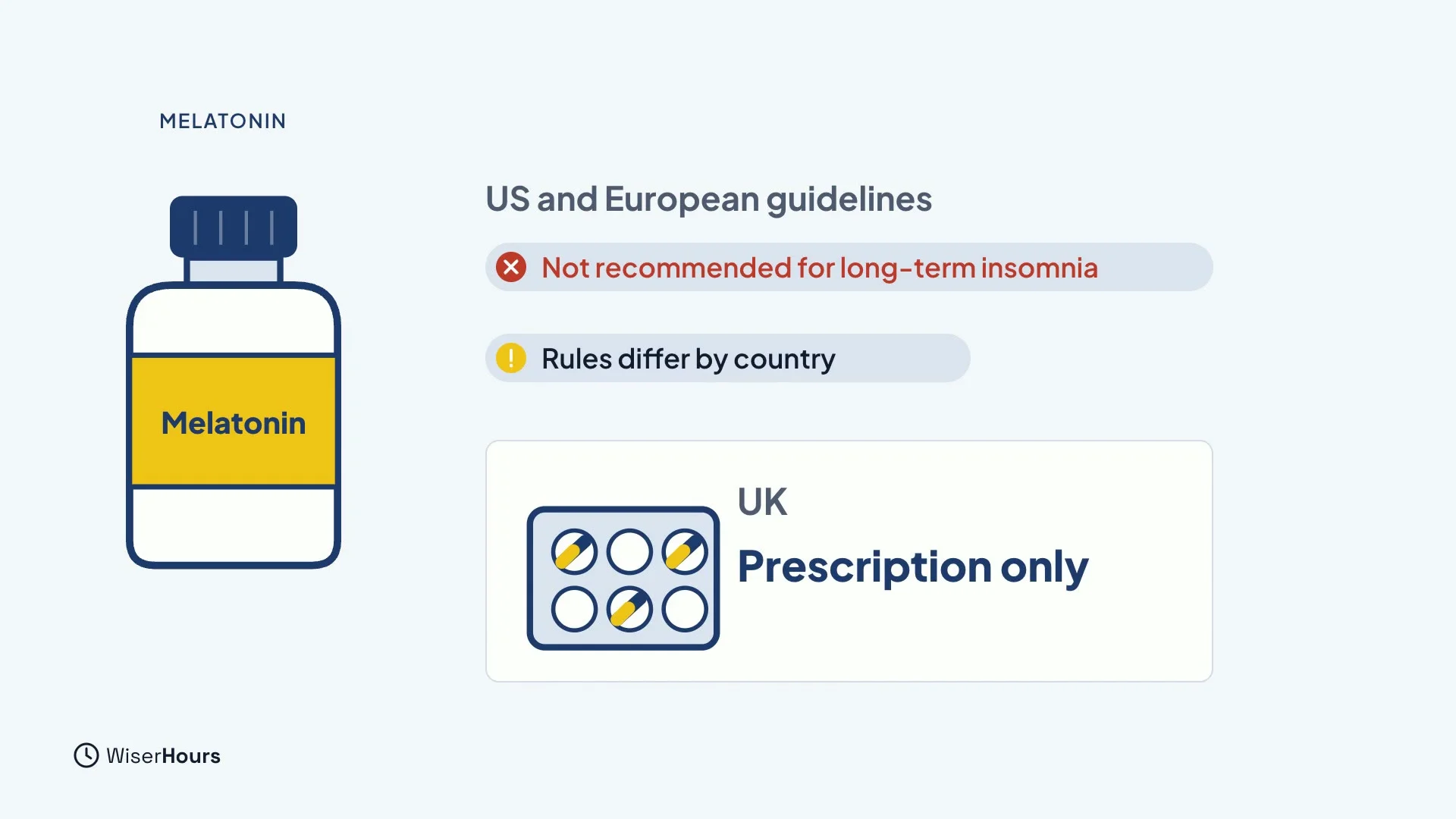
US and European sleep guidelines do not recommend melatonin for long-term insomnia. The rules differ by country. In the UK, for example, it is prescription-only.
 (opens the full-size picture)
Ask first
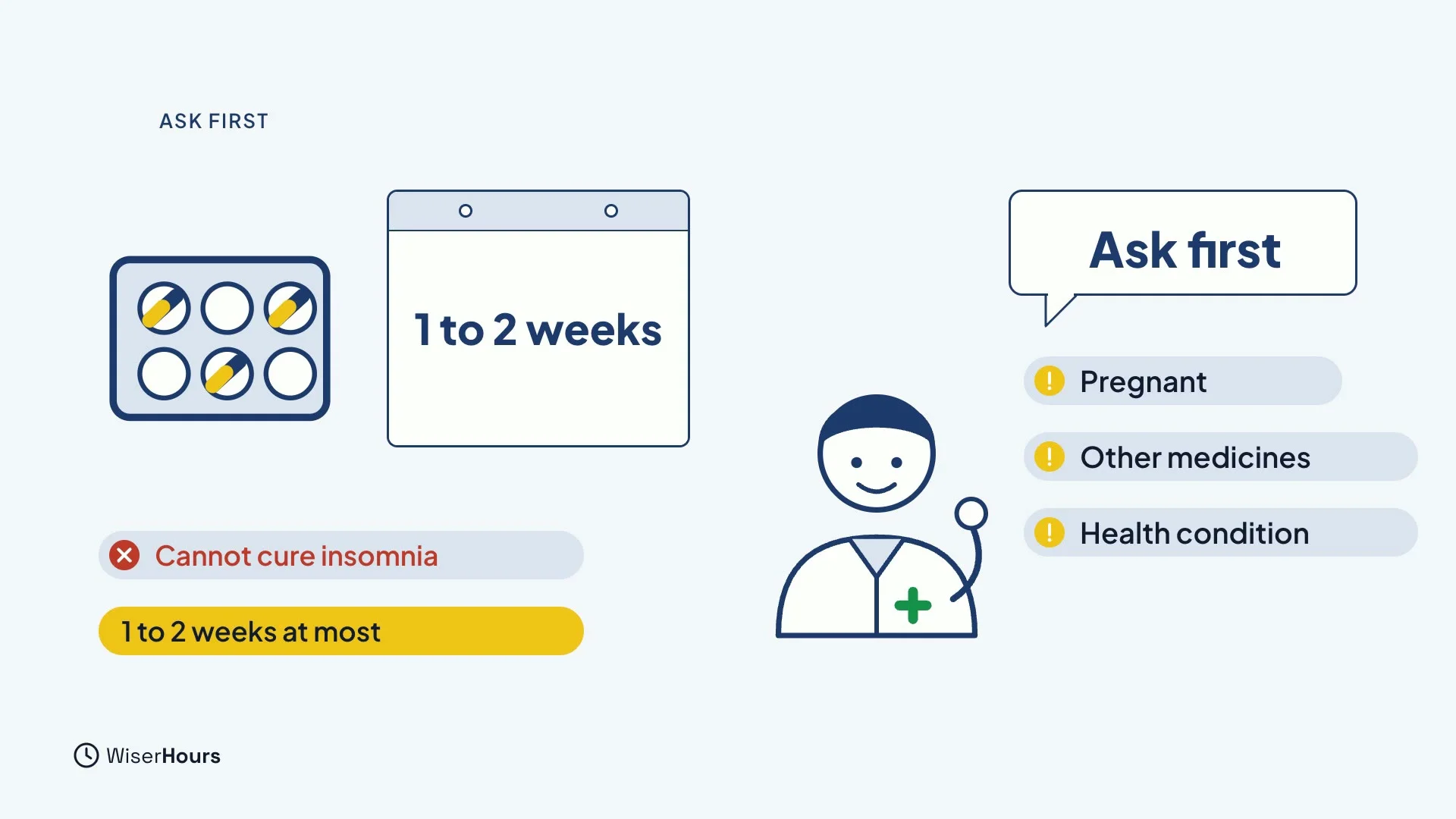
Over-the-counter sleep aids cannot cure insomnia, and the NHS says to use them for no more than one to two weeks. Before you take any sleep aid, ask a pharmacist or a doctor, especially if you are pregnant, take other medicines, or have a health condition.
 (opens the full-size picture)
Rules differ around the world
Which sleep aids you can buy, and which need a prescription, depends on your country. A local pharmacist can tell you what applies where you live.
YOUR TURN
Read more
- Sleep Trackers: how accurate trackers are, and what they can tell you.
- Magnesium for Sleep: what the evidence shows, and who should ask first.
- How to Sleep Better: melatonin guidance and the habits that come first.
Read the full lesson script
Sleep trackers and sleep aids are everywhere. In this lesson, you'll see what they can tell you, and what they can't do.
A watch or a ring doesn't measure sleep directly. It guesses from your movement and your heart rate. So if you lie awake but still, it may count that as sleep.
In one study of seven devices, they caught at least 93 percent of sleep, but only 18 to 54 percent of the time people were awake. Most also missed a lot of deep and dream sleep, calling it light sleep.
So use a tracker for patterns, not scores. Look at your weekly average bedtime and wake time. Skip the nightly split of light, deep and dream sleep. And if checking your score makes you anxious, judge your night by how you feel during the day.
What about supplements? Magnesium is not a proven sleep aid. The studies are few and small, and reviews rate the evidence as low.
US and European sleep guidelines don't recommend melatonin for long-term insomnia. The rules differ by country. In the UK, for example, it's prescription-only.
Over-the-counter sleep aids can't cure insomnia, and the NHS says to use them for no more than one to two weeks. Before you take any sleep aid, ask a pharmacist or a doctor, especially if you're pregnant, take other medicines, or have a health condition.
So remember: trackers guess, so use them for weekly patterns, not nightly scores. Magnesium and melatonin are not proven fixes for poor sleep. And ask a pharmacist or a doctor before any sleep aid. Before the next lesson, if you use a tracker, look only at this week's average bedtime and wake time. In the last lesson, you'll learn when to see a doctor, and you'll put your plan together.
MAKE IT A SMALL WIN
Finished this lesson?
Mark it complete to save your progress on this device.