Job Search, Resume & Interviews
Best Job Boards Compared: Where Each One Is Actually Useful
The best job boards by use case: 7 kinds compared, from Indeed and LinkedIn to niche, graduate and public boards, with country examples and scam signs.
The best job boards by use case: 7 kinds compared, from Indeed and LinkedIn to niche, graduate and public boards, with country examples and scam signs.
Orthorexia is a fixation on 'pure' eating that harms health or daily life. A 2024 review of 22 reviews found no reliable count. Warning signs and help routes.
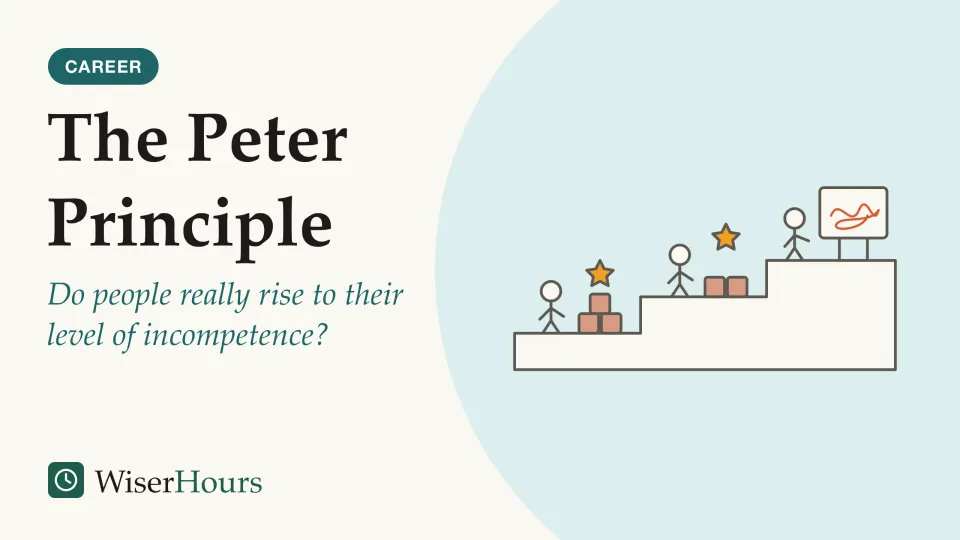
The Peter principle began as a 1969 satire. A 2019 study of US sales workers found top sellers were promoted most and managed less well; here is the evidence.
How to set boundaries with your boss in 5 steps: pick one boundary, book the talk, frame it around the work, offer a trade-off and confirm it in writing.
How to find remote jobs: 4 places to look, filters that weed out hybrid and one-country roles, and the scam red flags US and Australian agencies list.
Psychological safety is a team's shared belief that speaking up is safe. What Edmondson's 1999 study, a later meta-analysis and the open questions show.
Albert Bandura named 4 sources of confidence in 1977. The evidence favors small wins, peer models and task feedback over power poses and affirmations.
40 behavioral interview questions in 8 competencies, each with what a strong answer shows and a follow-up probe, plus a STAR-shaped scoring rubric.
How to start a presentation: the 3 jobs of the first minute, 10 openings with short examples for meetings, conferences and toasts, and 4 starts to avoid.
Work stress: 7 causes that recur in official lists, from workload to job insecurity, what you can influence, and what many employers must assess.
How to improve memory: 7 habits ranked by evidence, led by testing yourself and spacing reviews, and why brain games and supplements fall short.
5 kinds of online side hustles compared on fees, start-up time and pay, and why unpaid hours spent finding work pull real earnings down.
How to build a professional network from scratch in 6 steps, with example messages, and why more people say yes to small asks than you expect.
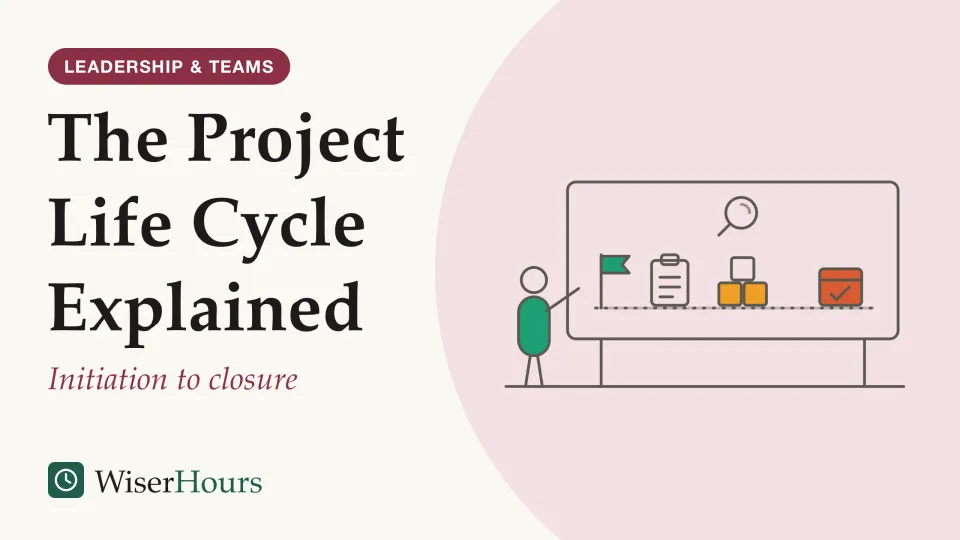
Most guides split the project life cycle into 5 phases, from initiation to closure. What happens in each, who is involved, and how agile repeats the middle.
How to study for an exam in 5 steps, working back from the date: map the syllabus, space sessions, test yourself, mix topics, then review.
How to find your purpose in 5 low-pressure steps: notice what absorbs you, check your values, run small experiments, contribute and review over months.
Work out your walk-away point in 4 steps: list your alternatives, pick the best real one, turn it into a number, and write it down before you talk.
The PDCA cycle's 4 stages, worked through on an invoice-error example: where the loop came from, why Deming said study, and the mistakes that break it.
Many scam text messages follow 7 familiar scripts, from parcel fees to 'Hi Mum'. How to spot, block and report them, and what to do if you replied.
Passive income with little money: why US$1,000 earns about US$40 a year at 4%, what digital products and content really cost, and the pitches to avoid.
A lowball offer is an opening move, not an insult. 5 steps and sample wording to reply without countering off their number or losing the buyer.