The Kirkpatrick Model Explained: Four Levels of Training Evaluation
The Kirkpatrick model's 4 levels of training evaluation explained, and what meta-analyses found when they tested whether good feedback predicts learning.
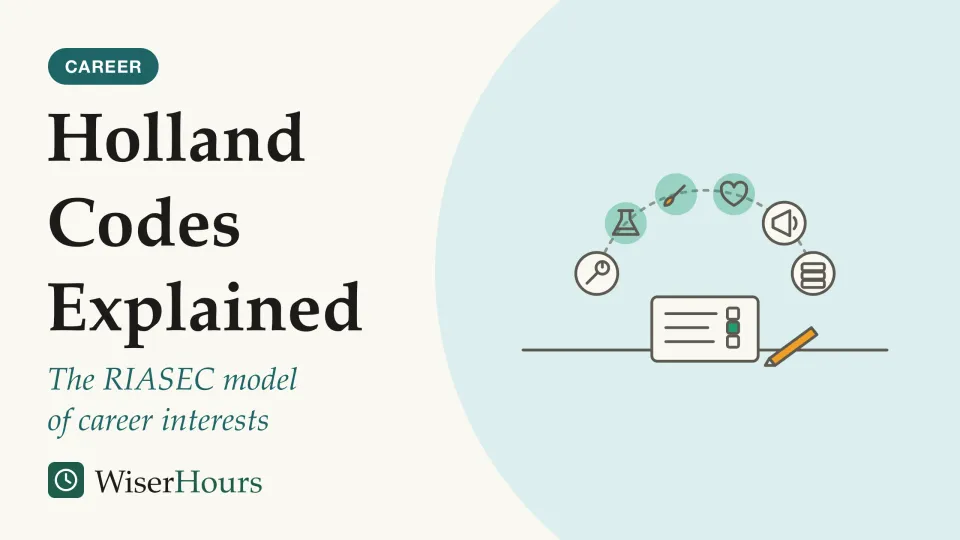
A Holland code ranks your top 3 of 6 work-interest types. How the RIASEC hexagon works, how O*NET's free test uses it, and what it can't predict.
Adults need 7 to 9 hours of sleep, a 2015 expert panel says, but needs differ. Why the advice is a range and what the health links really show.
How to quit social media in 6 steps, from app limits to deletion: what trials found, how to save your data and what to move before you leave.
Presenteeism, working while ill, is far harder to count than absence, which took 2.0% of UK working hours in 2025. How to measure both, and what drives each.
Dunbar's number says we keep up about 150 relationships. A 2021 reanalysis says the data can't fix any number. What it means for your network.
In six studies of 38,000+ people, couples who pooled all their money reported happier relationships. What one US trial and joint-account rules add.
Waiting to feel ready can keep you stuck. 5 gentle steps for a flat day: shrink the task, start first, change the room, check the basics, add a reward.
Pay predicts quitting less well than rewards beyond pay or job embeddedness, a 2018 meta-analysis found. 5 steps to a retention plan built on evidence.
Magnesium for sleep rests on a few small trials. What 3 trials in older adults and a 2025 German trial found, which forms they used, and the cautions.
A performance improvement plan often runs 30 to 90 days. What a PIP contains, how to read support from a paper trail, and what to do week by week.
A sabbatical is long leave from a job you keep. Under 1 in 10 US employers offered one in 2023; studies of academics and nonprofit leaders show what it changes.
Ethos, pathos and logos explained with 4 work examples, how each appeal fails when overdone, what kairos adds, and what persuasion research says.
Therapy for anxiety compared: what CBT, exposure and ACT involve, how long a course lasts (5 to 15 sessions on the NHS) and which suits which kind of anxiety.
Emotional labor, coined in 1983, is managing feelings for pay. Meta-analyses link faking feelings at work to exhaustion; trying to feel them, less so.
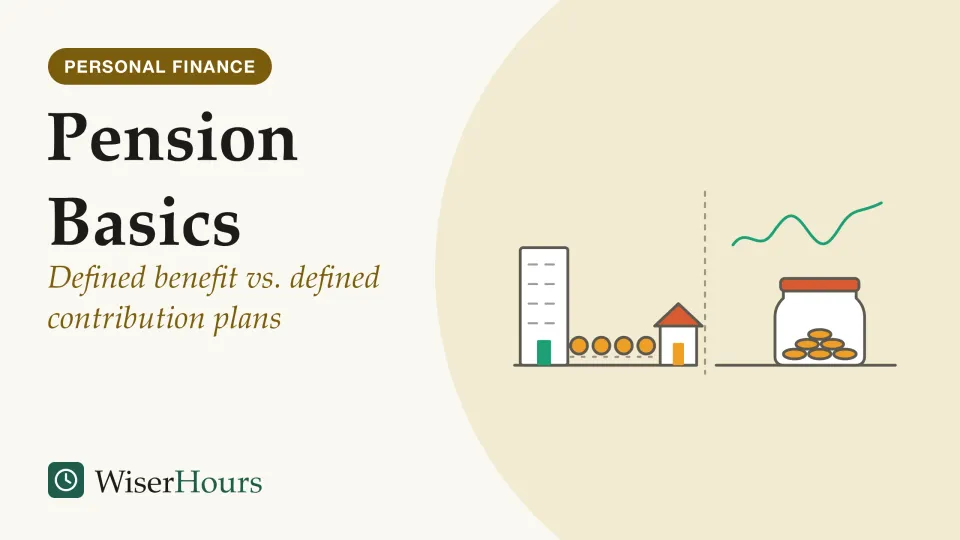
A defined benefit plan promises an income; a defined contribution plan builds a pot. Who bears the risk, what job moves do, and 2026 protections.
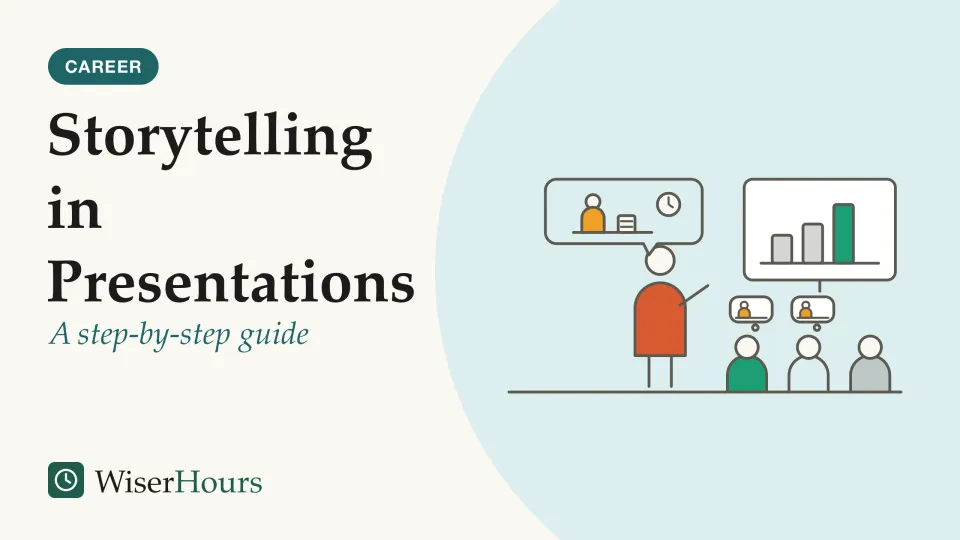
Storytelling in presentations in 6 steps: build a short work story, place it beside your data, and see what research on stories does and does not show.
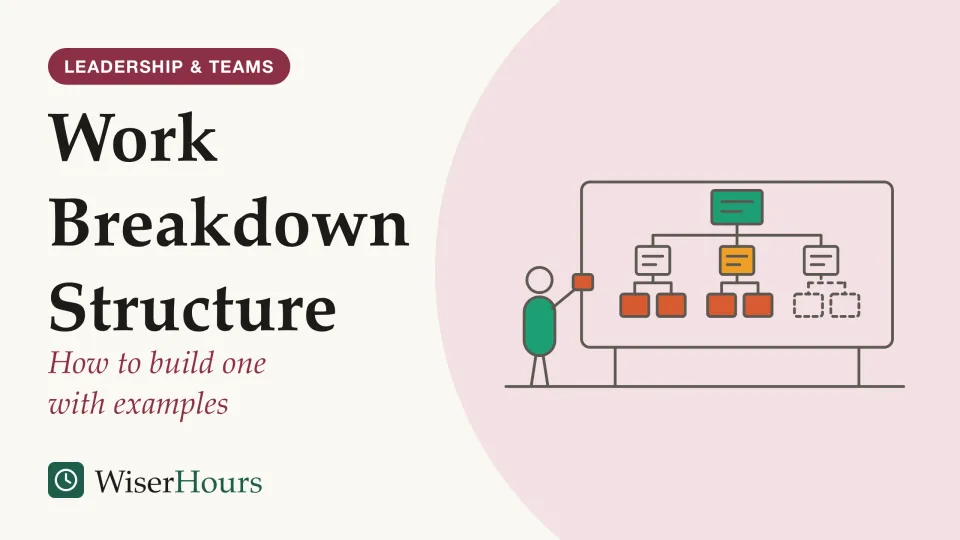
A work breakdown structure splits a project into parts that add up to 100 percent of the work. Five steps, a worked example and a WBS dictionary.
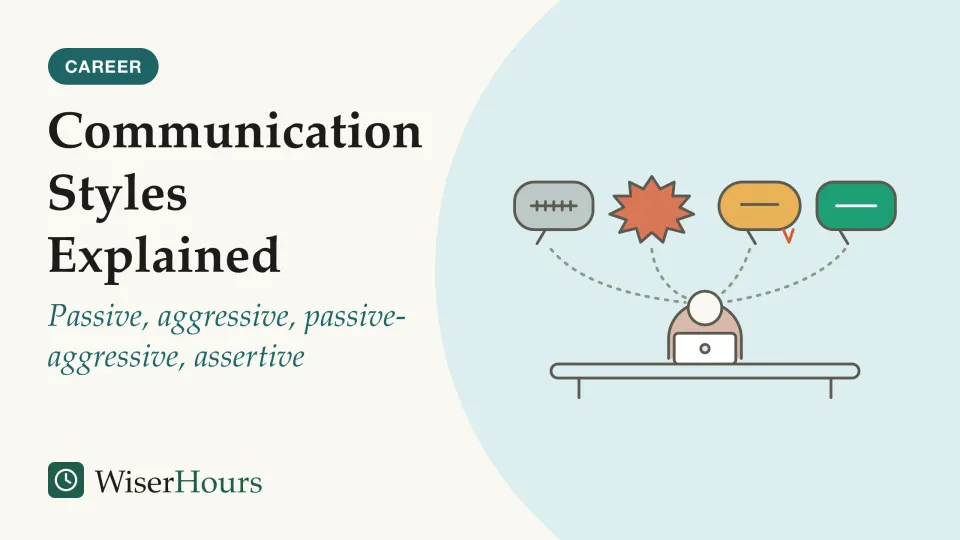
The 4 communication styles, where the model comes from, why your style shifts with the situation, and what style tests like DISC can and cannot tell you.
Languishing is feeling flat and aimless without being depressed. What the research says it is, how it is measured, 5 low-risk steps and when to get help.
Prize linked savings swap interest for prize draws without staking your deposit. What trials in 3 countries found, and the return you may give up.