Negotiation
How to Negotiate: A Research-Backed Guide for Everyday Life
How to negotiate rent, prices, fees and deadlines in 7 steps, from knowing your walk-away point to opening offers, fair trades and when to just pay.
How to negotiate rent, prices, fees and deadlines in 7 steps, from knowing your walk-away point to opening offers, fair trades and when to just pay.
Cybersecurity terms explained in plain English: 29 terms from malware and phishing to passkeys and zero-days, in five families with everyday examples.
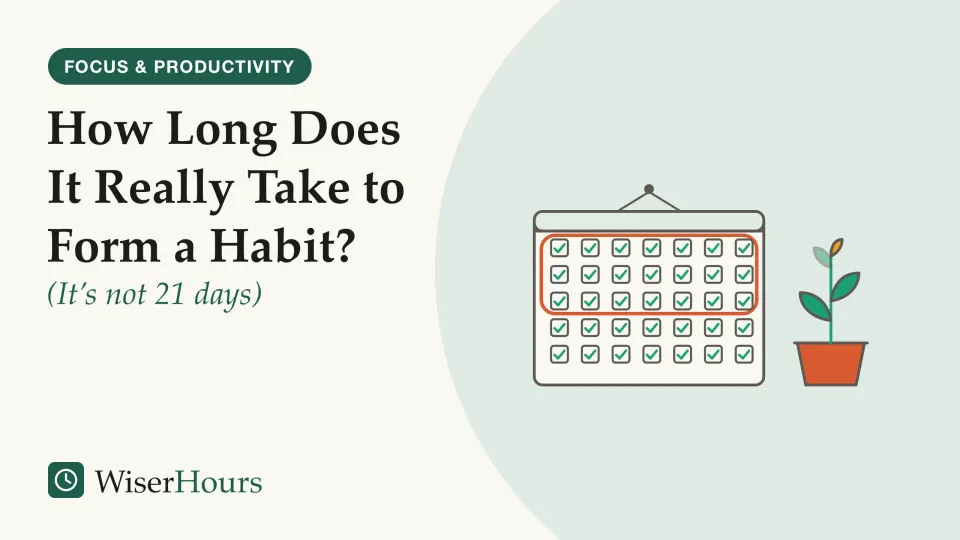
Two studies that timed habit formation found medians of about two months, with individuals taking 4 to 335 days. Where 21 days came from, and what helps.
How to create a strong password: join 3 or more random words, skip personal details and tricks, keep it until there is a reason to change it.
How to set career goals in 4 steps, with examples for early career, mid-career, career changers and freelancers, checked against goal research.
How to back up your phone and computer with the 3-2-1 rule: iCloud, Google, Time Machine and File History, plus chats, 2FA codes and a restore test.
How to manage an underperforming employee in 5 steps: check expectations were clear, diagnose the cause, agree a plan, review it, and know when HR takes over.
ChatGPT vs Claude vs Gemini compared on 5 things that matter: writing, files, Google and Microsoft apps, privacy settings and countries.
What is metacognition? Its 2 parts: judging what you know and changing how you study. Judging later, with the answer hidden, makes the first far sharper.
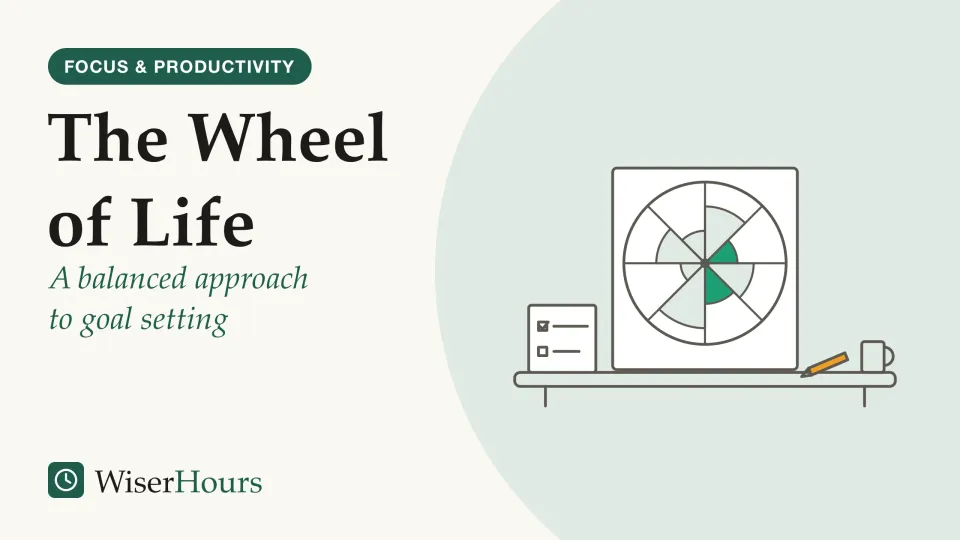
How to draw and score a wheel of life in 5 steps, turn the lowest areas that matter into goals, and what research on life areas does and does not support.
A commonplace book keeps quotes, facts and ideas with their source under subject headings. Where it came from, and 6 steps to start your own.
Situational leadership matches 4 styles, from directing to delegating, to a person's readiness for one task. Both versions, an example and the evidence.
The free VIA character strengths survey ranks 24 strengths in 10-15 minutes. How to read your results, what trials found, and how it differs from Gallup's.
Workaholism is working excessively and compulsively, not just long hours. How the 7-item Bergen scale measures it and how it differs from engagement.
How to prioritize tasks when everything feels urgent: why a heavy load pulls you to easy wins, and a 6-step triage by cost of delay and payoff per hour.
There is no single ideal team size: a 2023 review of 208 team results found no overall link. Here is when size matters more, when it matters less, and why.
The best to-do list apps for 6 situations, checked on price, devices and sharing, plus a 3-step trial to run before you move your tasks in.
How to run performance reviews in 4 steps, and why a 2000 study found that ratings say more about the rater than about the person being rated.
How to calm down quickly: 5 short techniques graded by evidence, from slow breathing (12 trials pooled) to grounding, and who each may not suit.
Proximity bias favors the people a manager sees. In a Chinese trial published in 2015, home workers were promoted less for equal performance. Here is why.
The best time tracking apps compared for 3 jobs (seeing where your week goes, billing clients, team reports) and the rules on tracking staff.