Public Speaking & Presentations
Body Language for Presenters: What to Do With Your Hands
Gestures gave listeners a moderate boost in understanding in a 2019 meta-analysis of 83 samples. Where to rest your hands, what to show and what to skip.
Gestures gave listeners a moderate boost in understanding in a 2019 meta-analysis of 83 samples. Where to rest your hands, what to show and what to skip.
Most people are neither larks nor owls. How chronotypes are measured, what 351 gene regions, age and light do to them, and what owl headlines omit.
Scrum runs in sprints of up to 1 month; Kanban caps work in progress instead. Which fits support, product and mixed teams, and what the evidence shows.
Does a side hustle help or hurt your main job? A 2020 review found the evidence split; newer studies link it to better performance and distraction at once.
Toxic productivity has no clinical definition. What 4 lines of research show, from workaholism to busyness as a status symbol, and when to ease off.
About 1 in 4 US adults in one study said they had had a midlife crisis. What the happiness U-curve shows, and why studies of the same people disagree.
Getting Things Done for beginners: GTD's 5 steps, a minimal setup and a first-week plan, with each step labelled by what backs it, research or David Allen.
Passive income scams reuse 5 patterns, from returns that cannot fall to upsell ladders. How to spot each one, and where to report a scam by country.
How to get organized with ADHD in 5 steps that put reminders in the room instead of your head, and what 2010 trials of skills therapy for adults found.
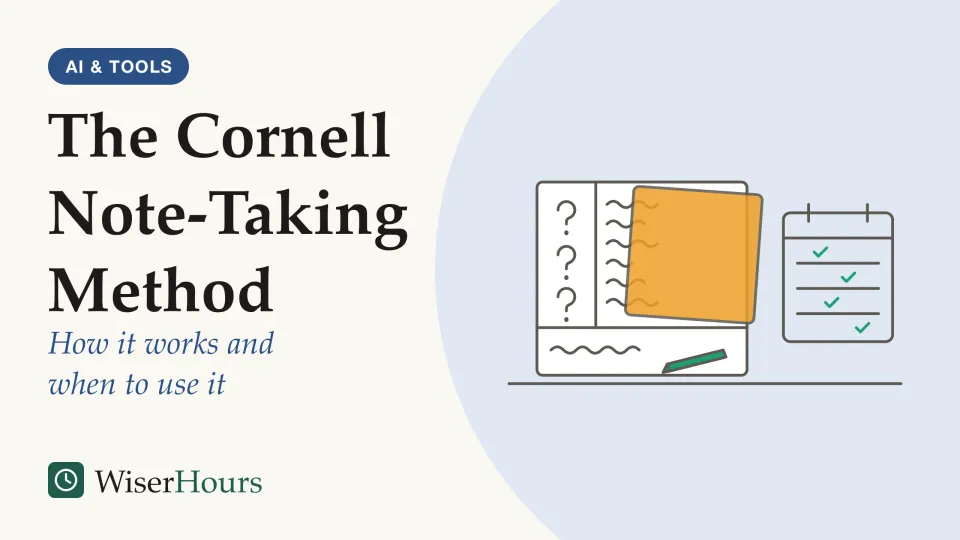
The Cornell note-taking method splits a page into 3 areas and adds 5 steps. Research backs its self-testing step far more than the layout itself.
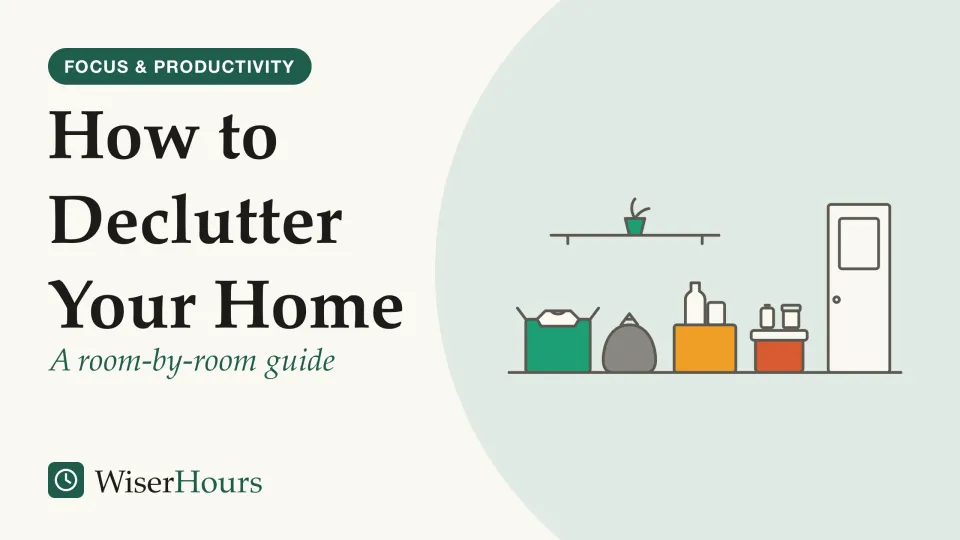
How to declutter your home in 6 steps: set up exits, start where choices are easy, leave keepsakes for last, and get rid of batteries and medicines safely.
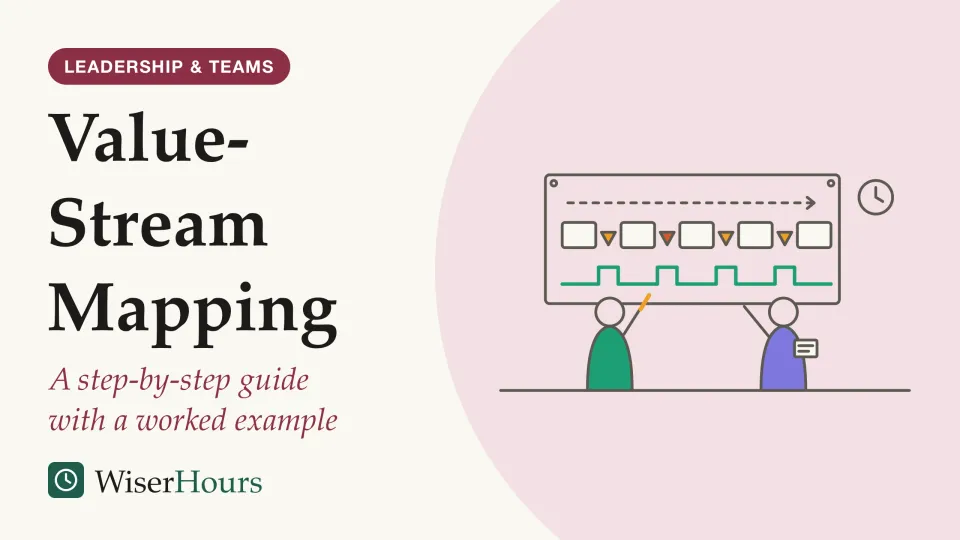
Value stream mapping in 7 steps, worked through on an invoice-approval example, plus what reviews find and the step most published maps skip.
In a 39-country OECD survey, only 29% of adults said they don't tend to worry about paying living costs. How money anxiety shows up and what helps.
The best note taking apps compared as 6 types, from phone notes to Markdown files: choose by how you capture, how you refind and how your notes can leave.
How to reconnect with someone in 5 steps: why your message is likely more welcome than you expect, what to write first and how to turn one reply into a tie.
Self-discipline is 3 things at once: a trait, a skill and a well-designed setting. What the evidence, including failed willpower tests, says about each.
Most types of meditation fall into 3 families. What each one trains, what the trials show, who should go carefully, and a two-week way to test one.
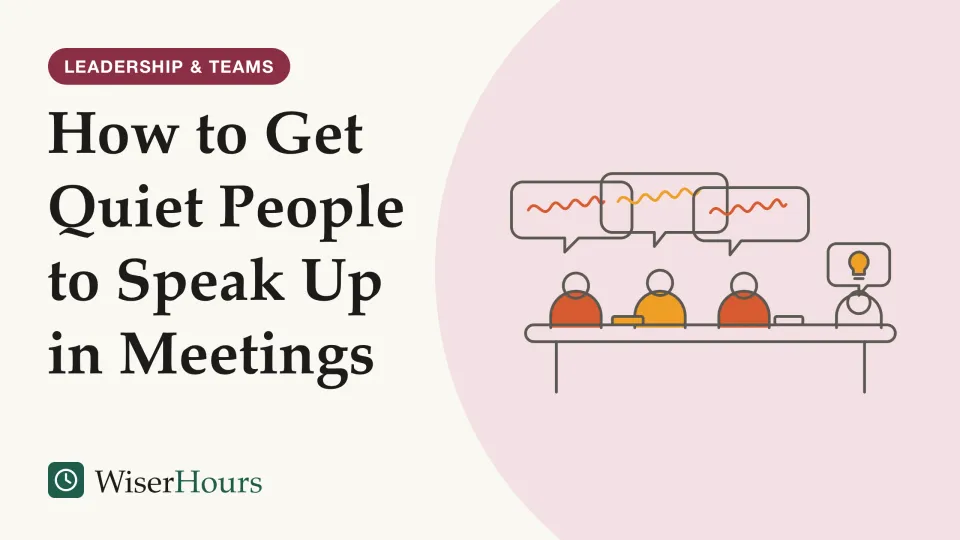
How to get quiet people to speak up in meetings: 6 steps from research on why employees stay silent, from the decision rule to a private second route.
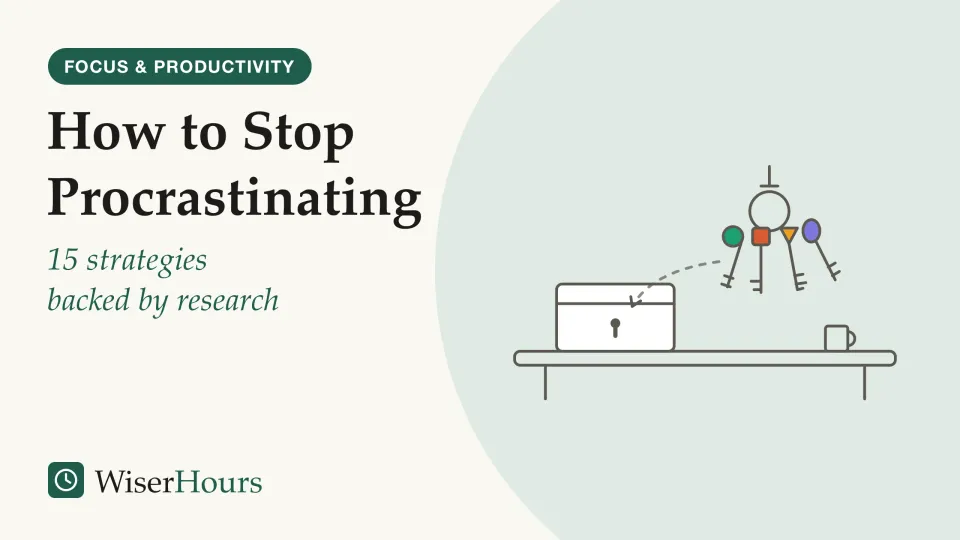
15 ways to stop procrastinating, each matched to the cause of delay it targets and graded by its evidence, from if-then plans to self-set deadlines.
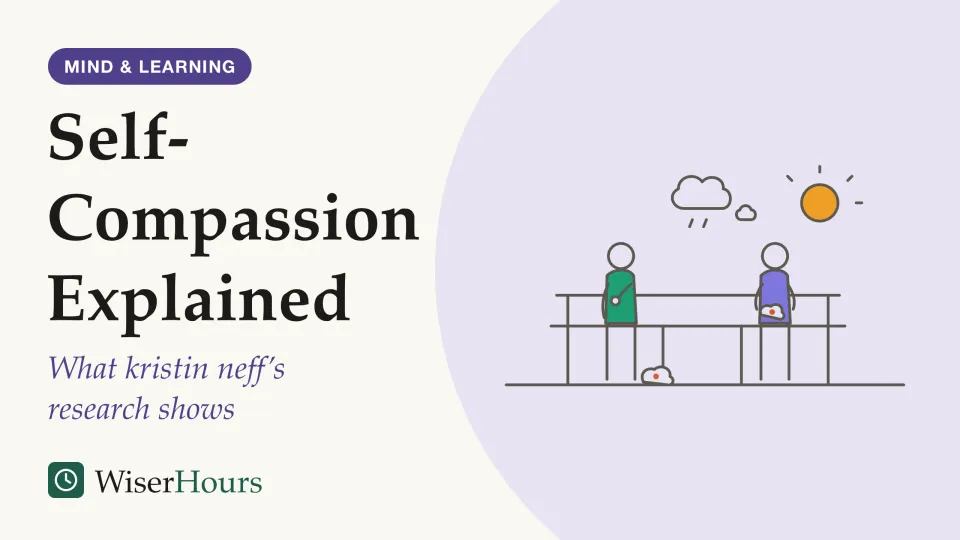
Kristin Neff defines self-compassion in 3 parts. What research shows on distress, motivation and training, and the open dispute over how it is measured.
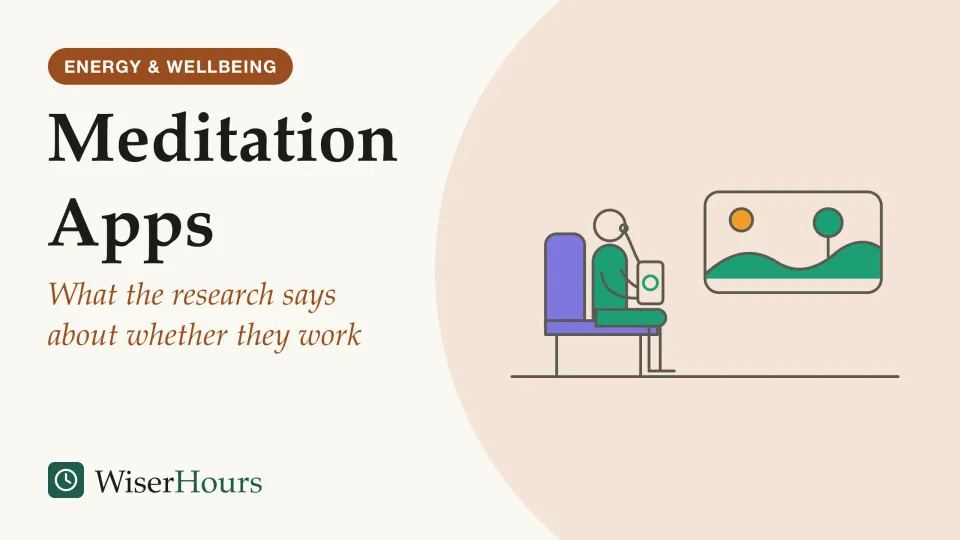
Mindfulness apps eased depression and anxiety symptoms a little in trials of up to 8 weeks; in one usage study, about 1 in 20 users still opened one at 30 days.