Table Topics: Practice Questions and Drills for Off-the-Cuff Speaking
Table Topics practice: how a one-to-two-minute turn is timed, 30 original questions sorted by type, and 4 timed drills for practicing alone or in a club.
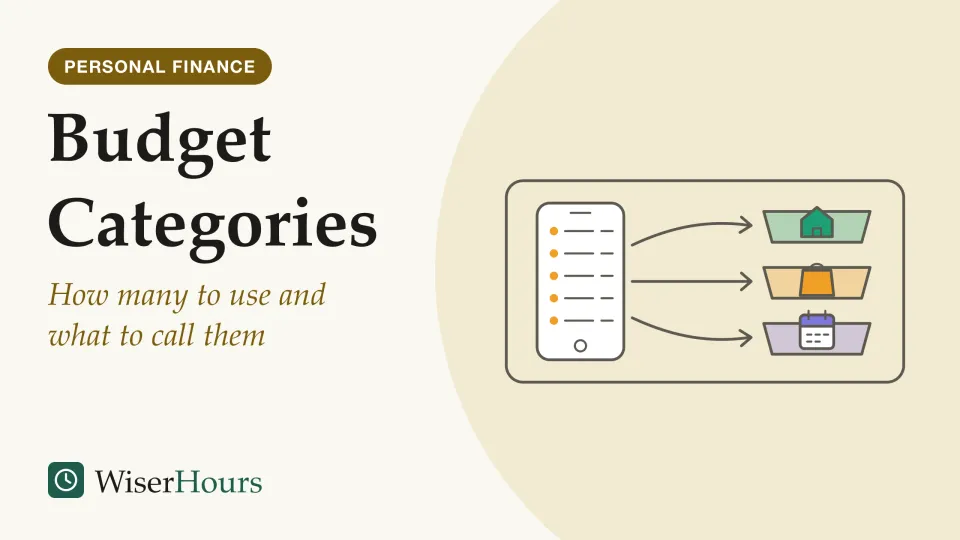
Budget categories that hold up: a 9-line starter set in 3 groups, why fewer lines may be easier to keep, when to split one, and names that sort spending.
Email subject lines for work, not marketing: 5 rules, before-and-after examples for 6 common emails, and what a UK field experiment found about deadlines.
Angela Duckworth's grit is passion and perseverance for long-term goals. What her studies found, and why a 2017 review judged the effect modest.
AI in project management: 4 jobs it handles well today, 3 ways it fails, and what controlled studies of AI at work show about where the line falls.
The perceived stress scale explained: what its 10 questions ask, how the 0-40 score works, what typical scores look like, and why it has no official cut-offs.
A steering committee makes the calls a project manager can't: scope, budget, tolerances and whether to go on. Who sits on one and a 60-minute agenda.
Overconfidence bias has 3 forms. In studies reviewed in 2008, ranges people were 90% sure of held the answer under half the time. What helps.
Phantom vibration syndrome, a buzz that never came, is common and rarely bothersome. Why it happens, what nomophobia is, and 5 simple steps.
Credit card vs debit card: in the US a lost credit card caps your fraud loss at $50; a lost debit card reported late can cost $500 or more. When to use each.
How to stop being lazy: find what the feeling hides, then try 5 kind steps, from acting first to a two-minute start, and know when to see a doctor.
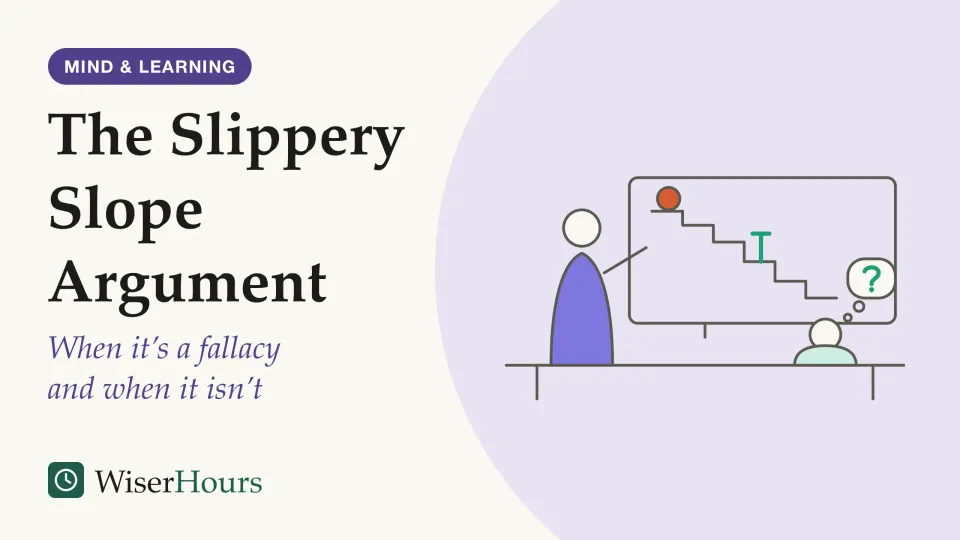
The slippery slope fallacy explained: 3 kinds of slope argument, everyday and work examples, and 3 questions that separate a weak chain from a fair warning.
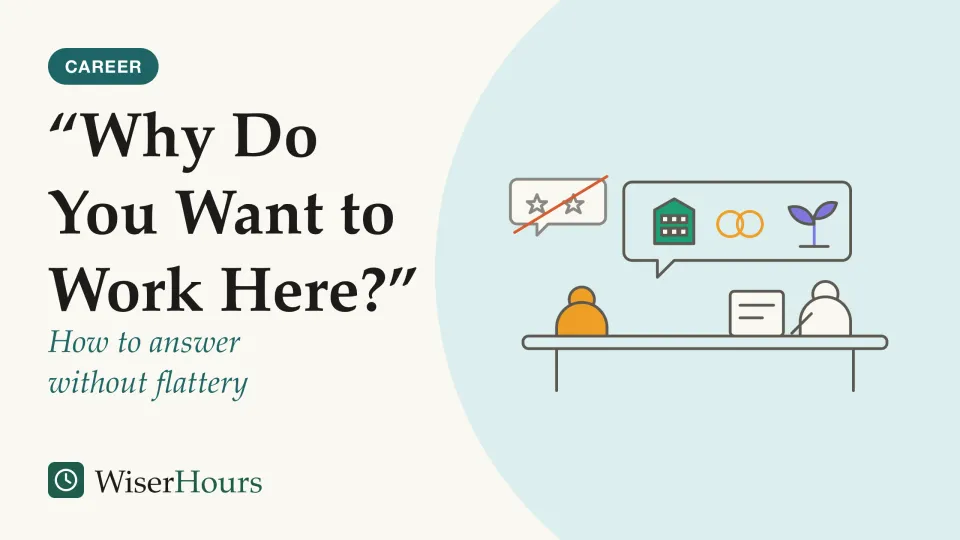
Answer 'why do you want to work here?' in 3 parts: something specific about the employer, how it fits your skills, what you'd add. With sample answers.
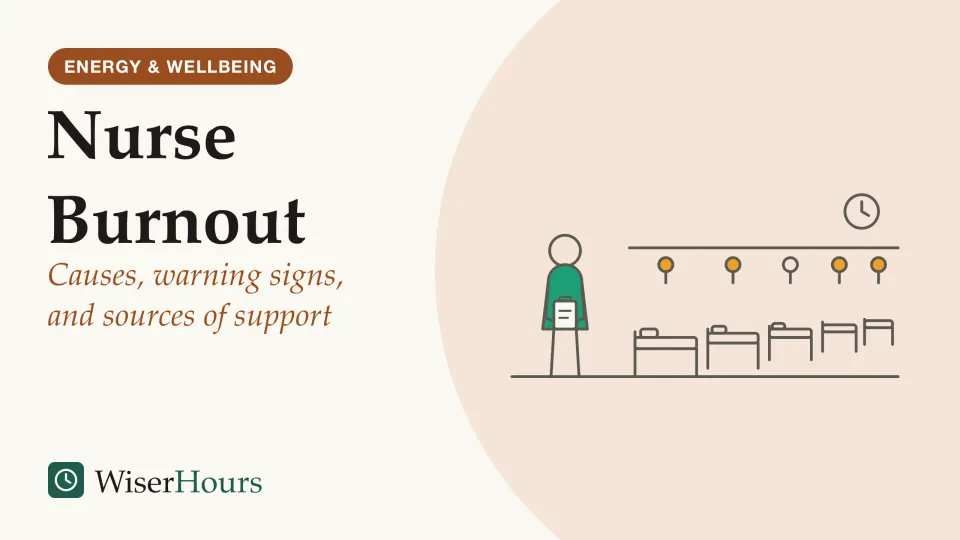
Nurse burnout tracks heavy workloads, low staffing and long shifts, a review of 91 studies found. The warning signs, what helps, and support by country.
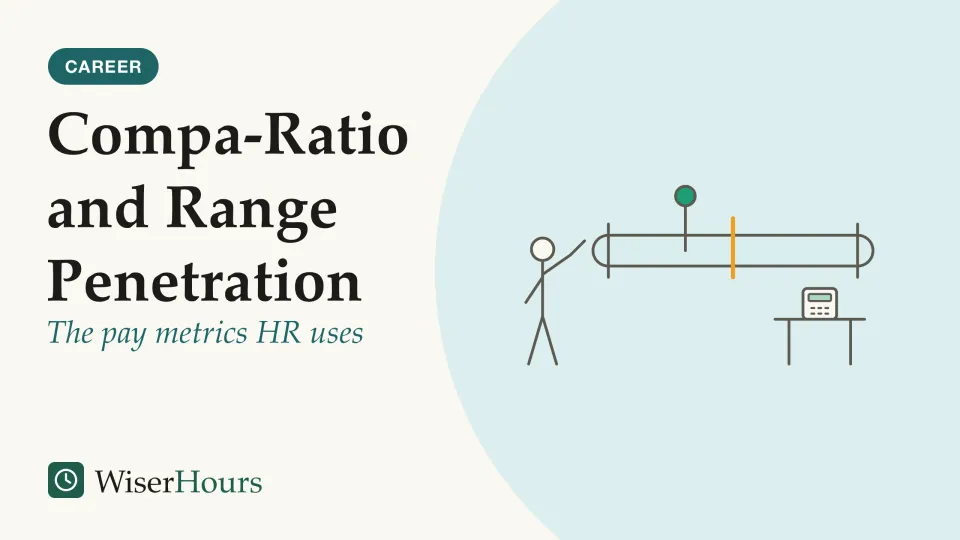
A compa ratio of 1.0 means pay at the midpoint of its range. How compa ratio and range penetration are worked out, why they disagree and how they shape raises.
Is photographic memory real? No adult has passed repeated tests. Eidetic images appear in an estimated 2 to 10% of children; trained and rare memories are real.
A retention bonus pays you to stay until a set date. English teachers offered extra pay were 23% less likely to leave; counteroffers mostly buy months.
Financial infidelity is hiding money from a partner. In a 2018 US poll, about 1 in 5 partnered adults hid an account. What counts, and how to rebuild trust.
Work friendships go with engagement and staying, yet a study of 168 insurance staff tied more work friends to exhaustion too. What research shows.
Dual coding pairs words with a visual of the same idea, giving a memory two routes back. 5 steps to use it when you study, and when pictures backfire.
Client retention for freelancers and small firms: measure it from your own invoices, trace the famous profit claim, and use 6 habits that keep good clients.