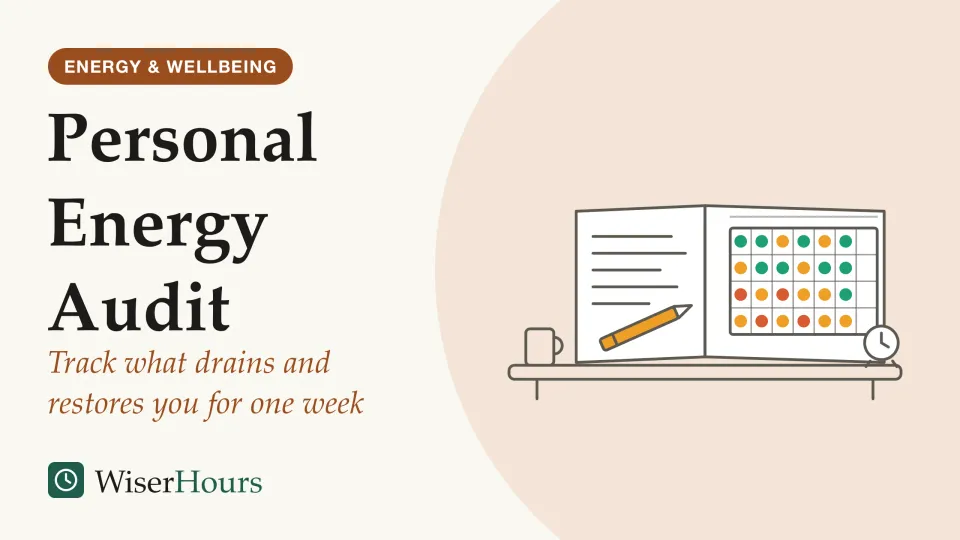
Personal Energy Audit: Track What Drains and Restores You for One Week
A personal energy audit: rate your energy 3 or 4 times a day for 7 days, note what you were doing, then sort drains from restorers. With a log and an example.
Exit interview questions grouped into 6 topics, plus what makes leavers candid, how to code their answers and why you also need data from people who stay.
How to become a data analyst in 8 steps: spreadsheets, SQL, a BI tool, statistics, then Python or R, plus projects drawn from the work you already do.
Context dependent memory is real but small: a 2001 meta-analysis of 93 results found a modest recall edge where you learned, and ways to work around it.
Habit stacking ties a new habit to one you already do. A 5-step method, 14 examples for work and home, and what the if-then research behind it shows.
Karoshi is Japan's word for death from overwork. How Japan counts it, why its mental-disorder cases tripled after 2010, and what other countries can learn.
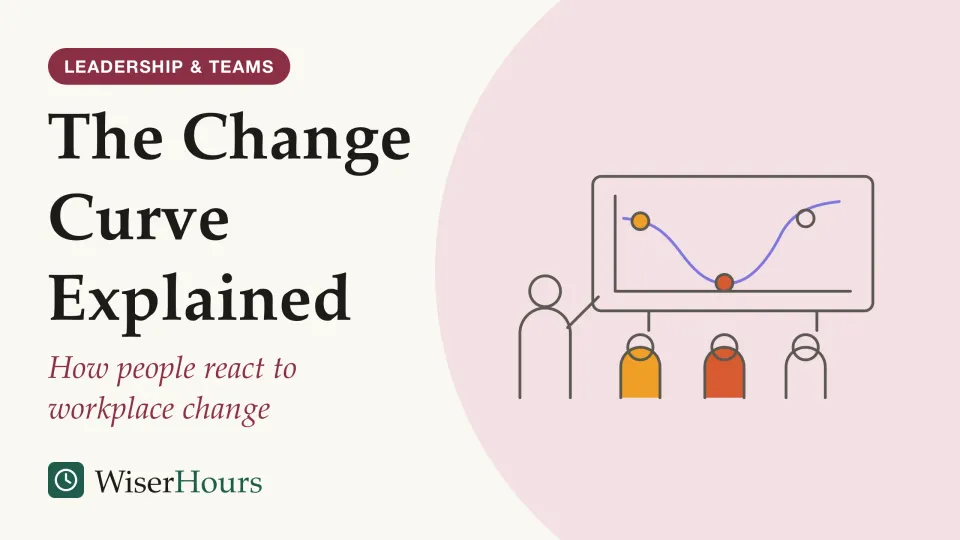
The change curve turns Kübler-Ross's 1969 stages of dying into 4 or 5 workplace stages. What research found, and what managers can do at each point.
The four stages of competence, best known from a 1969 column (not Maslow), with what skill research adds and why experts find their own skills hard to teach.
A career change at 40 is not too late: OECD retirement ages leave about 25 working years. What changes with age, money and hiring, and a plan to test first.
The physiological sigh is two breaths in and one long breath out. Done 5 minutes a day it lifted mood in one trial; the one-sigh quick fix is untested.
A free performance review template with 9 sections, question banks for manager, self and peer reviews, 3 rating scales and how to write their anchors.
Six thinking hats, Edward de Bono's 1985 method: what each of the 6 colors covers, a sample meeting sequence with timings, and what the studies show.
6 desk organization ideas that make work easier, from zoning by reach to a short end-of-day reset, and what research says about messy desks.
ADHD and sleep: a late body clock, a busy mind, stimulant timing, restless legs or apnoea. What a 13-study review measured, and habits that may help.
Offboarding in 6 steps for managers: telling the team, handover, access, final pay, the exit interview and a goodbye that leaves the door open.
Intrapreneurship means acting like a founder inside a company. Where the 1978 term came from, 2 famous examples checked, and what helps employee ventures.
How to make a weekly cleaning schedule in 5 steps that fit your free time and household, with 3 ready-made versions to copy and adapt.
Foods that help you sleep, graded: a 2016 review found food trials too small for firm conclusions. What kiwi, tart cherry, fish and fiber show.
Theory X and Theory Y are a manager's assumptions about people, not two styles. What McGregor argued in 1960, the thin evidence and how to spot X habits.
Does fake it till you make it work? A 17-lab test of the famous smile study found no effect. Acting confident helps most by getting you to practice.
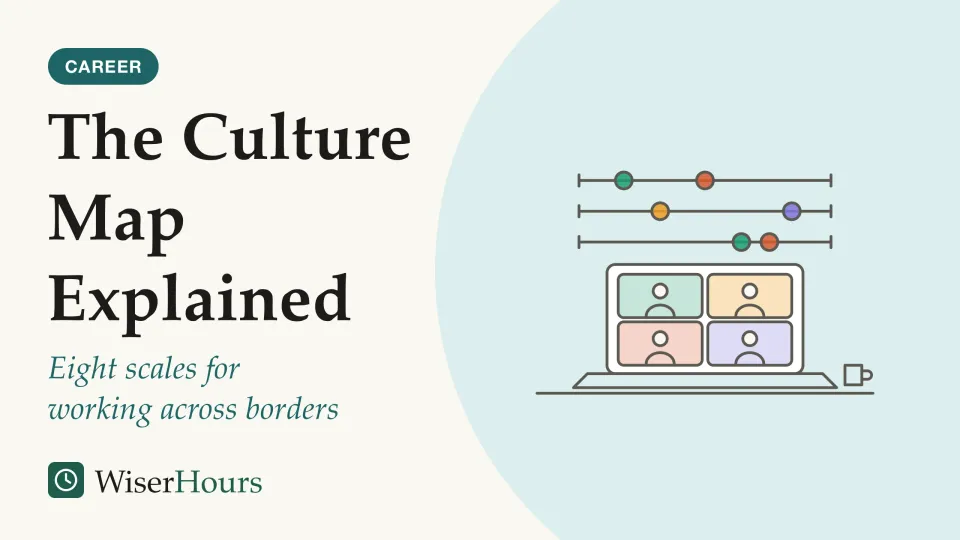
The Culture Map's 8 scales, from feedback to scheduling, why relative position matters, what the research behind it shows, and a team mapping exercise.