Negotiation
How to Negotiate: A Research-Backed Guide for Everyday Life
How to negotiate rent, prices, fees and deadlines in 7 steps, from knowing your walk-away point to opening offers, fair trades and when to just pay.

How to negotiate rent, prices, fees and deadlines in 7 steps, from knowing your walk-away point to opening offers, fair trades and when to just pay.
In August 2026, US job switchers' median pay rose 5.0% a year before inflation vs 3.6% for stayers. When job hopping pays, its costs, how recruiters see it.
An applicant tracking system files, parses, filters and ranks applications. Where the 75 percent rejection myth began, and what really screens you out.
Studies find no clear gain in firm performance after return to office mandates; a 2024 trial found two home days a week cut resignations by a third.
Transferable skills are skills you can use across jobs. The US O*NET database lists 25 of them. How to find yours, and why the job you aim for matters.
How to find a mentor in 5 steps: know what you need, look where you already work, let it grow, use programs well and build several advisers.
Six steps for settling a conflict with a colleague. In a 2025 Acas survey, 44% of working-age adults in Great Britain had conflict at work in the past year.
Filler words are normal: in one study, people made about 6 slips per 100 words, most often fillers like um. What they signal, when they hurt, how to cut back.
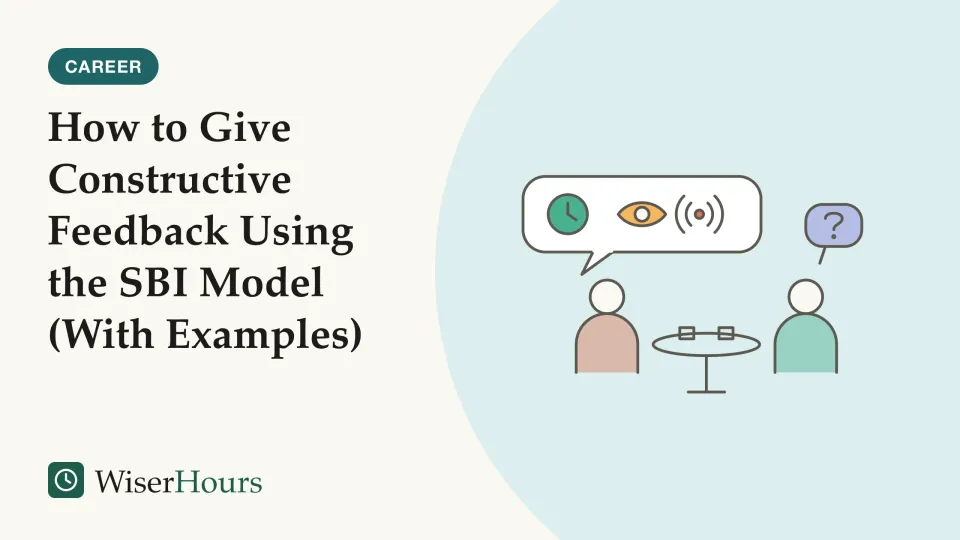
The SBI feedback model in 3 steps (situation, behavior, impact), with examples for praise and correction, and the next step it leaves out.
Active listening, from its 1957 origin to the experiments: what it is, what feeling heard does for a speaker, and five steps to practice it at work.
STAR, which DDI says it introduced in 1974, mirrors how structured interviews are rated. What each letter means and how to build an answer a rater can score.
US wages and salaries rose 3.2% in the year to June 2026. How to ask for a raise in six steps, from checking pay data to naming a figure and handling a no.
Gestures gave listeners a moderate boost in understanding in a 2019 meta-analysis of 83 samples. Where to rest your hands, what to show and what to skip.
Five research-backed signs of a toxic workplace, plus a checklist. Over 1 in 5 workers in a 2022 ILO survey reported violence or harassment at work.
How to reconnect with someone in 5 steps: why your message is likely more welcome than you expect, what to write first and how to turn one reply into a tie.
Will AI take my job? Exposure studies count tasks AI could speed up, not lost jobs. The ILO's 2025 index: 1 in 4 workers exposed, about 3% highly.
Asynchronous communication means replies can wait. Remote work shifted over 61,000 US Microsoft staff toward it, a study estimated. When to write or talk.
A career change at 30: US data show job moves are still common from 25 to 34, but pay built on years in your old field mostly stays behind.
Proximity bias favors the people a manager sees. In a Chinese trial published in 2015, home workers were promoted less for equal performance. Here is why.
How to write an elevator pitch in 5 steps, with 4 example pitches, and why recruiters in a 2015 study rated a pitch higher heard than read.
Empathy at work means understanding and sharing what a colleague feels. A review of 43 definitions shows how it differs from sympathy and compassion.
Slide design for non-designers: 6 principles from learning research, from cutting decoration to labeling charts directly, and where the evidence is thin.
How to write a professional email: the request first, only the detail the reader needs, a courteous tone, and what a review of 62 work-email papers found.
A 5-step job interview preparation checklist drawn from coaching studies, US federal hiring guidance and US and British rules on interview questions.
A 2003 meta-analysis of 31 studies found self-promotion did little for performance ratings or pay. What works better for visibility at work, and why.
Cover letters are barely studied. What a 2025 study of 183 co-op students, a US audit experiment and hiring research suggest about writing one.
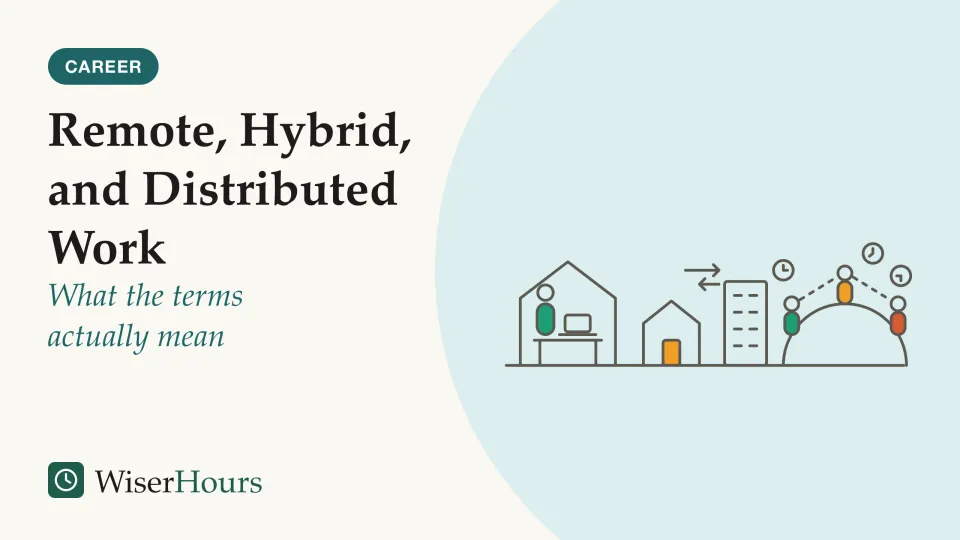
Remote vs hybrid work, defined. In the year to August 2026, 26% of US full-time employees were hybrid and 12% fully remote. Why surveys count differently.
Should you change careers? A 6-step way to decide, what a study of over 20,000 coin tosses found, and why no one officially counts career changes.
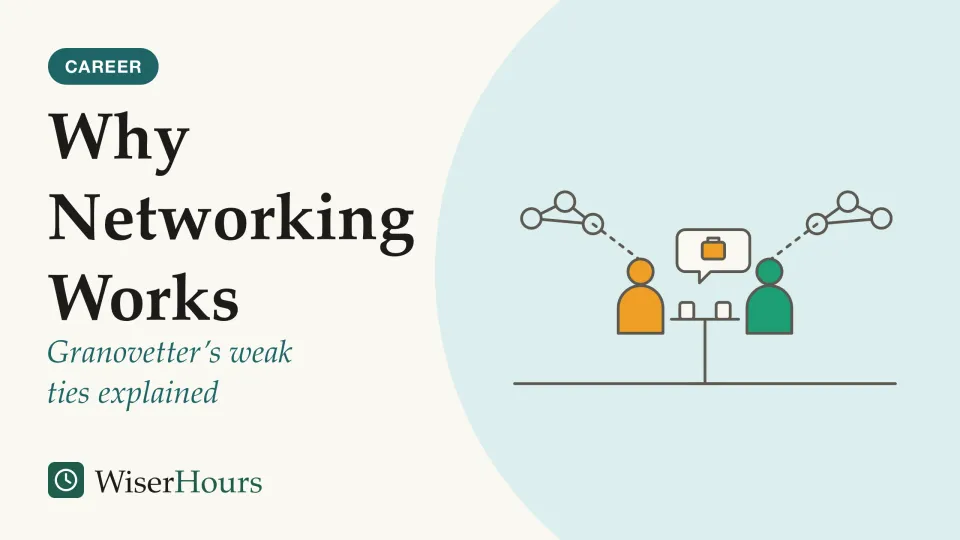
In Granovetter's job study, over 4 in 5 who found work via a contact saw that person only occasionally or rarely. Why weak ties work and when strong ties win.
Emotional intelligence names two ideas; in a 2010 meta-analysis, ability EI tests explained an extra 0.2% of job-performance variance beyond IQ and personality.
Public speaking for beginners: a 6-step plan and its evidence, from small repeated talks to the myth that people fear speaking more than death.
Communication skills explained: the core six, the two tests they are judged on, and why email senders in a 2005 study expected 78 percent accuracy but got 56.
How to start a job search in 7 steps, built on a 2014 meta-analysis of 47 job search programs, a LinkedIn experiment and US labor data.
What moves a career forward? A meta-analysis of 140 articles found pay, promotions and satisfaction have partly different predictors, so start by choosing one.