Energy, Nutrition & Exercise
Walking After Meals: What Research Shows About a Short Stroll
Walking after meals for 10 to 20 minutes eased the rise in blood sugar in small trials. What research shows on timing, pace, digestion and weight.
Walking after meals for 10 to 20 minutes eased the rise in blood sugar in small trials. What research shows on timing, pace, digestion and weight.
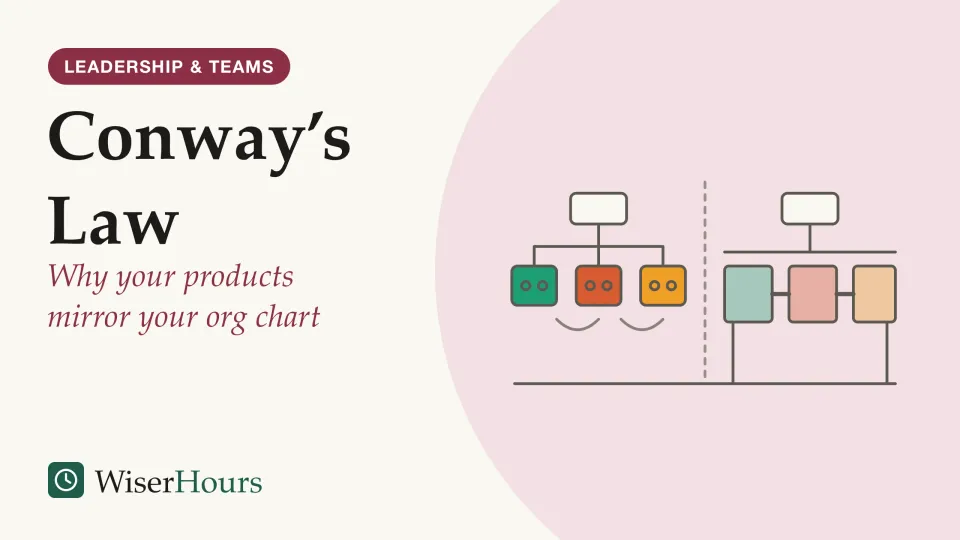
Conway's law: systems copy the communication structure of the teams that build them. The 1968 wording, what 4 studies found, and how to use it.
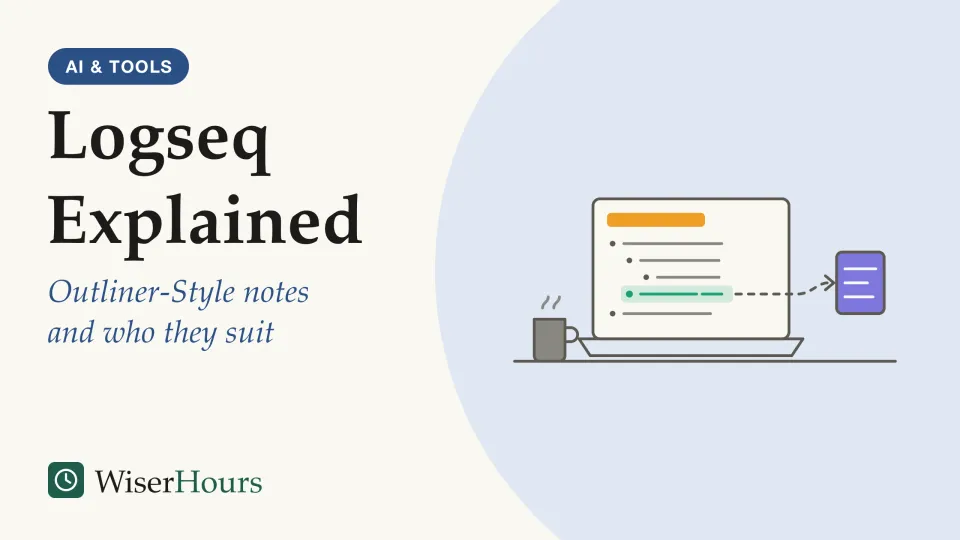
Logseq explained: an outliner where every note is a block, its 2 versions since 2026 (Markdown files or a database), privacy, price and who it suits.
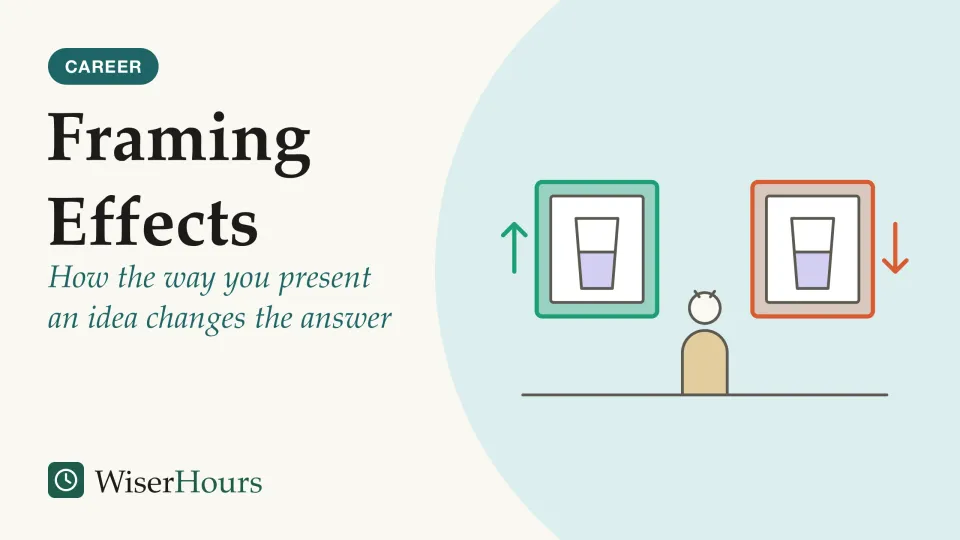
The framing effect explained: why the same facts get different answers, what a 36-sample retest found, and how to frame work proposals honestly.
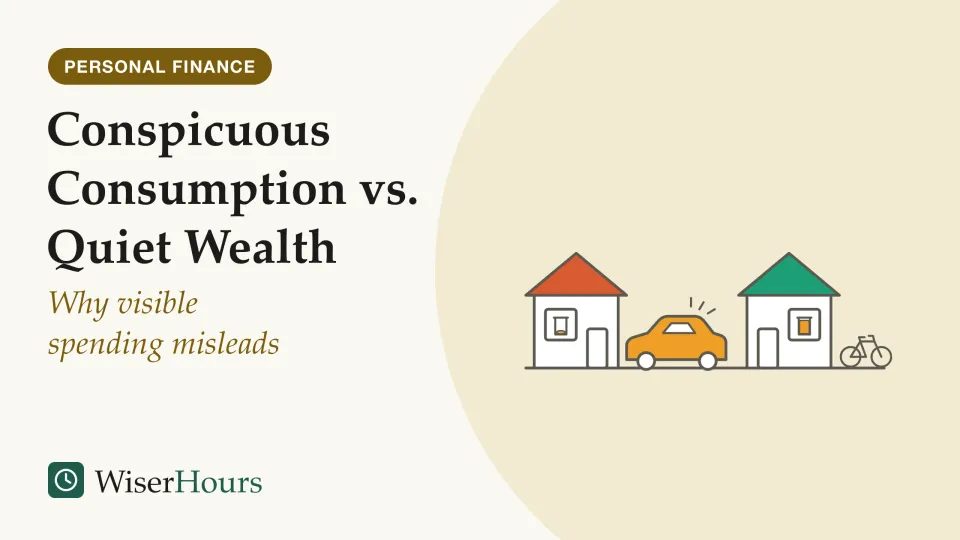
Conspicuous consumption, Veblen's 1899 term, is spending meant to be seen. Why visible spending is a poor guide to wealth, and how quiet wealth looks.
Efficiency vs effectiveness: one asks what work costs, the other whether it hits the goal. Drucker's line, 4 combinations and how to measure each.
Toxic positivity meets pain with forced cheer. A 40-country study links pressure to feel happy with worse well-being. Examples, and what to say instead.
Urge surfing in 5 steps: notice a craving, feel it in your body and let it pass. What the evidence shows, how long urges last, and when to get help.
Why do I wake up at 3am? Sleep runs in 80- to 100-minute cycles with brief wakings between them. The real causes, what to do, and when to see a doctor.
A scope of work in 8 sections: objective, counted deliverables, exclusions, assumptions, milestones, revision limits, acceptance and change rules.
Is gold a good investment? It pays no income, lost about three-quarters of its buying power after US inflation from 1980 to 2001, yet held up in some crashes.
Delayed gratification is easier to set up than to force. 4 evidence-based ways to wait for money, food, screens or goals, and when waiting is not worth it.
ADHD and burnout: what 4 kinds of evidence show about the cost of compensating, how it overlaps with depression, and steps that lighten the load.
A 10-minute focus meditation, minute by minute, with desk variations and an honest look at what research says it does for concentration.
Generational wealth is more than an inheritance: 6 ways families pass it on, why the richest fifth report about 50 times more, and why inheritances can fade.
Occupational health services advise on how work affects health and health affects work. WHO says only 15% of workers can use one. When to refer, who sees what.
MBCT is an 8-week group course built to stop depression coming back. What the sessions involve, what the trials found, and who it may not suit.
What is opportunity cost? The value of the best option you give up. A simple formula, time and money examples, and a 5-step check before you decide.
Buyer's remorse is regret after a purchase. Why it happens, when the UK and EU give you 14 days to cancel, and 5 steps to shop with fewer regrets.
Phubbing, snubbing someone for your phone, is linked to lower relationship satisfaction. What studies show, what they can't, and 6 agreements to try.
Physical symptoms of anxiety, from a racing heart to poor sleep: 9 common ones, why the body makes them, and the warning signs that need a doctor first.