Habits & Routines
How to Build a Reading Habit: 20 Pages a Day
How to build a reading habit: 20 pages a day takes about 20 to 25 minutes. Tie it to a fixed moment, keep the phone away, and read hard books on paper.

How to build a reading habit: 20 pages a day takes about 20 to 25 minutes. Tie it to a fixed moment, keep the phone away, and read hard books on paper.
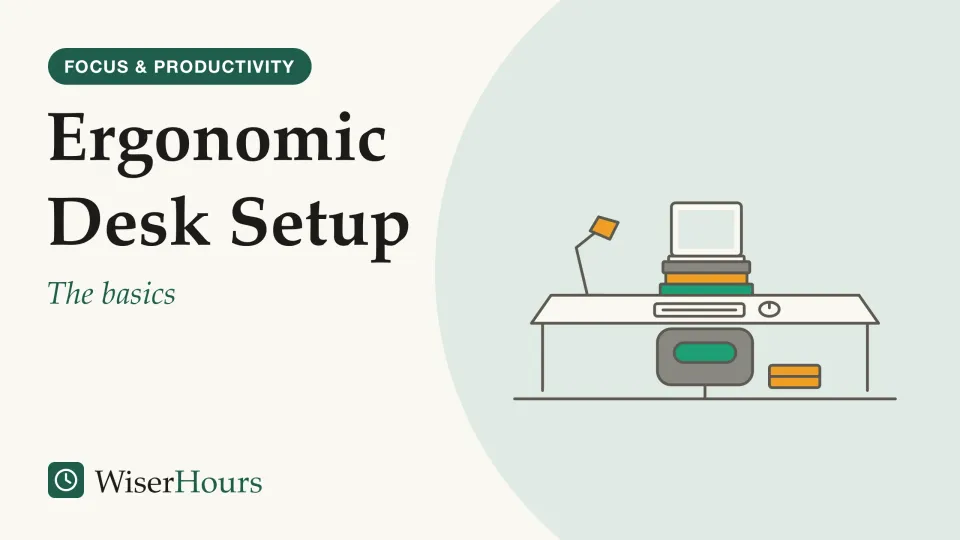
An ergonomic desk setup in 6 steps from US and UK safety guidance, and what trials show: the setup has not been proven to prevent pain.
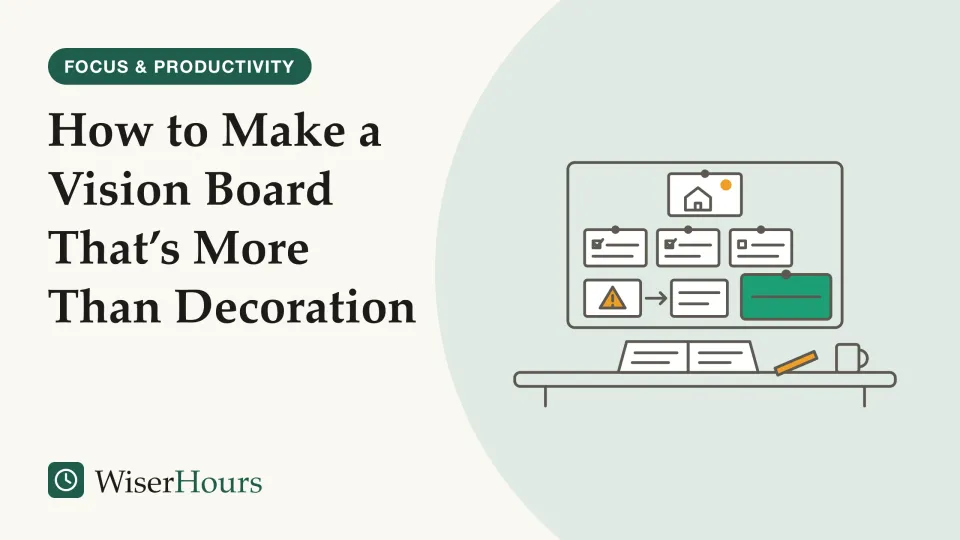
No trial has tested vision boards, but studies of the picturing behind them suggest showing the steps, not just the prize. Build a better board in 5 steps.
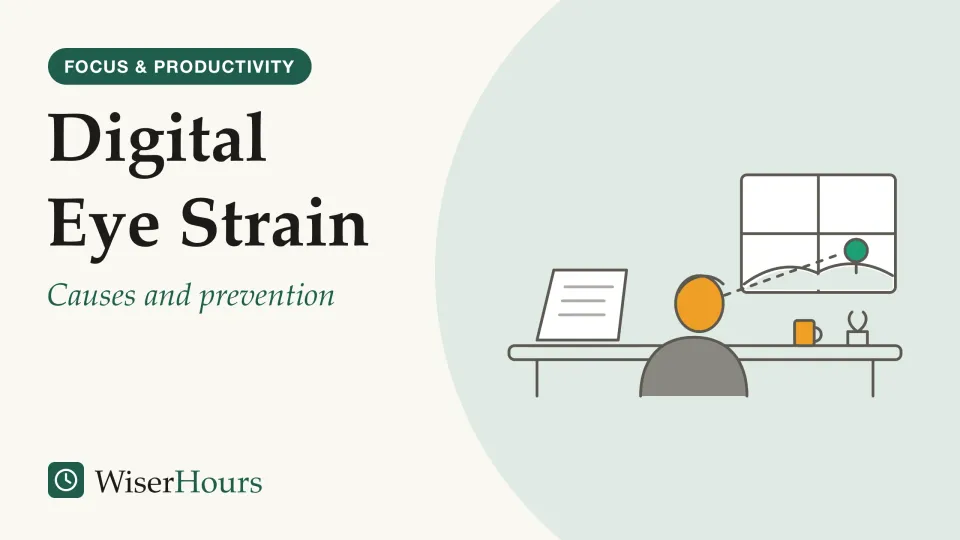
Digital eye strain is common and temporary: its causes, what trials found on the 20-20-20 rule, why blue-light glasses disappoint and which signs need a doctor.
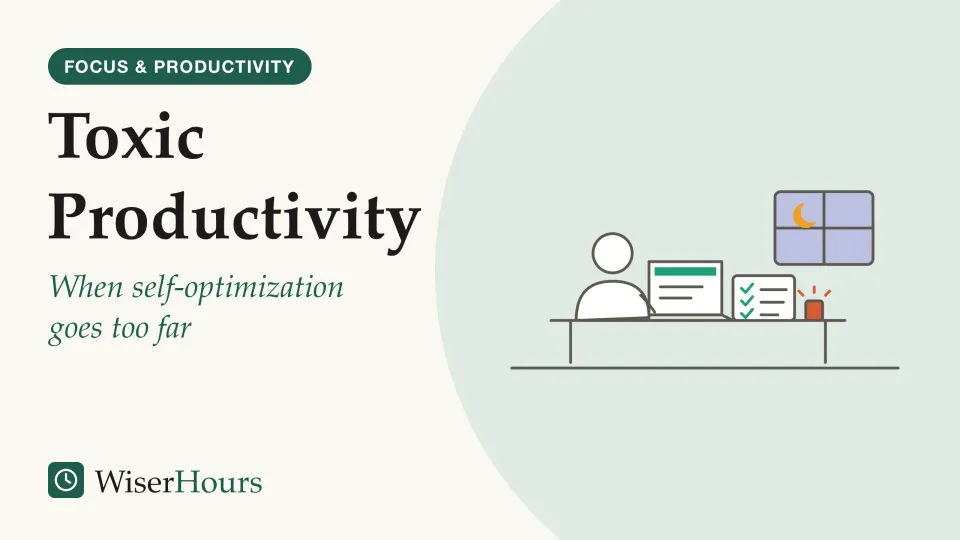
Toxic productivity has no clinical definition. What 4 lines of research show, from workaholism to busyness as a status symbol, and when to ease off.
Why checklists work: from a 1935 bomber crash to a 19-item surgical checklist, the evidence suggests real use matters more than having a list.
The claim that 80% of New Year's resolutions fail by February traces to no study. What follow-ups of real resolvers found, and what helps.
In 2021 experiments, 2 to 4 minutes of COVID-19 news on social media lowered positive mood. Why doomscrolling hooks you, and 5 habits that may help.
A habit tracker helps you repeat an action, yet use fades: in one French study, 16% still used a tracker after 320 days. What works, and which kind to pick.
How to get organized with ADHD in 5 steps that put reminders in the room, not your head, and what 2010 trials of skills therapy for adults found.
Revenge bedtime procrastination trades sleep for time of your own. The 3 reasons people give for staying up, and 6 low-risk habits to reclaim the night.
How to say no at work in 6 steps, and why research finds a refusal strains the relationship less than the person saying no tends to expect.
The 8-second goldfish attention span was never measured. Decades of concentration tests show no decline in adults; what changed is how we use screens.
How to organize computer files in 6 steps, based on studies of how people really find their files: shallow folders, one per project, and an archive.
WHO sets no daily screen limit for adults, and Canada's 3-hour leisure cap (2020) is about sitting. What research says matters more than the hours.
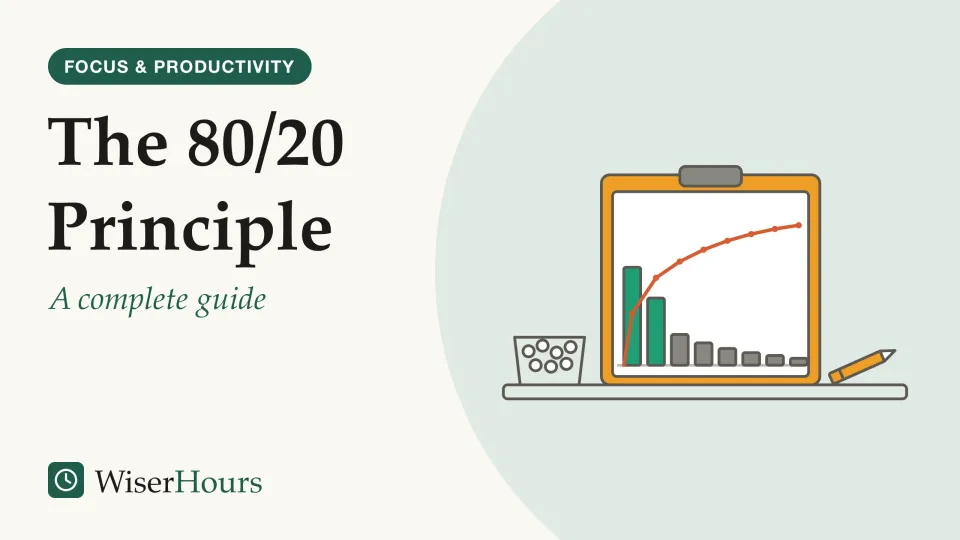
The 80/20 rule tested against real data on software bugs, grocery sales and health spending: where the pattern holds, where the ratio breaks, how to use it.
SMART goals explained letter by letter, with 20 examples, where the 1981 acronym came from, and why goal research says aim higher than realistic.
How to build a morning routine you'll keep: 5 steps from habit research, and why the kind of cue you pick matters less than meeting it every day.
How to stop procrastinating on studying: 5 steps that add the structure a course leaves out, and why one round of advice failed in a 2024 trial.
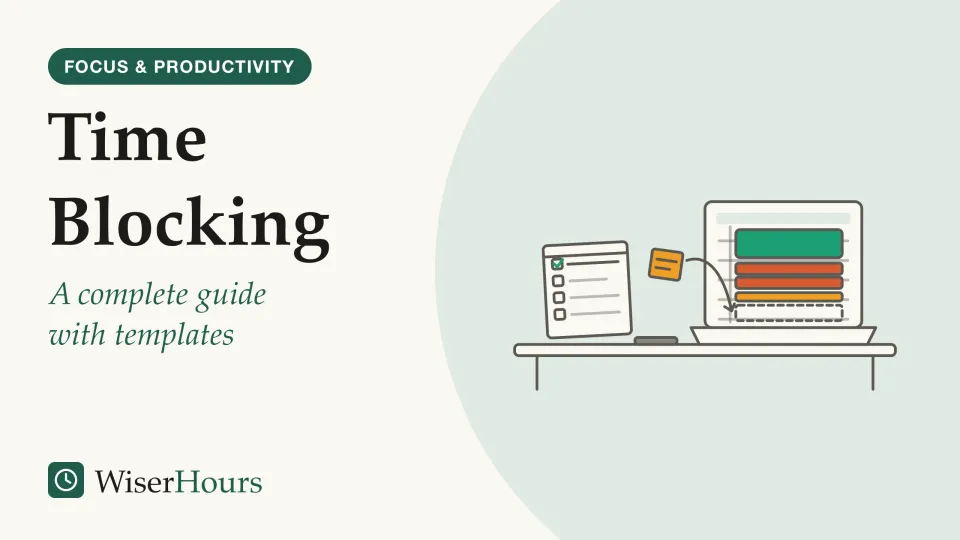
Time blocking gives each task its own slot on your calendar. What a 2018 study of planned workdays found, plus 6 steps and 3 day templates.
Does music help you focus? On dull tasks it can, but lyrics disrupt reading about as much as speech, a 2018 review of 65 studies found.
15 ways to reduce screen time, graded by the trials behind them: firm app limits, fewer alerts, grayscale, phone placement and what tends to fade.
Deep work for beginners in 5 steps: one protected hour a day, a task chosen the night before, an if-then start, alerts off and a closing note on your next move.
Personal OKRs in 5 steps, each checked against goal research. A 2024 review mapped 47 OKR studies, mostly in companies; none we found tested personal use.
How to build a new habit in 6 steps from habit trials: one wanted action, a daily cue, a small start, a written record, loose timing and a restart plan.
How to let go of sentimental items in 4 steps: photograph the memory, box the hard cases, choose who gets each, keep a few in view.
No study shows a dopamine detox lowers or resets dopamine, but its core idea, fewer cues and harder access, has some support. 5 claims checked.
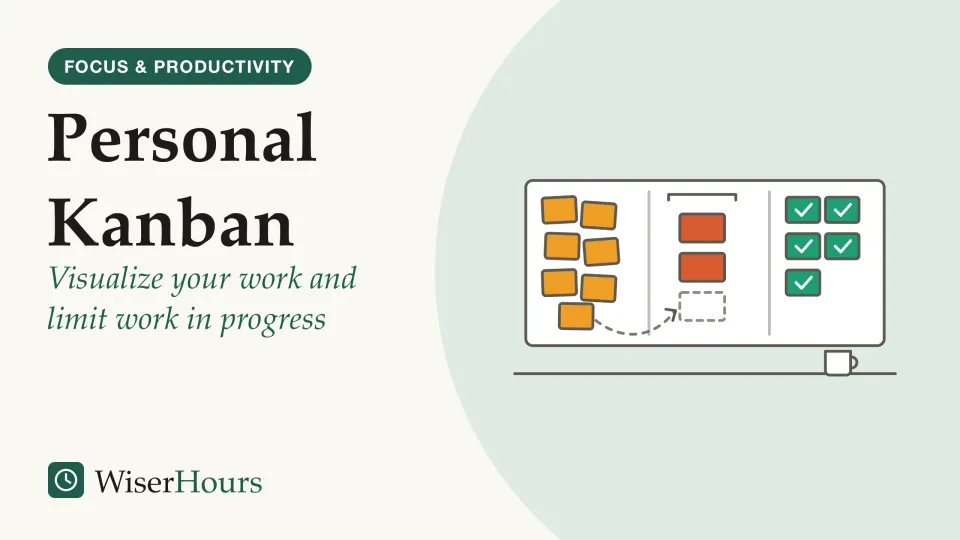
Personal kanban's 2 rules, show your work and cap what is in progress, explained with the research on why fewer open tasks finish sooner.
How to create a five-year plan in 5 steps that expect you to change: set a direction, test it against several futures and detail only the first year.
How to build an exercise habit: the WHO target is 150 minutes a week, but start far below it, make starting automatic and plan how you come back after a miss.
Rewards get people moving; interest and personal value keep them going. What 4 decades of research on intrinsic vs extrinsic motivation found.
Four-day work week trials, from 61 UK firms to Iceland's public sector, found staff felt better. What they measured, what they missed, and why.
15 ways to stop procrastinating, each matched to the cause of delay it targets and graded by its evidence, from if-then plans to self-set deadlines.
An interruption costs you 3 ways: a slower restart, more slips and drift. What happens in your brain, and what research says cuts the cost.
How to focus: 6 steps ranked by evidence, from if-then plans (642 experimental tests) to batched alerts, plus signs poor focus needs a doctor.
How to declutter your home in 6 steps: set up exits, start where choices are easy, leave keepsakes for last, and get rid of batteries and medicines safely.
A 2005 study of 115 transferring students found habits survived a move only when their setting did. How to break a bad habit: change the cue, plan a swap.
A flow state is complete absorption in what you are doing. What the research since 1975 actually shows, and the 3 conditions you can set up.
Getting Things Done for beginners: GTD's 5 steps, a minimal setup and a first-week plan, with each step labelled by what backs it, research or David Allen.
How to prioritize tasks when everything feels urgent: why a heavy load pulls you to easy wins, and a 6-step triage by cost of delay and payoff per hour.
How to get organized in 4 steps: list what's in your head, plan the tasks that nag, clear one small area, then hold a weekly reset. Why that order works.
Digital minimalism explained: Cal Newport's idea, what randomized trials found about cutting back on social media, and a 5-step plan to start.
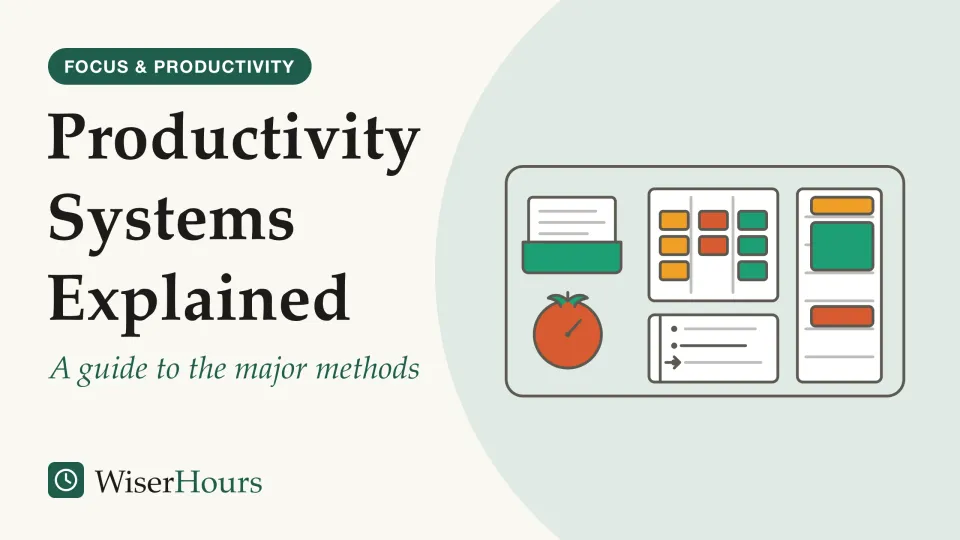
7 productivity systems compared, from GTD and Pomodoro to the bullet journal: what each asks of you and what research says about its core idea.
How to set goals in 5 steps. In a 2017 meta-analysis of 384 randomized tests, difficult goals had larger effects than easy or moderate ones.
How habits work: repetition links a setting to an action until the setting starts it. Why the reward matters less than the loop says, and what 66 days means.
Why do we procrastinate? A 2007 meta-analysis of 691 correlations points to unpleasant tasks, distant rewards, self-doubt and impulsiveness.
Time management for beginners: 5 habits roughly ranked by evidence, what a 158-study meta-analysis found, and the popular advice you can skip at first.
Switching tasks leaves part of your mind behind. What research since 2009 shows about attention residue, and a 3-line plan that reduces it.